CAGAYAN de Oro City, like many urban areas in the Philippines, is striving to modernize its infrastructure to accommodate the growing number of cyclists. With the rise of biking as a sustainable and healthy mode of transportation, the city’s effort to install bike lanes is a commendable step toward reducing traffic congestion and minimizing carbon emissions. However, as the lanes have rolled out across the city, there are glaring issues that need to be addressed to ensure their effectiveness, safety, and exclusivity.
The city’s attempt to integrate bike lanes into its existing road network is a promising start. It aligns with the global movement towards greener, more sustainable cities, where cycling can serve as a viable alternative to motorized transport. In a place like Cagayan de Oro, where traffic congestion can be a persistent problem, bike lanes can offer a reprieve for commuters looking to avoid the usual gridlock while staying healthy.
With a tropical climate and relatively flat topography, Cagayan de Oro is well-suited for cycling, particularly in the downtown and urban areas. The bike lanes could encourage more people to take up biking, easing the strain on public transport systems and reducing air pollution. On paper, this initiative should have been a win for everyone.
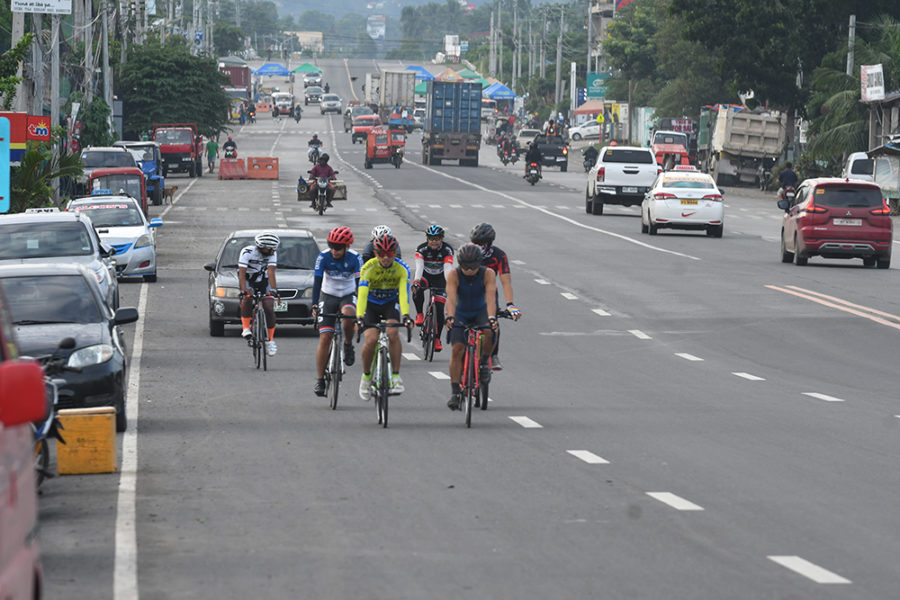
Unfortunately, the reality on the ground tells a different story. The city’s bike lanes are plagued by design flaws that undermine their purpose and put cyclists at risk. One of the most glaring issues is the inconsistent lane markings. In some areas, bike lanes suddenly disappear or are too narrow to safely accommodate cyclists, especially when they share space with fast-moving vehicles. This inconsistent design leaves cyclists vulnerable, particularly on busy streets where cars and motorcycles often encroach on their designated spaces.
Many of the lanes are poorly maintained, with potholes, debris, and obstructions like parked cars frequently found along the path. This not only discourages potential cyclists but also creates dangerous conditions for those brave enough to use the lanes regularly. Without a clear demarcation or physical barriers to protect cyclists, the lanes often feel like an afterthought rather than a well-planned part of the city’s infrastructure.
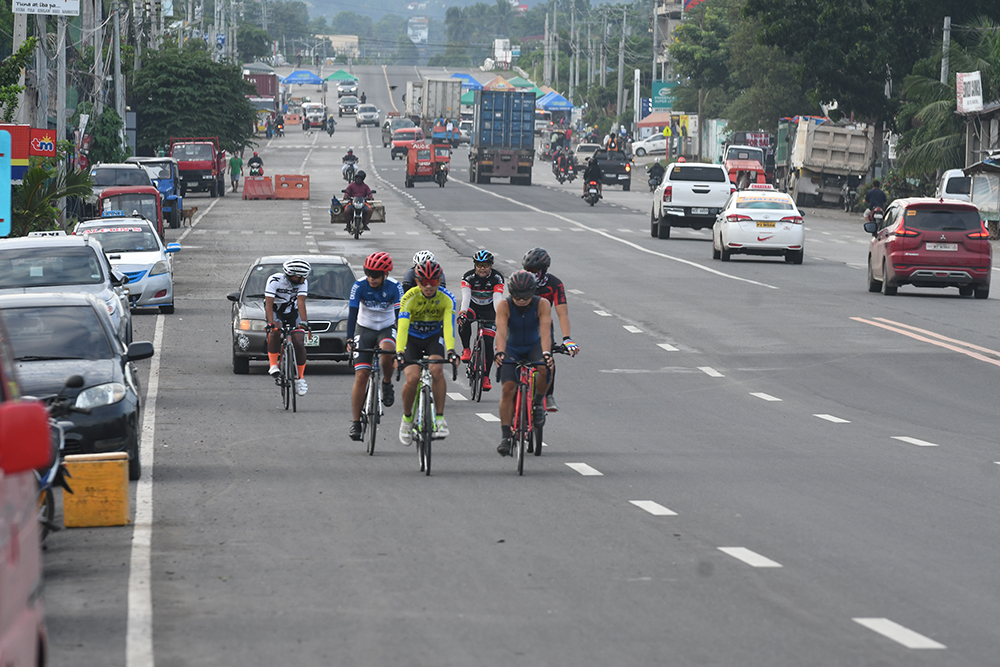
Perhaps one of the biggest challenges facing Cagayan de Oro’s bike lane system is the lack of enforcement and public awareness. While the lanes are meant to be exclusive for cyclists, they are frequently occupied by parked cars, street vendors, and even pedestrians. The absence of strict regulation and penalties for those who misuse the bike lanes defeats their purpose and puts cyclists at risk.
Additionally, the general public’s awareness of bike lane etiquette is lacking. Many drivers are not accustomed to sharing the road with cyclists, leading to dangerous situations where bikers are forced to swerve or stop abruptly to avoid collisions. Without proper education and awareness campaigns, both motorists and cyclists remain at odds on the road.
For the bike lanes in Cagayan de Oro to become a meaningful part of the city’s transport system, several improvements must be made. First, the city government needs to invest in proper infrastructure. The bike lanes should be well-designed, clearly marked, and consistent throughout the city, with protective barriers to separate cyclists from vehicular traffic.
Second, regular maintenance is crucial. Potholes, obstructions, and debris must be promptly cleared to ensure safe passage for cyclists. A well-maintained bike lane system will encourage more people to use it and give credibility to the city's commitment to sustainable transport.
Finally, enforcement is key. The city must implement stricter rules against encroachments in the bike lanes and conduct public awareness campaigns to educate motorists and cyclists on road-sharing etiquette. Without these, the lanes will remain underutilized and hazardous.
Cagayan de Oro City’s bike lane initiative is a step in the right direction but falls short in execution. While the city’s leaders should be lauded for their effort, there is still much work to be done to make the bike lanes functional, safe, and truly beneficial to its citizens. The project has the potential to significantly improve urban mobility and public health, but without proper planning, enforcement, and maintenance, it risks becoming yet another missed opportunity in the quest for a sustainable and livable city.
If Cagayan de Oro is serious about promoting biking as a means of transportation, then it needs to prioritize cyclist safety and invest in creating a bike lane network that is both effective and respected by all road users.