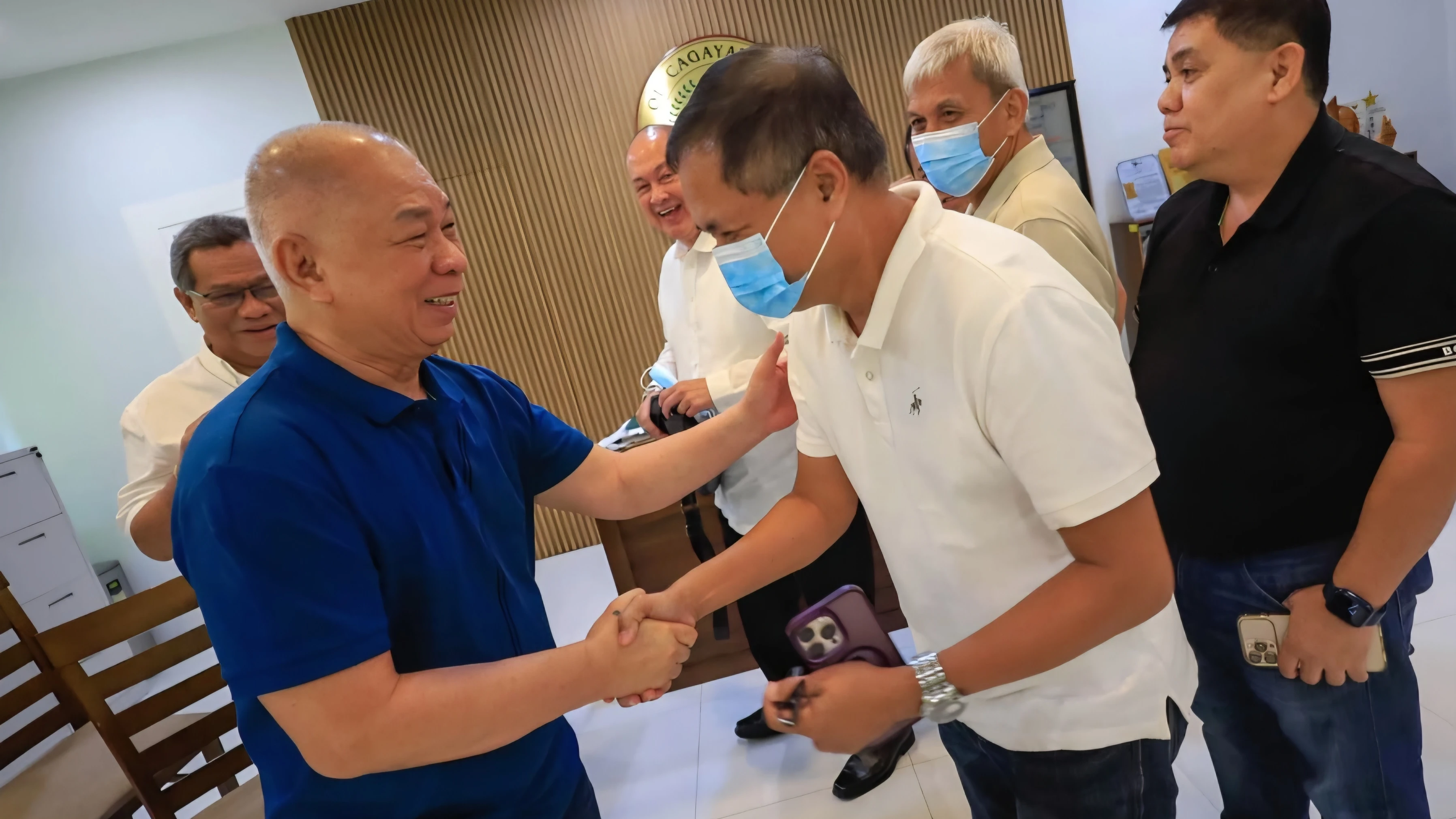
CAGAYAN DE ORO CITY — Mayor Rolando "Klarex" Uy appealed to commuters, motorists, and transport operators to remain patient and cooperate as CDO launches 1-month traffic dry run to ease congestion, emphasizing that the trial period is intended to improve—not burden—public transportation. The mayor made the appeal after meeting with officials of the Roads and Traffic Administration (RTA) to assess the initial implementation of the city's traffic code.
The mayor made the appeal after meeting with officials of the Roads and Traffic Administration (RTA) to assess the initial operational impact as the CDO route shake-up: Traffic dry run begins, particularly regarding the rerouting of provincial public utility vehicles (PUVs) serving eastern and western Misamis Oriental. Uy said the one-month dry run will allow the city government to identify operational issues and determine what adjustments are needed before fully enforcing Section 120 of City Ordinance No. 10551-2007.
Uy said the one-month dry run will allow the city government to identify operational issues and determine what adjustments are needed before fully enforcing Section 120 of City Ordinance No. 10551-2007.
"We ask for the public's understanding and cooperation during this one-month dry run," said Uy adding that this period will help us identify areas that need improvement, especially since there is already a recommendation to amend the ordinance, which was approved more than 18 years ago," the mayor said.
He acknowledged that the revised routing has changed the usual travel pattern for some passengers, particularly those who now need to transfer to another vehicle before reaching the city proper.
However, Uy stressed that the changes are intended to ease traffic congestion rather than make commuting more difficult.
The city government said it is gathering public feedback and operational data throughout the dry run to guide possible revisions to the ordinance before any permanent implementation.
Some commuters have raised concerns over additional transfers and transport costs, but others say the smoother traffic flow has made daily travel less stressful.
In a Facebook post, commuter Evy Bru, who said she has been commuting between Opol and Cagayan de Oro since 2012, shared that although she now takes three rides instead of fewer, she considers the new system an improvement because it significantly reduced her travel time.
Bru said she now spends slightly more on fares but reaches home earlier, avoids the heavy traffic that previously stretched from Bulua to Kauswagan and toward downtown during rush hour, and no longer feels exhausted after work because she spends less time stuck in traffic and waiting in terminals.
She added that, for the first time in years of commuting, she is able to arrive home earlier without the stress and fatigue she previously experienced from long queues and heavy bottlenecking. "The goal is not to inconvenience the public but to find a more effective way to decongest our roads and improve traffic flow throughout the city, especially as CDO steps up road clearing to cut traffic gridlock alongside the revised routing policies," Uy said.
"The goal is not to inconvenience the public but to find a more effective way to decongest our roads and improve traffic flow throughout the city," Uy said.
The mayor thanked residents for their patience and encouraged commuters to continue sharing their concerns and suggestions, saying public feedback will help the city refine the traffic management plan.
"Through our cooperation, we can further improve public service and provide a smoother and safer journey for everyone," he said. (Ben Balce, Editorial Lead)