ROBBIE Pamisa, a volunteer at a local AIDS support group, didn’t think a political decision made a thousand miles away in Washington, D.C., could affect him and thousands of people living with HIV in the country.
In July, U.S. President Donald Trump’s administration disbanded the U.S. Agency for International Development (Usaid) citing wasteful spending.
The decision cut millions of dollars in funding for HIV prevention, treatment, and care programs worldwide, including in the Philippines.
Pamisa, who is HIV-negative, said the decision to cut support for Philippine AIDS programs has impacted his organization, Kagay-an Plus. The group helps monitor the health of people living with HIV in Cagayan de Oro.
Pamisa said the group had to close its office, scrimp on operational expenses, stop some of its prevention programs, and look for alternative funding.
“We are worried for those who want to seek treatment at the hospitals. Many are poor and spurned by their families because of the stigma. Where will they get transportation money,” Pamisa rhetorically asked.
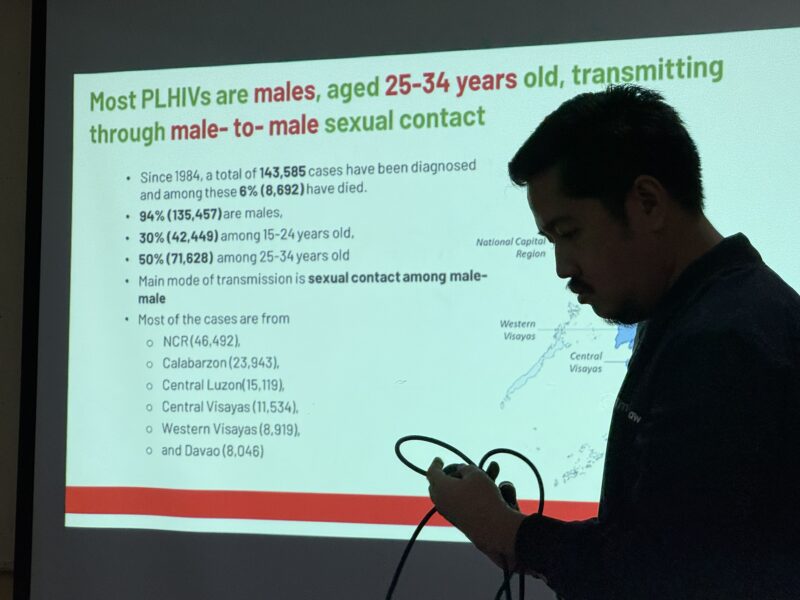
June Erika Obsioma of the Department of Health in Northern Mindanao said 4,007 people living with HIV have been recorded in the region since 1991, with 1,527 residing in Cagayan de Oro.
Obsioma said 178 new HIV cases were recorded from January to March in Region 10 this year, making Northern Mindanao, especially Cagayan de Oro, a “hot spot” for AIDS infections in the country.
The Department of Health estimates that 252,800 Filipinos were living with HIV in the Philippines in 2025.
The Department of Health provides free antiretroviral therapy, a combination of HIV medicines taken daily, monthly, or every other month, to all HIV-positive individuals. This treatment is available in hospitals nationwide.
Through programs like the U.S. President's Emergency Plan for AIDS Relief, or PEPFAR, Usaid had contributed $34.7 million to support the Philippines’ response to HIV/AIDS, which has one of the fastest infection rates in Asia.
Dr. Stella Flores, coordinator for Pilipinas Shell Foundation Inc. Protects, said the money from Usaid is funneled to the Global Fund to fight HIV, tuberculosis, and malaria. The fund, in turn, uses the money to support AIDS programs in the Philippines.
Flores estimated that Usaid funds for AIDS programs amounted to 30% of the money spent to prevent, monitor, and treat all Filipinos living with HIV.
Flores said the impact of the funding withdrawal would be felt in prevention programs and the daily needs of those in treatment.
“A 30% reduction in funds is like being hit by a tsunami. That is the reason all support groups are scrambling to find alternative sources of funds,” Flores said.