THE United States government is currently reviewing its travel advisory for the Philippines following a strong condemnation from Cagayan de Oro 2nd District Rep. Rufus Rodriguez, who expressed concern over warnings advising Americans against visiting certain areas of the country.
The Philippine embassy in Washington, D.C., has assured that they are actively working to address the issues raised and to clarify the security situation in the Philippines, according to Rodriguez.
Rodriguez spoke with Ambassador Jose Manuel Romualdez today, emphasizing the need for the U.S. to reassess its travel warnings.
The ambassador assured the lawmaker that the embassy has already communicated the Philippines’ concerns to the U.S. State Department and is collaborating closely with local law enforcement agencies to provide accurate, up-to-date reports on the security situation.
In his statement Thursday, Rodriguez expressed satisfaction with the ambassador’s assurances and indicated that he would continue to push for greater clarity.
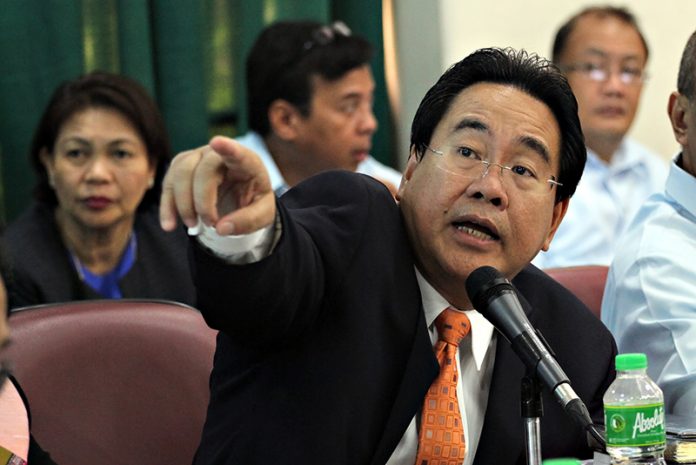
He also announced plans to communicate directly with the U.S. embassy in Manila to further relay the Philippines’ position and concerns regarding the advisory.
The travel advisory, issued by the U.S. State Department on May 8, places the country under “Level 2: Exercise Increased Caution.”
It warns travelers to avoid specific high-risk areas such as the Sulu Archipelago, Marawi City, and other parts of Mindanao due to threats of crime, terrorism, civil unrest, and kidnapping.
The advisory also recommends that U.S. government employees seek special authorization before traveling to certain regions.
While the entire Philippines is classified under Level 2, some parts of Mindanao are under higher alert levels. Davao City, Davao del Norte, Siargao Island, and Dinagat Islands are under Level 3, which advises travelers to reconsider their trips.
Marawi City and Sulu, including the Sulu Sea, are under Level 4, which advises against travel altogether due to ongoing security threats.
The advisory highlights that terrorists and armed groups have carried out kidnappings, bombings, and attacks targeting public areas such as markets, tourist sites, and government facilities.
It also notes that violent crimes like robberies and kidnappings are common in the country, and protests sometimes turn violent or cause traffic disruptions.
In response to the advisory, Philippine officials have called for a review of the warning, arguing that it does not accurately reflect the current security situation in the country.
Rep. Rodriguez has urged the Department of Foreign Affairs to summon U.S. Ambassador MaryKay Carlson to clarify the basis of the travel advisory and to ensure that U.S. citizens are not unduly discouraged from visiting the Philippines.
As the U.S. government continues to reevaluate its warnings, the Philippine government remains committed to working with international partners to maintain peace and security, Rodriguez said.
He emphasized that efforts are ongoing to provide accurate information and reassure travelers that many parts of the country remain safe for tourism and travel.