By BEN BALCE, Associate Editor,
and MARY ANGELICA AMERKHAN,
Correspondent
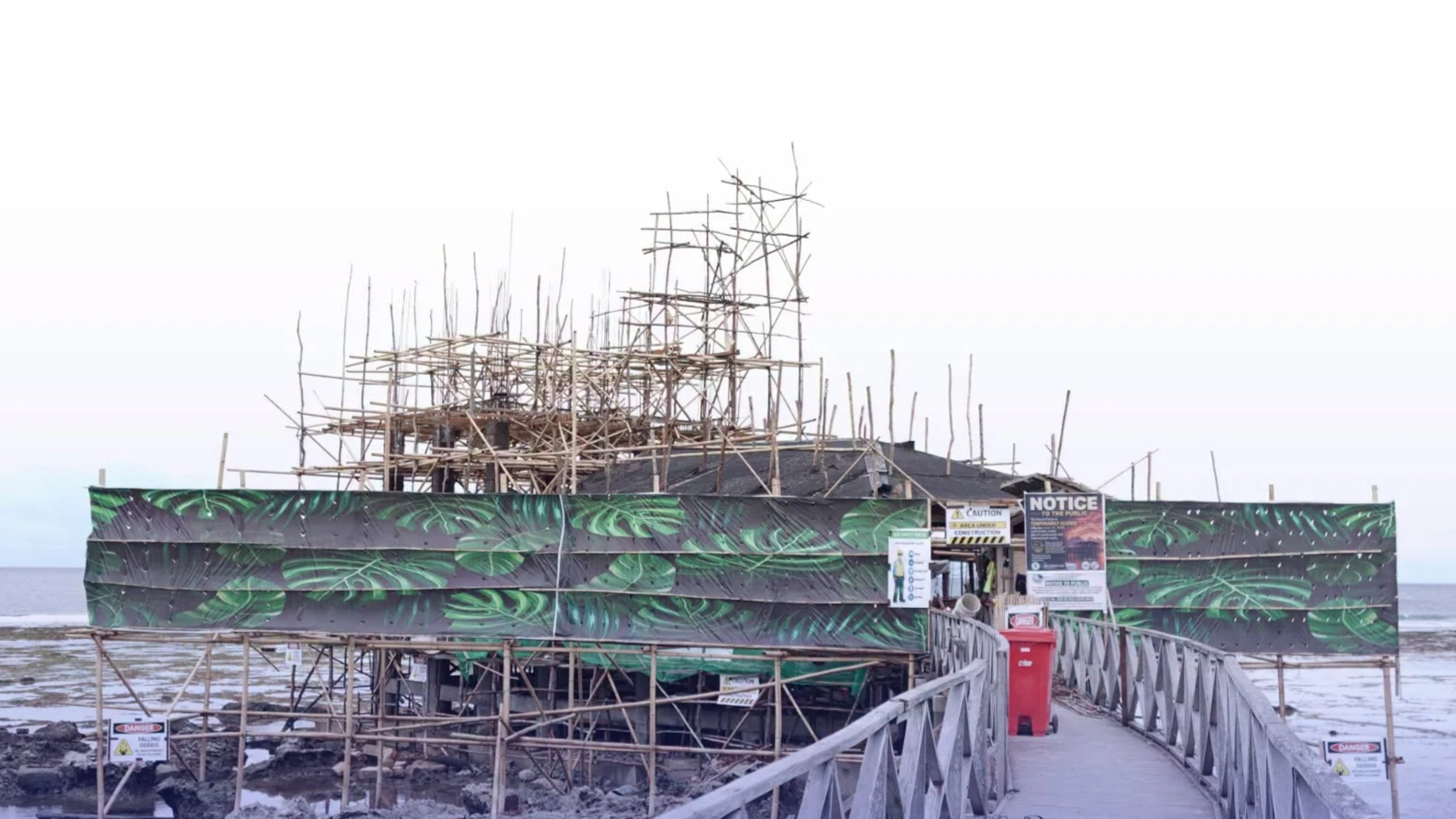
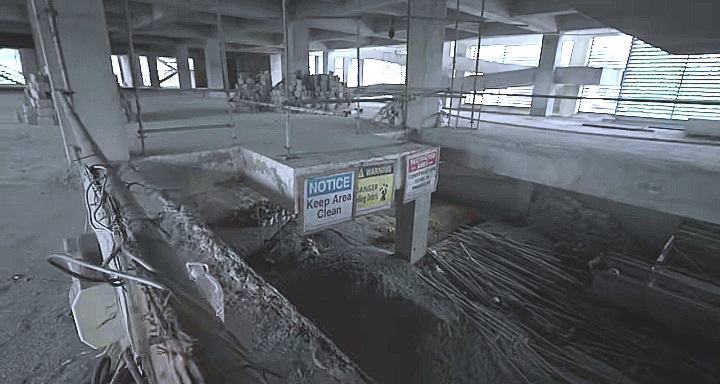
THE unfinished Puerto Market Rehabilitation Project, initiated by former mayor Oscar Moreno, has significant deficiencies that raise serious concerns about the city’s infrastructure management.
Acting City Engineer Joel Momongan highlighted key issues, including the absence of a building permit, non-compliance with fire safety standards, hazardous plumbing and electrical systems, and the lack of a sewage treatment plant, all contributing to poor waste management.
Momongan said that projected costs for the Puerto Market project are P88 million for Phase 1 and P108 million for Phase 3, but the current state poses risks to both vendors and shoppers.
“The project is one of 126 unfinished infrastructure initiatives, valued at P1.1 billion, that Moreno left behind when he departed from office,” he added.
Under Mayor Rolando ‘Klarex’ Uy, the city has made strides in addressing these challenges, completing 63 projects worth over P446 million since he took office on June 30, 2022.
In a media tour last Friday, Momongan emphasized the new administration’s commitment to the “principle of continuity” in public service, ensuring that issues created by previous administrations are not passed on to future leaders.
However, earlier, Moreno contended that the stalled Puerto Market project represents a considerable injustice under the current administration.
He described the situation as a huge disruption for the people of Puerto.
Meanwhile, in an audit report from the Commission on Audit (COA) corroborated claims made by Momongan and City Council majority floor leader Councilor Edgar Cabanlas, highlighting the overwhelming number of incomplete projects from Moreno’s tenure.
Notable unfinished projects include the City Library, where Phase 2 was completed before Phase 1, and the Tablon Hospital, which lacks planned road access.
Since taking office, Mayor Uy has prioritized settling outstanding debts, having paid more than P800 million to address the city’s financial obligations.
However, these payments have strained the city’s budget, limiting funding for new projects. The city’s total debt has soared to over P3.7 billion, accounting for 57% of Cagayan de Oro’s 2022 budget of P6.5 billion.
The Local Financial Committee noted that some debts date back to 2016, complicating the financial landscape.
The breakdown of payments made under Uy’s administration includes P143.6 million paid in 2022 for debts from 2016-2022, P552.9 million paid in 2023 for debts from 2018-2022, and P65.2 million scheduled for payment in 2024.
Additionally, infrastructure payments have totaled P824.4 million since 2022.
In light of these financial challenges, Momongan clarified that Mayor Uy has committed to completing the remaining unfinished projects, though budget constraints have led to the postponement of several planned initiatives.
Upon Moreno’s exit, Momongan noted that the city had P103 million in available funds, a stark contrast to the P1 billion available at the beginning of his term.
Mayor Uy reiterated his dedication to finishing the remaining projects while ensuring financial stability for the city, particularly with the 2025 elections on the horizon.
“The Uy administration is focused on accountability and transparency, aiming to restore public trust in local governance as it navigates the aftermath of Moreno’s administration,” Momongan said.