“MANGANDAM dala pag ampo and cooperate with the government.”
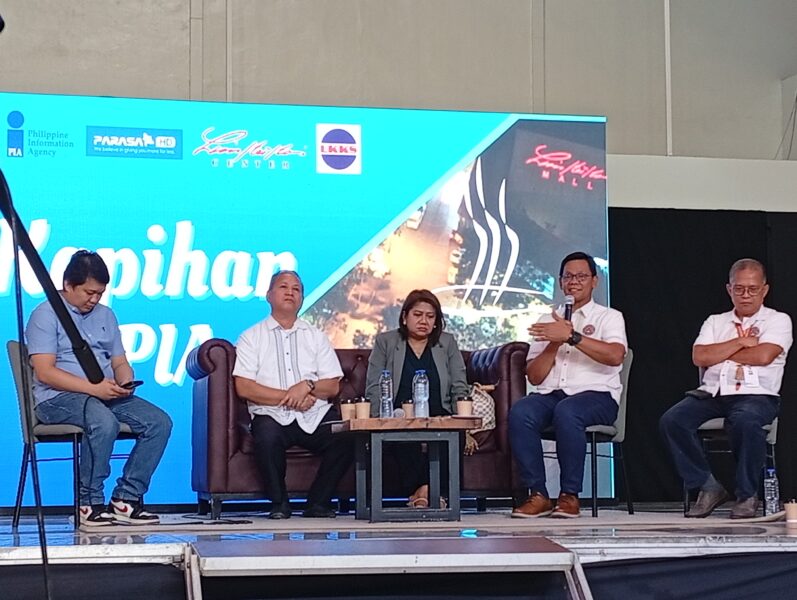
This was the brief advice of Office of Civil Defense (OCD-10) Regional Director Antonio Sugarol during the Kapihan sa PIA forum hosted by the Philippine Information Agency on Tuesday, July 8.
In line with this month’s observance of National Disaster Resilience Month, Sugarol was asked how to address the public’s perceived lack of preparedness during disasters despite the agency’s continuous efforts.
Sugarol emphasized that their office fulfills its mandate on disaster preparedness.
However, he noted that no country or municipality is exempt from the impact of disasters and calamities, especially due to climate change. He pointed out that hazards have no endpoint.
“Hazard is a continuing battle for all,” he said, adding that there must be strong cooperation between local and national government levels.
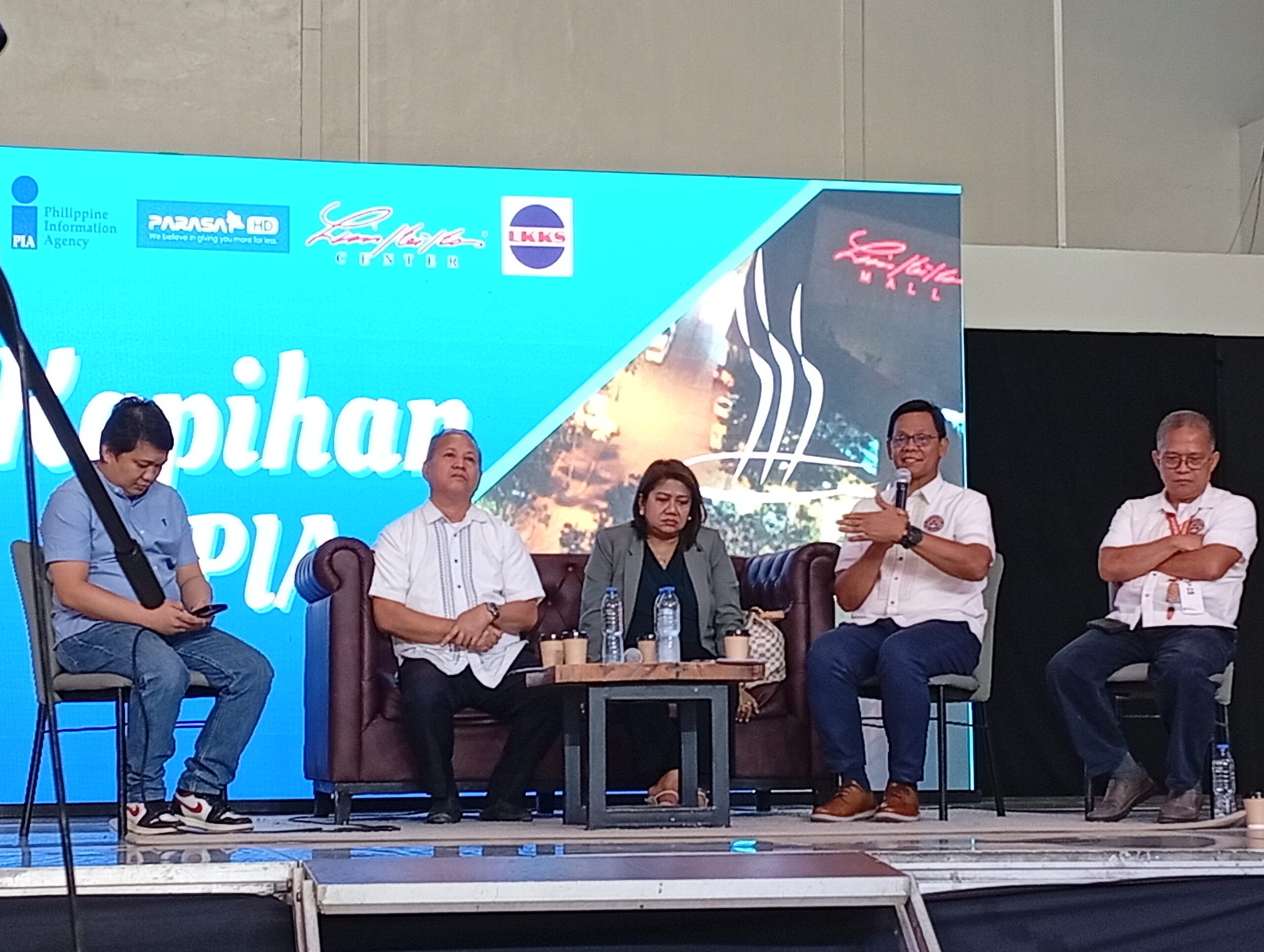
“Gikan sa atong pamilya makipaglambigit kita sa tanang klaseng pamaagi aron makab-ot nato ang resillience,” Sugarol said, urging families to start resilience at home — even by choosing not to build houses in low-lying areas.
He reiterated the importance of working closely with government agencies while staying rooted in faith.
“We just have to prevent kauban sa atong mga pag ampo nga makipaglambigit sa atong mga ahensya,” Sugarol said.
As the country celebrates National Disaster Resilience Month, the OCD-10 reminded citizens that following government guidelines can help minimize damage during calamities.
OCD-10 Assistant Regional Director Gilbert Conde added that under their Gawad Kalasag evaluation, one criterion is whether local government units have established guidelines to help constituents avoid hazards.
“Di nato mapugngan ang disaster, di nato mapugngan ang hazard, but we can always mitigate ang hazard,” Conde said.
Hazel Occeña, chief of the Department of the Interior and Local Government’s Capability Development Division, also emphasized the need for public awareness about different types of hazards.
“Importante nga musunod sila sa pahimangno sa mga local leaders nila,” Occeña said.