The National Food Authority (NFA) has announced new buying prices for palay, increasing support for local farmers.
The NFA will purchase clean and dry palay at P24 per kilogram and fresh and wet palay at P18 per kilogram.
This decision comes as the Department of Agriculture (DA) reports a decline in rice imports during the ongoing local harvest in the Philippines.
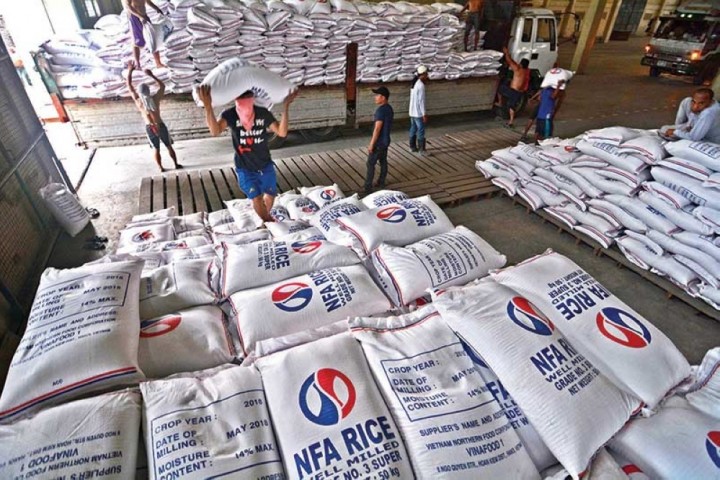
As of March 13, only 640,915 metric tons (MT) of imported rice have arrived this year, a significant drop from 1.19 million MT during the same time last year.
The DA noted that of the 1,428 approved sanitary and phytosanitary import clearances (SPSIC), only 933 have been used, indicating a market adjustment as local production increases.
DA spokesperson Assistant Secretary Arnel de Mesa explained, “This means that the imports last year were quite large, and with expectations for a good harvest this year, we see a natural reduction in imports.”
He added that the decrease is a positive sign for local farmers, reflecting a growing reliance on domestically produced rice.
The country imported over 4.8 million MT of rice by December 31, 2024, highlighting previous import-heavy trends.
De Mesa also pointed out that the Philippines' rice import needs are becoming more predictable, a trend noted by international economists.
This prediction is based on the latest import data.
Samarendu Mohanty, a recognized agricultural economist, praised the Philippines for its “aggressive” market reforms.
These reforms have played a crucial role in lowering global rice prices.
Mohanty highlighted key factors, such as India lifting its ban on non-Basmati white rice and the Philippines implementing a maximum retail price for imported rice.
These actions have contributed to a more stable rice market.
With the new NFA buying prices, farmers are encouraged to bring their harvest to market. This support aims to ensure that local production meets the demands of consumers.
As the local harvest continues, the NFA is committed to providing fair prices that support farmers and strengthen the agricultural sector.
This initiative is part of a broader strategy to reduce reliance on imports and boost local rice production.