PRIVATE sector workers in Northern Mindanao will see an increase in their daily pay starting tomorrow, Jan. 16, as the first tranche of the regional wage hike takes effect.
The Department of Labor and Employment (Dole) Region 10 announced that the P25 adjustment is mandated by Wage Order No. RX-24. Issued by the Regional Tripartite Wages and Productivity Board (RTWPB), the order follows a periodic assessment required by the Wage Rationalization Act.
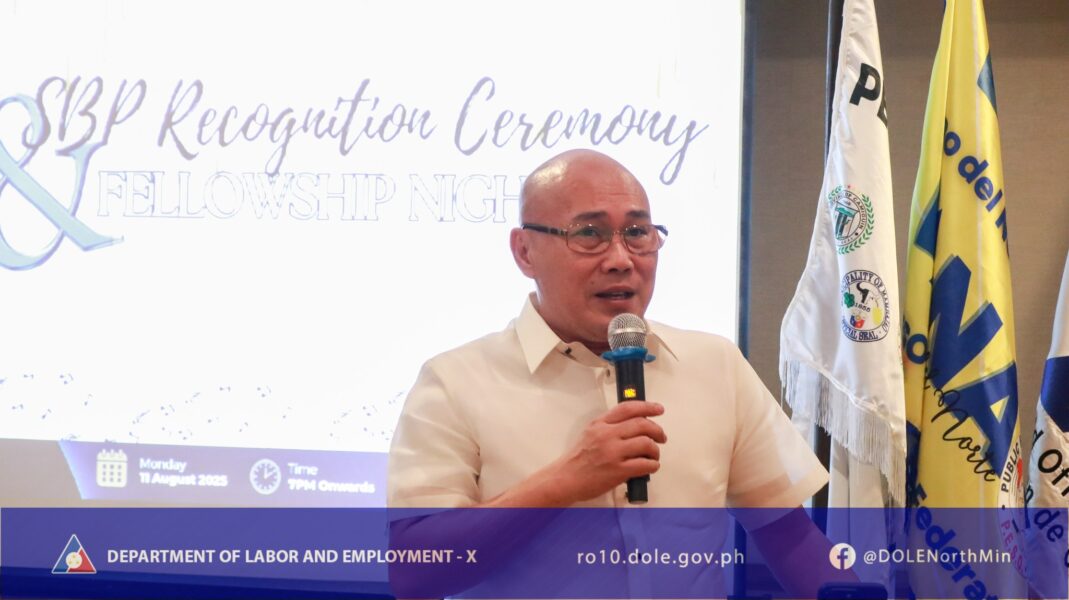
DOLE-10 Regional Director Joffrey Suyao confirmed the new rates will apply as follows:
Wage Category I: P461 to P486
Who is covered: Agricultural and non-agricultural workers.
Areas covered: The cities of Cagayan de Oro, Iligan, Malaybalay, El Salvador, and Ozamiz; and the municipalities of Tagoloan, Villanueva, Jasaan, Opol, Maramag, Quezon, Manolo Fortich, and Lugait.
Wage Category II: P446 to P471
Who is covered: Retail and service establishments employing not more than 10 workers.
Areas covered: All areas not included in Category I.
Second tranche coming in May
Suyao noted that this is only the first phase. A second tranche is scheduled for May 1, 2026, which will grant an additional P14 increase for both wage categories.
The director stressed that the hike was a balanced decision, weighing workers’ basic needs against business sustainability and inflation.
“Dili lang kani magdugang ta ug numero, dili lang kani science ug mathematics. Makaingon gyud ta nga igo ra gyud siya sa panginahanglanon sa atong mga workers,” Suyao said.
(We are not just adding numbers; this isn’t just science and mathematics. We can say that this is truly sufficient for the needs of our workers.)
He added that the board carefully considered if the increase would be swallowed by inflation or if it would genuinely help.
“Kung mo-drive siya sa inflation, basin ang gihatag nga increase igo ra pud siya mutapal sa paspas nga pagsaka sa presyo sa mga palaliton, labi na sa basic necessities,” he explained.
Labor sector reaction
Limuel Oliverio, representative of the Mindanao Alliance of Land Transport Unions (MALTU), welcomed the relief but offered a reminder about financial management.
“Lifestyle, because contentment makes a poor man rich and discontentment makes a poor man poor,” Oliverio said.
He urged workers to align spending habits with actual needs to ensure the increase translates into a meaningful improvement in their quality of life, noting that long-term stability relies on how workers manage their resources.
Suyao assured the public that these decisions were reached after a series of public hearings and consultations with both labor and employer groups.