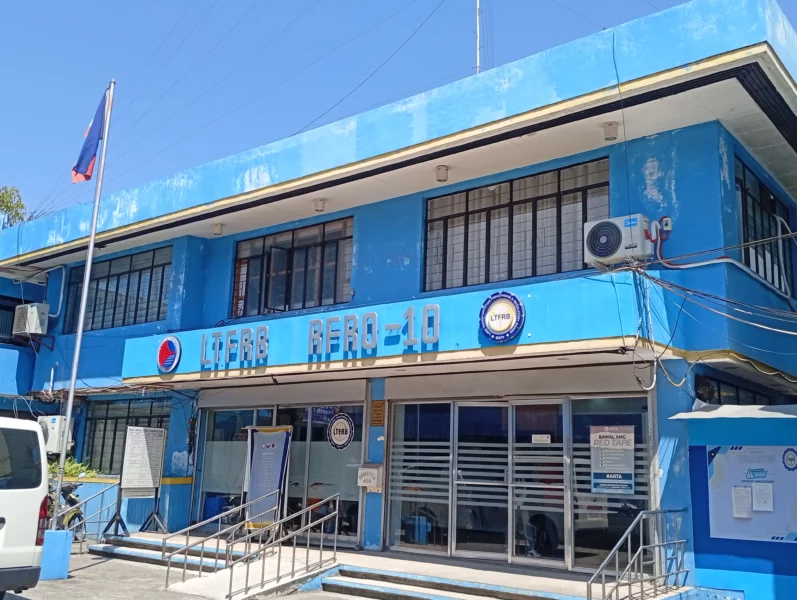
CAGAYAN DE ORO CITY — Commuters in Northern Mindanao will soon face higher transit costs. The regional transportation board is finalizing a P2 fare increase to help drivers cope with surging oil prices.
Alongside the fare hike, the government is preparing to roll out multiple waves of fuel subsidies for the transport sector.
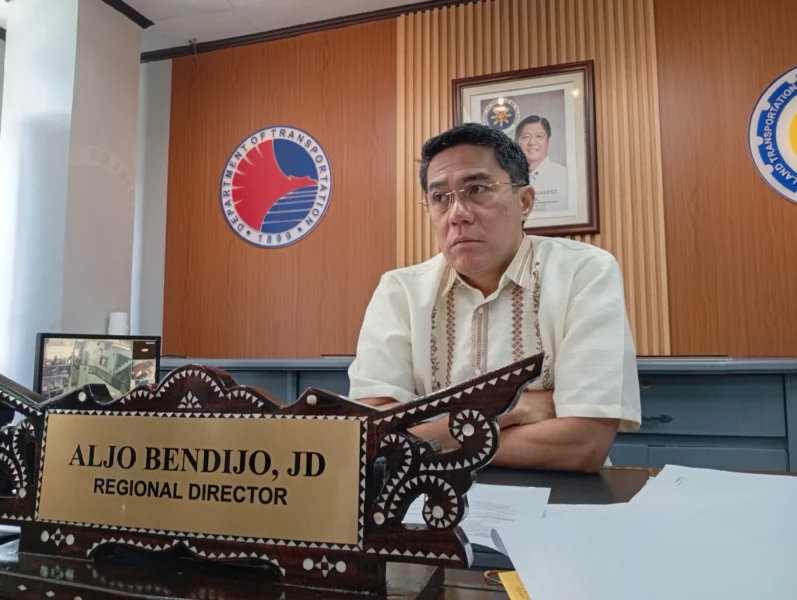
Alexes Joseph Bendijo, regional director of LTFRB-10, confirmed the fare adjustment will take effect immediately. The change starts once the central office releases the updated tariff matrix. The proposed increase is P1 for traditional public utility jeepneys (PUJs) and P2 for modern jeepneys.
“Pag naa nay matrix, magsugod nata,” Bendijo said, adding that the new matrix will be posted on the LTFRB-10’s official Facebook page.
To ease the burden on the transport sector, Bendijo submitted a finalized list of beneficiaries for the Assistance to Individuals in Crisis Situation to the Department of Social Welfare and Development central office. As of Tuesday, at least 4,179 PUJ drivers and operators in the region will receive the aid.
The LTFRB will also distribute a separate fuel subsidy program directly to eligible drivers.
“Kani nga fuel subsidy, pwede ni ipalit sa pagkaon. Tabang ni sa gobyerno—multiple waves of ayuda ang ihatag,” Bendijo said.
Currently, only drivers and operators with valid franchises — including PUJ and public utility vehicle (PUV) drivers, Transport Network Vehicle Service (TNVS) operators, and motorcycle taxi riders — are eligible. Tricycle drivers must join a cooperative to qualify for the government aid.
While subsidy distribution has begun in the National Capital Region, Region 10 beneficiaries are waiting for their official schedule. Once cleared, Landbank and other electronic money issuers will credit the payouts. This direct process ensures transparency for all beneficiaries.
Bendijo urged the transport sector to wait for formal announcements.
Ground reality
For drivers navigating the streets of Cagayan de Oro, the planned interventions may not be enough to outpace inflation.
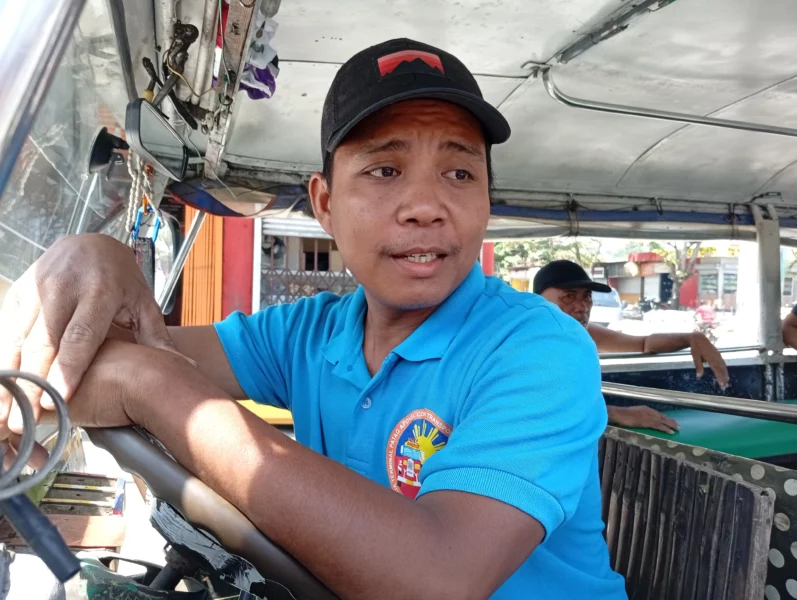
Richard Berallo, a driver for Patag Liner, said his daily earnings have plummeted from around P1,200 to just P500 a day. While he views the P1 fare increase as minimal, he acknowledged it is better than nothing.
“May na lang na. Kung mutaas ang krudo, mutaas pud unta ang minimum para dili 'mi ma pihig,” Berallo said.
Meanwhile, tricycle driver Dante Sumalinog of Barangay Consolacion said he would prefer a localized fare hike over waiting for government subsidies, pointing to the skyrocketing cost of basic commodities. Sumalinog said his daily take-home pay has dropped to a mere P200.
“Ang bugas tag P60, ang isda tag P180 — mahal kaayo. Dili nako makapalit, itlog nalang gyud akong mapalit. Lisod kaayo," Sumalinog said.
Diosporo Caballa, sixty-four, has driven a motorcycle taxi — locally known as a habal-habal in Barangay Indahag — for two decades and is having a hard time making ends meet.