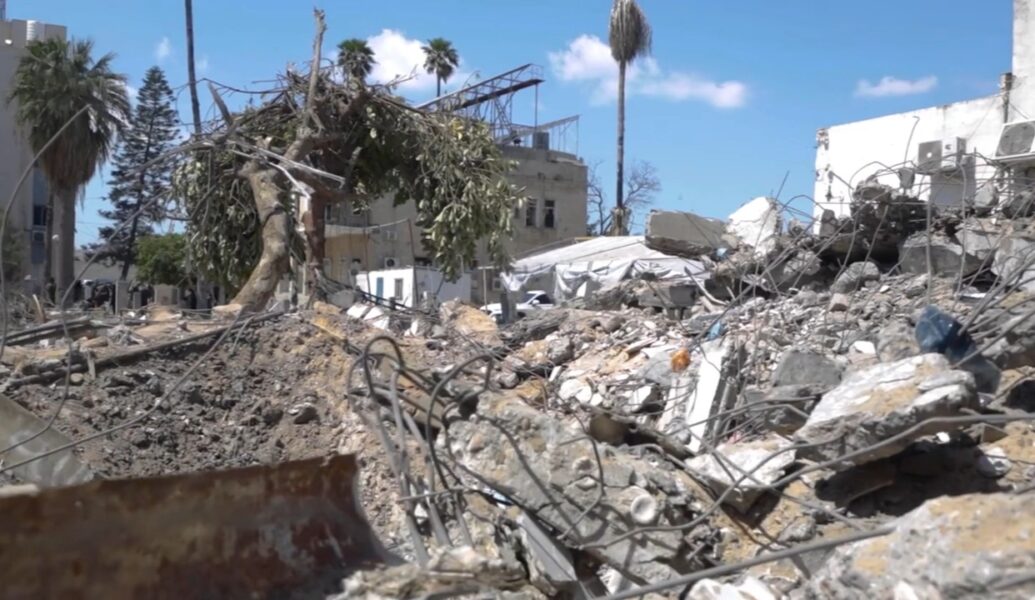
TWO years of relentless conflict have reduced Gaza to rubble, leaving families shattered and entire neighborhoods erased. Tens of thousands have been killed, injured or gone missing, and countless more are surviving in tents or the remains of their homes.
“People are digging through the rubble just to find a mattress,” said one humanitarian worker. “They wait hours for food or to use a latrine. This has become their new normal — stripped of dignity, surviving day to day.”
A city on the move
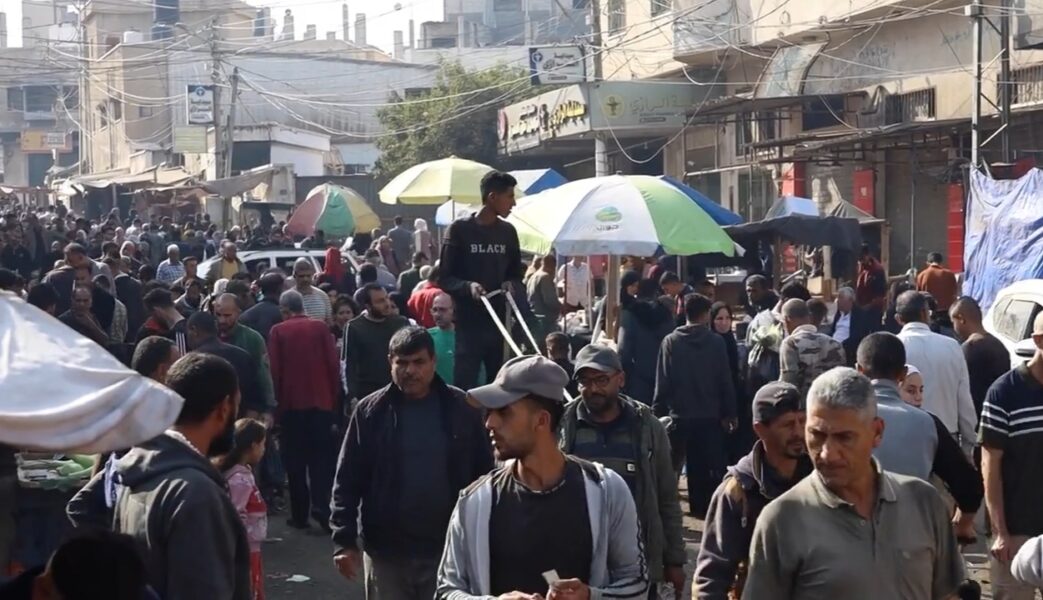
With more than 80% of Gaza’s population under evacuation orders, civilians are being forced into ever-smaller areas where food, water and medicine are desperately scarce.
The roads south are jammed with people fleeing Gaza City. Many travel on foot or cling to overcrowded trucks.
“There’s simply nowhere left to go,” said one displaced resident. “We sleep on the roadside and hope someone will take us in.”
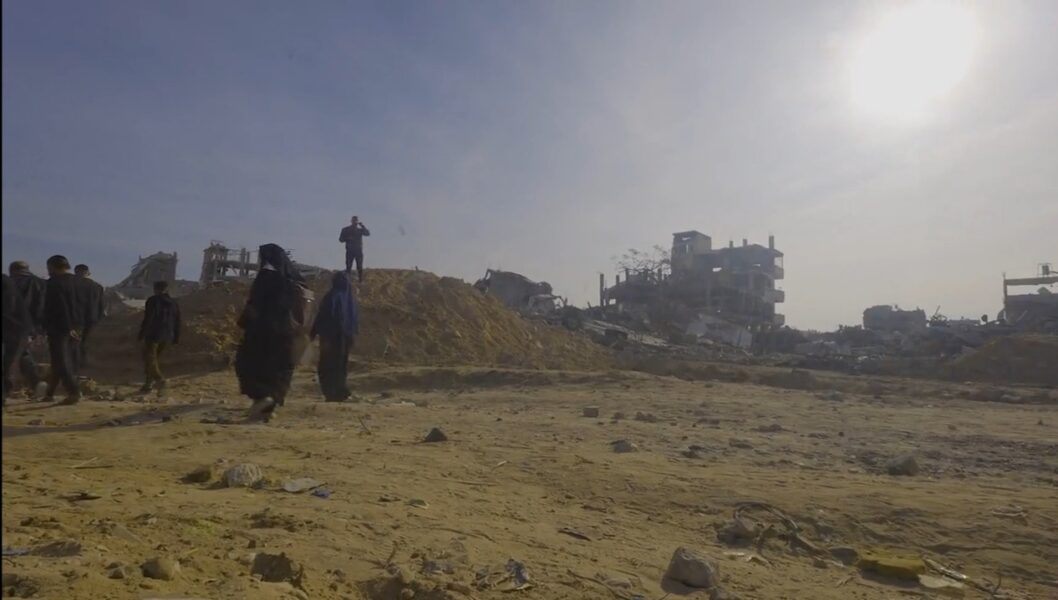
When they reach southern Gaza, most families find little more than open ground and damaged infrastructure.
“There aren’t enough tents or shelters,” said another aid worker. “People are sleeping wherever they can.”
Aid under fire
The International Committee of the Red Cross (ICRC) and the Palestine Red Crescent Society are among the few organizations still able to deliver lifesaving aid.
Together, they’ve provided medicine to hospitals, helped neighborhood bakeries feed families, and repaired damaged water and sewage lines.
The ICRC also runs the Rafah Field Hospital, one of the last functioning medical facilities in the enclave, where a steady stream of wounded and sick continue to arrive.
“Our teams are committed to staying and helping. But the human cost has been immense,” said an ICRC spokesperson.
Since October 2023, more than 30 staff and volunteers from the Red Cross and Red Crescent network have been killed.
Security concerns recently forced the ICRC to suspend operations in Gaza City and relocate staff to southern Gaza.
‘A cessation is urgent’
The ICRC is calling for an immediate halt to hostilities and for all parties to uphold international humanitarian law.
“Civilians must be protected — whether they stay or flee. Israel, as the occupying power, must ensure their basic needs are met,” the organization said in a statement.
Medical workers, civil defense personnel and humanitarian convoys must be allowed to operate safely, it added, and “the rapid and unimpeded passage of humanitarian aid” across Gaza must be guaranteed.
A crisis without end
As Gaza’s population faces hunger, displacement and trauma, humanitarian workers warn the situation is approaching a breaking point.
“This is not just a humanitarian emergency,” said one aid coordinator. “It’s the collapse of an entire society — and it’s happening in real time.” (ICRC)