WHEN the text alert from the National Disaster Risk Reduction Council came on Dec. 16, Wilson Ramos, a parking attendant immediately left the parking lot he supervised and went home.
Ramos said he had two hours to bring their belongings before the floodwaters triggered by typhoon ‘Odette’ submerged his house in the Paseo del Rio Rotunda in Cagayan de Oro City.
“I have to thank that text alert for saving my belongings,” the 43-year-old park attendant said.
Wilson said it was not the case when typhoons Sendong, Pablo, and Vinta struck in the past and spilled the Cagayan de Oro River from its banks.
“I lost everything during those typhoons. At one time, I was left with only my underwear,” Wilson said.
This is the reason why he left the parking lot he supervised when the text orange alert came on his phone.
“I went home to warn my wife and we managed to bring out our belongings before the floods came,” he said.
The NDRRMC sent out mobile text alerts warning residents before typhoon ‘Odette’ pummeled the country last Dec.16 as mandated by Republic Act no. 10639 otherwise known as “The Free Mobile Disaster Alerts Act.”
During typhoon ‘Odette,’ the NDRRMC sent out the orange and red mobile alerts which means intense or torrential rains will occur in the next three hours.
The alerts are sent out via a short messaging system (SMS) and cell broadcast service (CBS).
For many residents in typhoon-threatened areas, these alerts are saving their lives.
The 62-year-old market vendor Melecio Rafal also received one of the texts before the floodwaters from nearby Bukidnon province rush down to the Cagayan de Oro River and the city.
The 62-year-old Rafal said he quickly gathered his wife and family and brought them to the Macasandig Elementary School in Barangay Macasandig here.
Rafal said this time, most of his families were dry unlike during the past typhoons, which left them traumatized.
“During Sendong, my family had to lock arms to escape the rampaging floodwaters,” Rafal said.
Rafal said the mobile text alerts and the frequent announcements from the Cagayan de Oro Disaster Risk Reduction Management Office (CDRRMO) gave them enough time to escape.
Typhoon ‘Odette’ came exactly on the day tropical storm ‘Sendong’ inundated the riverside barangays of Cagayan de Oro on Dec. 16, 2011.
Tropical storm ‘Sendong’ left 1,472 people dead in the cities of Cagayan de Oro and Iligan. More than 1,049 are still missing to this day.
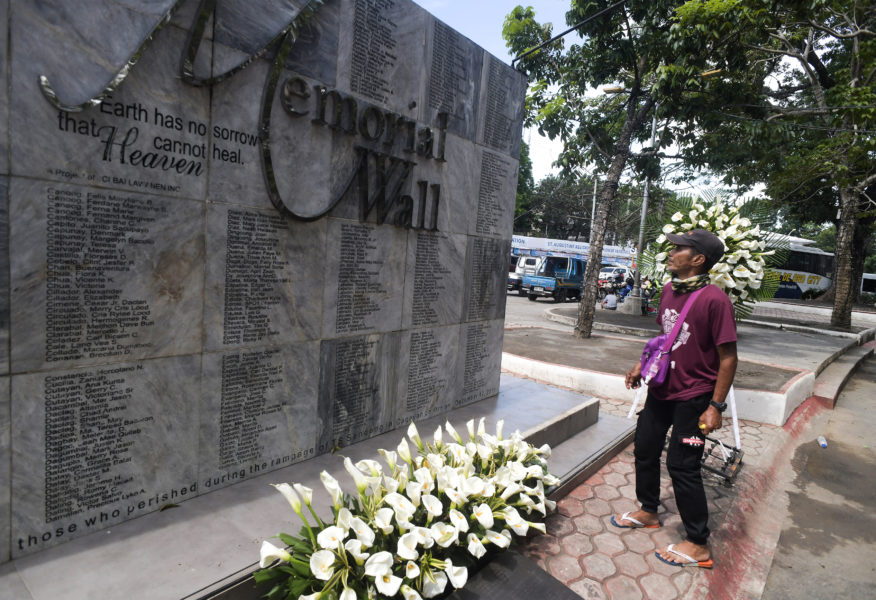
At a corner of Gaston Park in Cagayan de Oro, a memorial wall listing the names of those who died was constructed so the residents will not forget.
Although it did not reach typhoon level like ‘Odette,’ tropical storm ‘Sendong’ carried more than 500mm of rain.
The Philippine Atmospheric, Geophysical, and Astronomical Services Administration (Pagasa) station in Barangay Lumbia, Cagayan de Oro recorded 180mm of rain in a span of six hours, two times the amount of the monthly typical rainfall in the area.
The amount of rainfall resulted in the rivers in nearby Bukidnon swelling and dumping the flood to the Cagayan de Oro River, according to local environmentalist BenCyrus Ellorin.

“The rising floodwaters caught many residents asleep as it struck at dawn on Dec. 16, 2011,” Ellorin said.
He said the local government of Cagayan de Oro was caught unprepared and with no advance information from Pagasa, the night of Dec. 16, 2011, became “a nightmare for the city residents.”
Retired Philippine Air Force Sergeant Abel Idusma recalled that the only rescue vehicle of Cagayan de Oro was not available because it was under repair.
Idusma who was the team leader of the Air Force rescue unit said they fielded two military trucks to rescue residents in the beleaguered Barangays of Balulang and Baloy.
“The trucks were not enough. So many people wanted to get away from the floodwaters. Some were crying and without clothes,” Idusma narrated.
Former Office of Civil Defense Information Officer Titus Velez said there is already a shift in the mindset on disaster response and risk reduction since Sendong struck ten years ago.
“There were no command centers for disaster response during Sendong. We have to consult a committee before a decision was made,” Velez said.
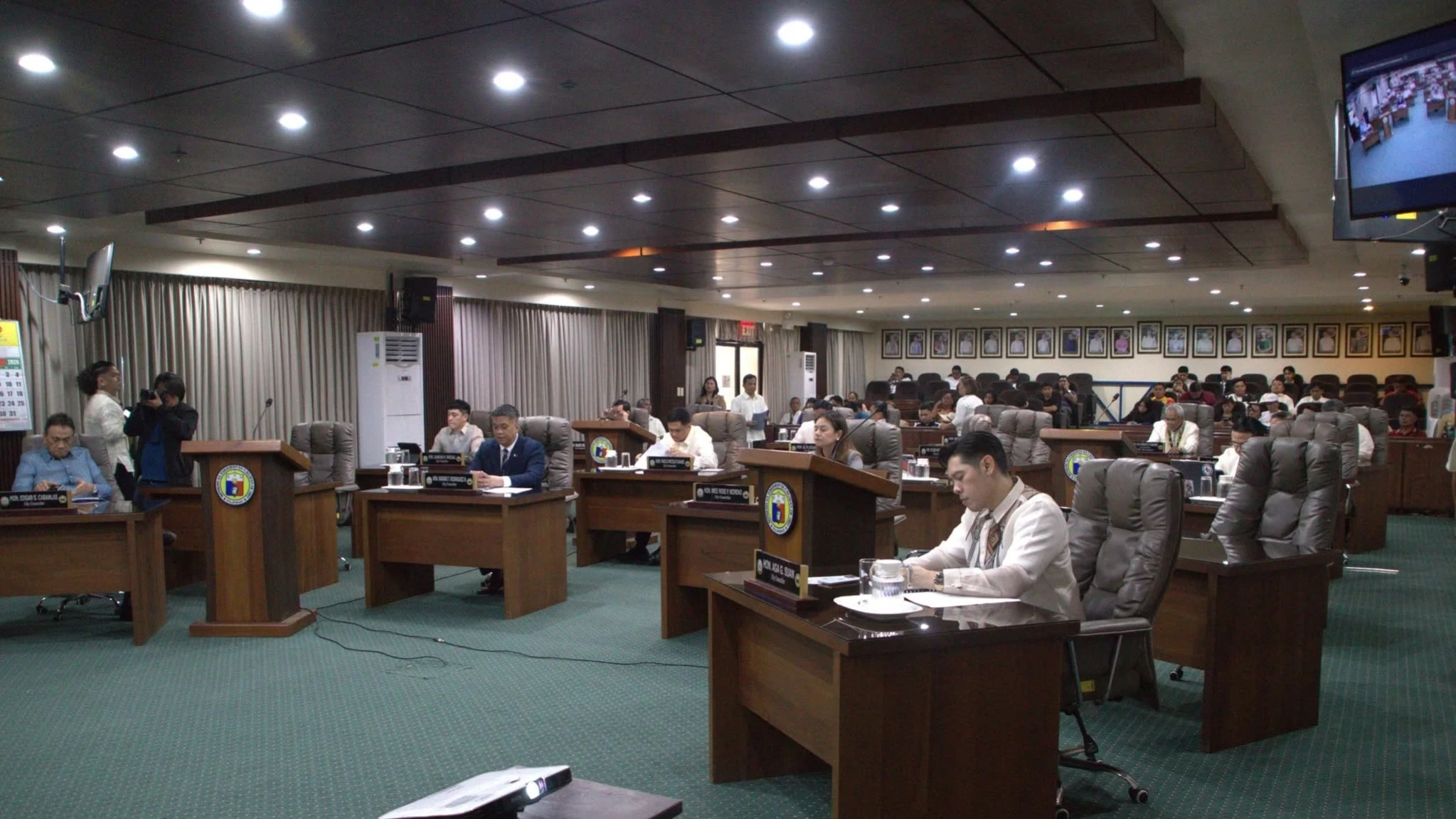
At present, there is a command center for the Cagayan de Oro Disaster Risk Reduction Management Office at the city hall complex.
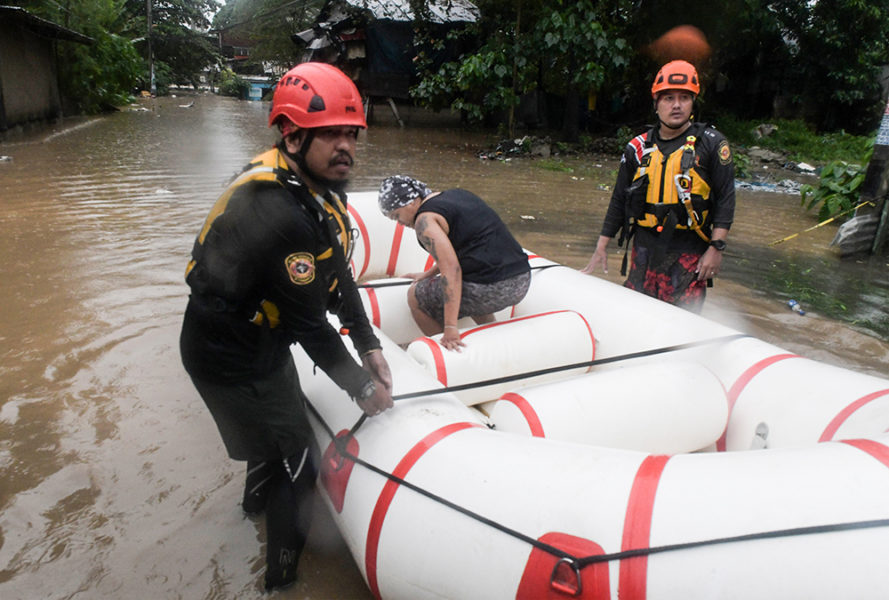
There are also more ambulances, rescue vehicles responding to ‘Odette’ compared to ‘Sendong’ when there was only one.
Cagayan de Oro DRRMO head Nick Jabagat said the command center has computers wired to the Department of Science and Technology (DOST) and Pagasa for up-to-date information.
Jabagat said they are linked to other rescue units from the Air Force, Philippine Army, Philippine Coast Guard, and other volunteer groups.
The Cagayan de Oro City Information Office also launched a 24-hour “Blow by Blow” newscast over cable TV and Facebook to keep the residents well informed.
The newscast was hooked up to all radio stations in Cagayan de Oro.
“We filled the void with accurate and up-to-date information,” city information officer Maricel Casiño-Rivera said.
Government technicians also installed a dozen automatic rain gauges in the Cagayan de Oro River and its major tributaries to warn residents of the impending flood.
“After Sendong, we have been working on how to reduce vulnerability,” Jabagat said.
When ‘Odette’ struck on December 16, Jabagat reported there was no casualty even if they managed to rescue 7,295 families or 23,269 individuals.
Those who died during ‘Sendong’ did not die in vain.
(This story is supported by a grant from Philippine Press Institute)