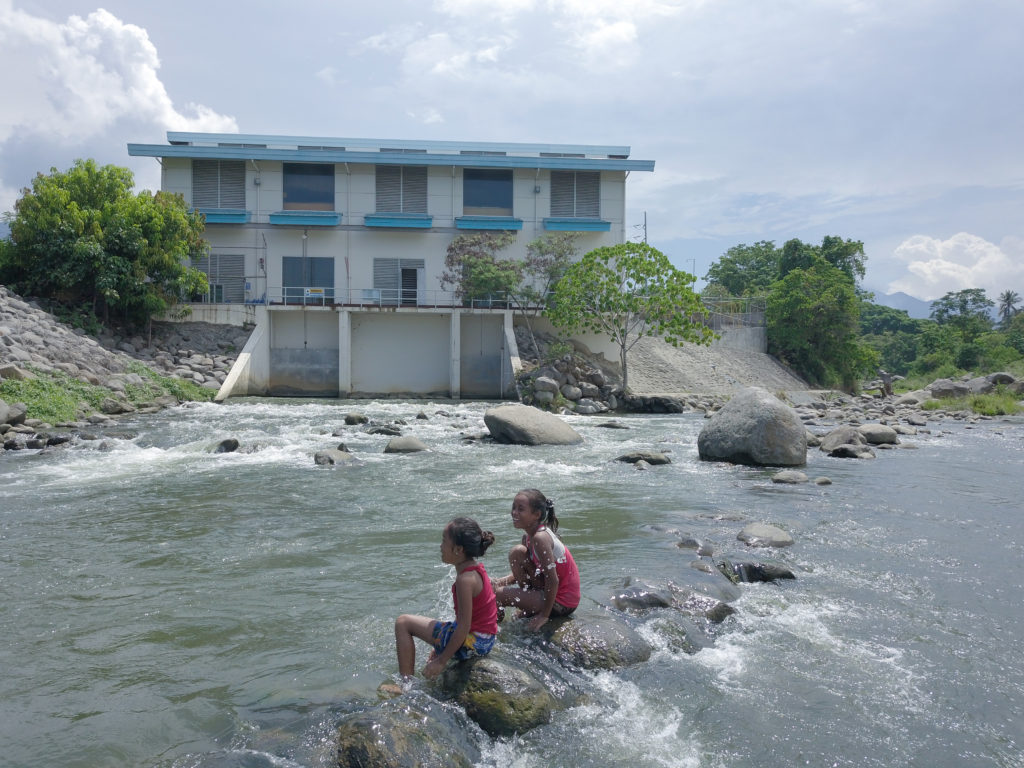
Hedcor’s Sibulan B Power Plant in Sta. Cruz, Davao del Sur is one of 22 run-of-river hydropower plants in Mindanao and North Luzon. Holding a gross capacity of 277.36 MW of clean and renewable energy, Hedcor forms a large part of AboitizPower’s renewable portfolio, which includes geothermal, solar, and large hydropower facilities all over the country.
The Philippine energy sector has come a long way in the last 10 years, ushering in an era of landmark policies and initiatives geared towards industry competitiveness and environmental sustainability.
Over the past decade, the power sector has shifted from being highly dependent on fossil fuel to employing a more balanced energy mix with various companies taking a more active role in utilizing clean and renewable energy.
In 2013, renewable energy contributed around 26 percent of the country’s total power consumption. This has since increased to over 30 percent by the end of 2018 mainly due to the national government’s campaign to increase its use, as well as the growing appetite of consumers for more sustainable sources of power.
The government has committed to making sure that renewables contribute at least 50 percent of the country’s total energy consumption by 2030. This is an optimistic goal given the growing awareness of companies towards the impact of renewable energy on their operations as well as the communities they serve.
Long before the trend on “green” and sustainable practices took shape, green office developer and operator NEO Property Management, Inc. (NEO) had already been at the forefront of clean and renewable energy. In 2013, NEO partnered with AboitizPower for Cleanergy, the latter’s brand for clean and renewable energy.
In January 2019, TNG renewed its partnership with AboitizPower for the supply of 13.5 megawatts (MW) to its facilities in Bonifacio Global City, Taguig.
“We want to give our customers an overall ‘green’ experience, from the design and architecture of our buildings, up to the power supply we use,” TNG Co-President Raymond Rufino earlier said.
The use of renewable resources like geothermal reduces 90 percent of carbon emissions from power generation. (PR)