
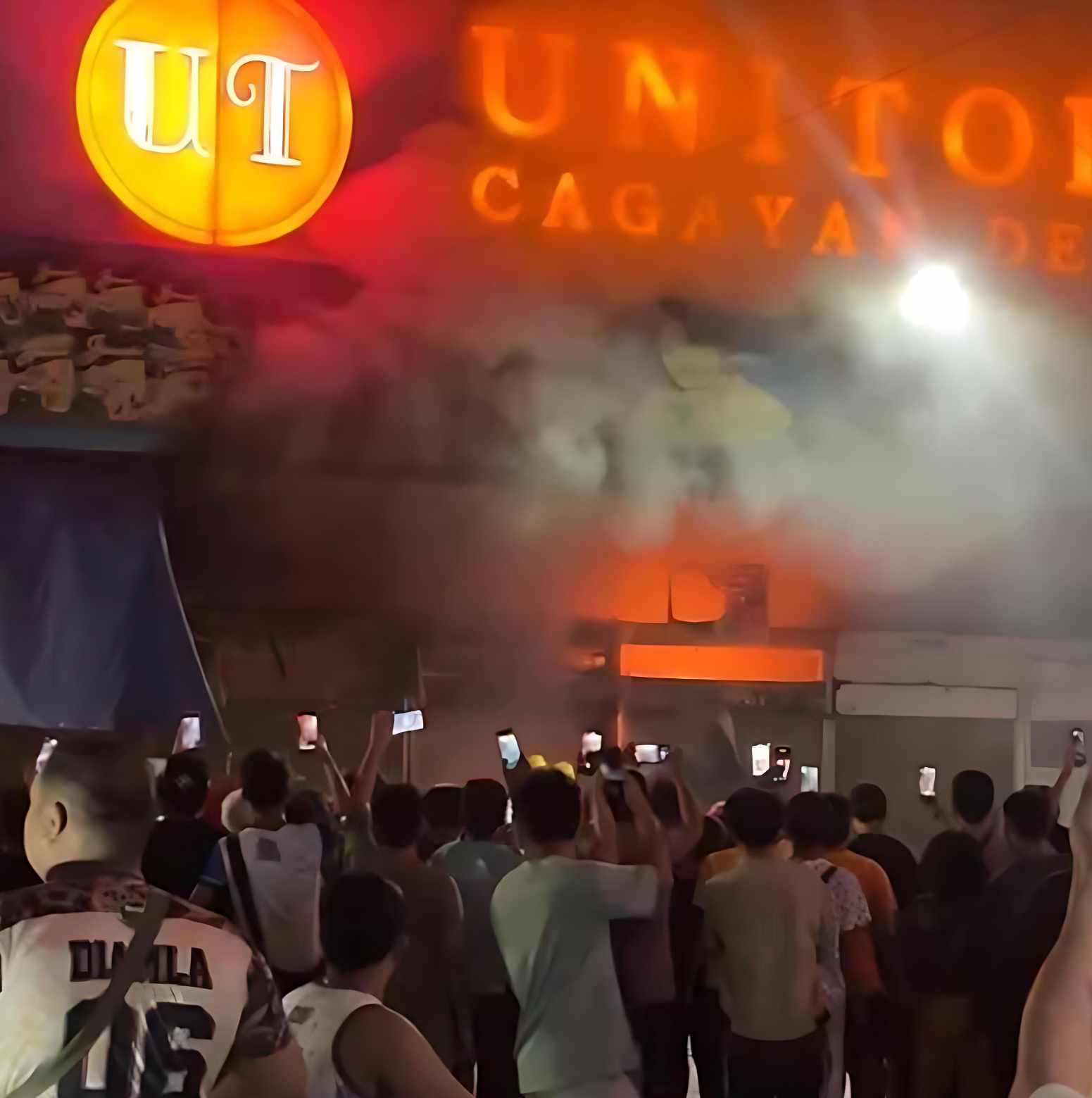
ON February 14, a fire broke out at Cogon Public Market. As flames engulfed parts of the area, responders rushed to put out the fire. A crowd gathered, but instead of calling for help or assisting firefighters, many were recording videos. Phones were raised, cameras were rolling, and people were more focused on capturing the moment than responding to it.
Before the digital age, emergencies like this would have unfolded differently. The first instinct of those nearby would have been to act—grabbing buckets of water, calling authorities, or directing people to safety. The priority was always immediate intervention. But today, our first response has changed. Instead of stepping in, we step back, watching through screens as if reality has become a performance.
The bystander effect
Psychologists John Darley and Bibb Latané introduced the bystander effect, a phenomenon where people are less likely to help in emergencies when others are present. The more witnesses there are, the less personal responsibility anyone feels. In the past, this hesitation was often brief—someone would eventually step in. But in today’s world, the presence of smartphones amplifies this effect. People not only assume that someone else will act, but they also believe that recording and sharing the event online is their form of participation.
Instead of asking, “How can I help?” many now think, “Should I record this?” The act of filming a crisis gives people a sense of involvement without requiring them to take real action.
When reality becomes content
French theorist Guy Debord argued that modern society has become a “spectacle,” where experiences are shaped more by images and media than by direct involvement. Instead of engaging with real events, people consume them like entertainment. The fire at the public market was a perfect example of this—rather than reacting to the crisis, many treated it as content, something to document rather than respond to.
In today’s world, a tragedy doesn’t feel real until it’s captured and shared. Shocking footage spreads quickly, gaining likes, shares, and views. But while awareness is important, it cannot replace direct action.
Passive observers
Sociologist Pierre Bourdieu’s concept of habitus explains how society conditions our behavior over time. Decades ago, habitus encouraged immediate action—if you saw a fire, your first thought was to help. But in the digital age, our instincts have changed. We’ve been trained by social media to reach for our phones before anything else.
Recording a crisis can have benefits—it can spread awareness, provide evidence, and even lead to faster responses. But when recording replaces action, it becomes a problem. Watching a fire through a screen won’t put it out. Sharing a video of an accident won’t save a life.
Real-world responsibility
Technology is a powerful tool, but it should not replace our natural instinct to help. A phone call to emergency responders is more valuable than a viral video. A helping hand in a crisis means more than a well-framed shot.
The question is no longer just about what we see, but about what we choose to do. In moments of crisis, will we be active participants or passive spectators?