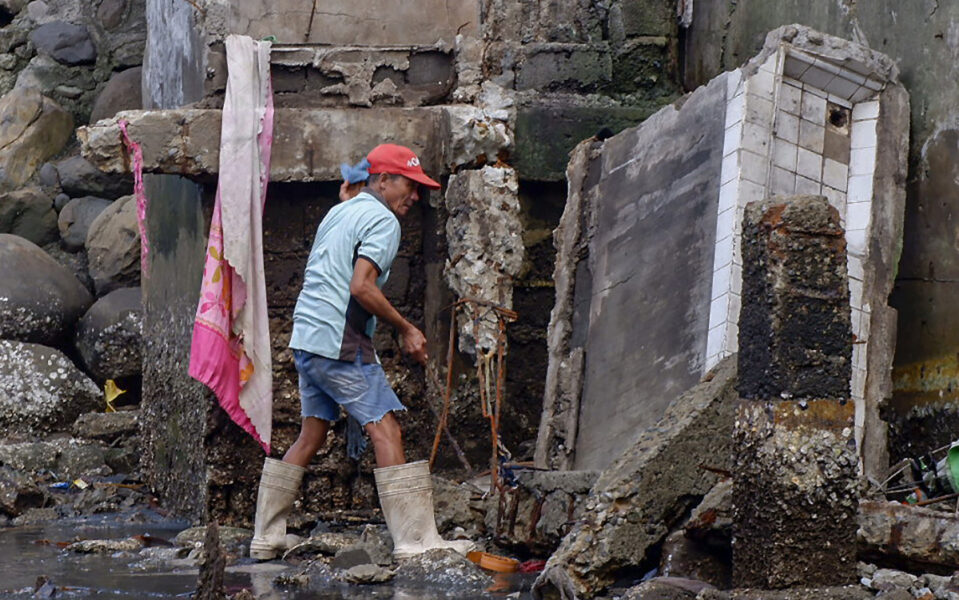
FILIPINO disaster preparedness has improved by 42% over the past seven years, according to a Harvard Humanitarian Initiative (HHI) survey, though significant gaps remain.
The nationwide survey, conducted from February to March 2024, assessed 4,608 Filipinos across five areas of preparedness: planning, training, material investment, information, and social support.
Participants scored an average of 19.2 out of 50, up from 13.5 in 2017. Despite progress, HHI researchers say Filipinos still lack adequate preparation for the country's high disaster risk.
Dr. Vincenzo Bollettino, director of HHI's Resilient Communities program, said the score reflects "both progress and urgent areas of improvement," with Filipinos achieving only 38% of essential preparedness activities.
Social support and material investment received the lowest scores, with social support dropping from 2.7 out of 10 in 2017 to 2.3.
Many Filipinos protect vital documents and monitor weather warnings, but only a minority have formal disaster plans or emergency supplies.
Regional differences are stark. The Cordillera Administrative Region leads in preparedness with a score of 24, while the Bangsamoro Autonomous Region in Muslim Mindanao (Barmm) scored the lowest at 15.1.
Despite this, Barmm recorded a 90% increase since 2017, reflecting rising local challenges from climate-related hazards.
Education and wealth emerged as strong preparedness indicators, with higher scores for wealthier and more educated Filipinos.
Those with only primary education scored 15.3, while those with higher education scored 24.1. Wealthier Filipinos also reported greater preparedness than poorer ones.
The survey also explored climate perceptions and regional resilience, with results set to inform policy discussions in coming months. HHI has operated in the Philippines since 2015, aiding disaster resilience and community engagement across Southeast Asia.