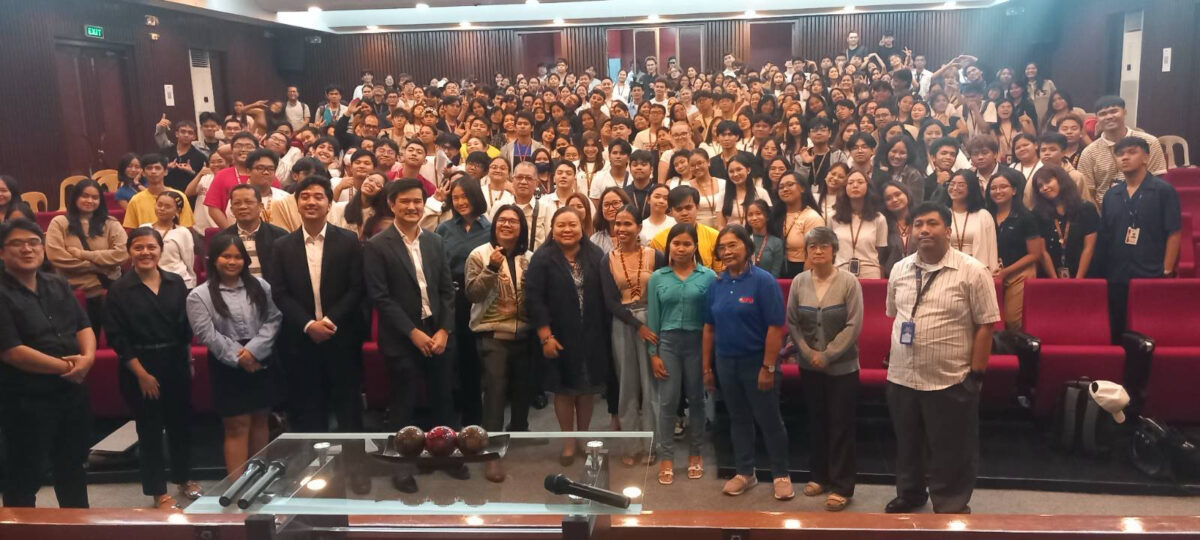
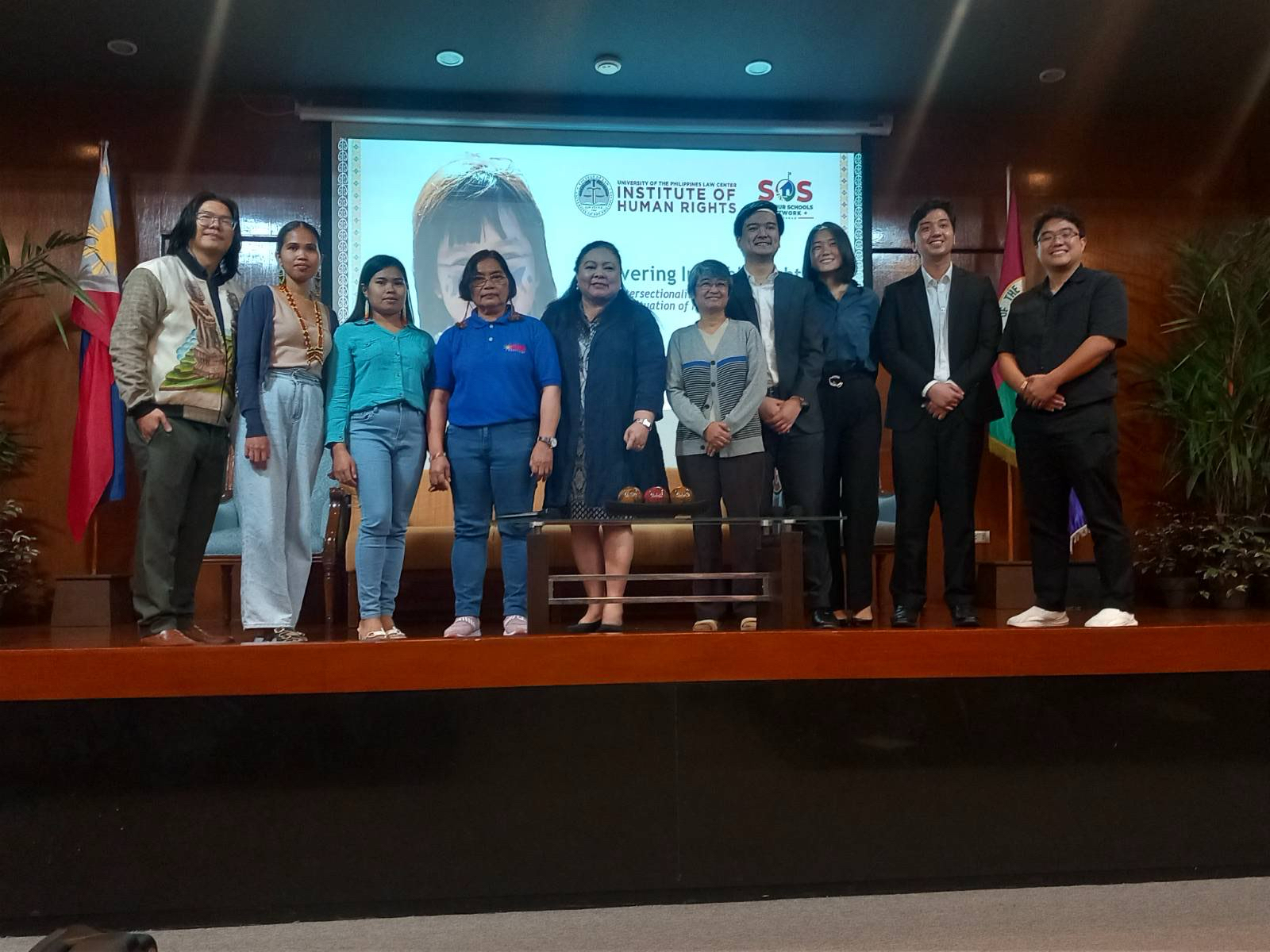
IN observance of International Human Rights Day, the Save Our Schools (SOS) Network and the University of the Philippines Institute of Human Rights (UP IHR) convened a forum to spotlight the urgent need to protect Indigenous children’s education and rights.
Titled “Uncovering Invisible Rights: The Intersectionality of Human Rights and the Situation of Indigenous Peoples,” the event emphasized systemic challenges facing Lumad communities in Mindanao. Held on December 9 at the UP Law Center in Quezon City, the forum aligned with this year’s Human Rights Day theme, “Our Rights, Our Future, Right Now.”
Addressing the Lumad education crisis
Speakers highlighted the plight of Lumad children, with over 200 community schools forcibly closed, affecting more than 10,000 students. SOS Network convener Eufemia Cullamat called education “a tool for liberation and cultural preservation,” condemning the closures and advocating for immediate action.
Panels included: Prof. Elizabeth Aguiling-Pangalangan discusses human rights’ role in equity; Atty. Raymond Marvic Baguilat, connecting Indigenous education crises to broader socio-political issues; and Lumad advocate Lerma Diagone, sharing personal accounts of community struggles.
Statistics on education and literacy
The forum revealed that only 64.5% of children in the Bangsamoro Autonomous Region in Muslim Mindanao (Barmm) attend school, with functional literacy rates at 71.6%, far below the national average of 92.3%.
SOS called for reversing the Talaingod 13's conviction, reopening Lumad schools, and investing in education infrastructure and teacher training.
Human rights and climate justice
On International Human Rights Day, the Philippine Movement for Climate Justice (PMCJ) linked human rights to climate justice, citing threats to communities from coal plants, plantations, and mining.
The Philippines remains the deadliest country in Asia for environmental defenders, with 298 killings recorded between 2012 and 2023.
Communities like the Anglao clan in Bukidnon and the Tboli tribe in South Cotabato face displacement and violence, exacerbating socio-economic disparities.
Call to action
Speakers at both events underscored the interconnectedness of education, human rights, and climate justice.
They urged local and global leaders to uphold equity, defend ancestral domains, and prioritize sustainable practices that empower marginalized communities.
“Education is the foundation of all human rights. To deny it is to deny our humanity. We must act now,” Cullamat said.