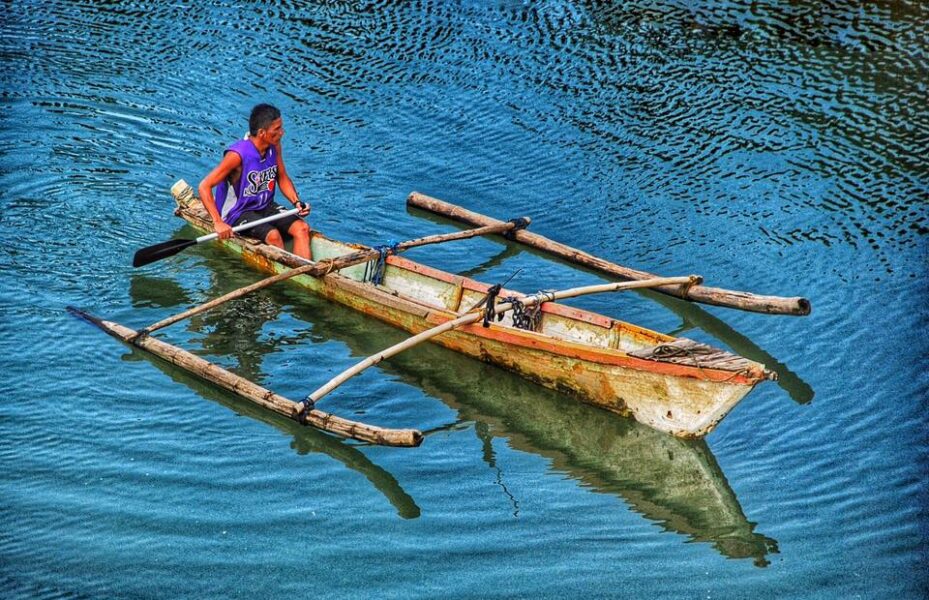
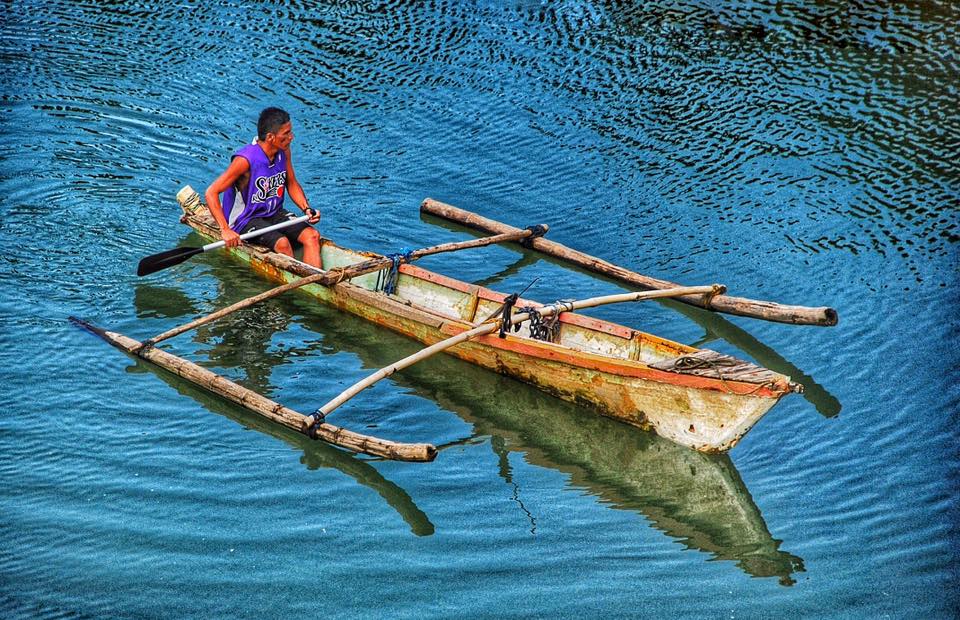
SMALL-scale fishers in the Philippines, among the most vulnerable to climate change, are facing compounded challenges from extreme weather events and environmentally destructive projects.
Despite 60% of the population living along coastlines and relying heavily on fishing, these communities are increasingly struggling to sustain their livelihoods.
As global leaders convened for the COP29 climate summit, fisherfolk across the Philippines held fluvial parade protests last week, joining worldwide calls to end fossil fuel reliance.
These demonstrations coincided with six consecutive typhoons that ravaged the country, causing hundreds of deaths, displacing millions, and resulting in billions of pesos in damages.
In Zambales, fisherfolk reported a dire situation after Typhoon Kristine, with empty nets and pockets exacerbated by a coal spill in Masinloc-Oyon Bay.
According to a 2020 study, coal ash containing heavy metals contaminates marine ecosystems, harming fish populations and posing serious health risks to humans consuming contaminated seafood.
The challenges extend beyond natural disasters. Development projects like mining and reclamation have intensified the plight of fishers.
The protests underscore broader calls to protect coastal ecosystems, which serve as critical carbon sinks and natural barriers against extreme weather.
Mangroves, for example, can store up to 1,000 tonnes of carbon per hectare, while coral reefs support over 25% of marine biodiversity, according to the United Nations.
On World Fisheries Day, fisherfolk advocates reiterated their demand for climate justice, emphasizing that the survival of these communities is intrinsically tied to marine ecosystem protection.
“There is no climate justice without justice for those who brave the waves for food and survival,” they said.