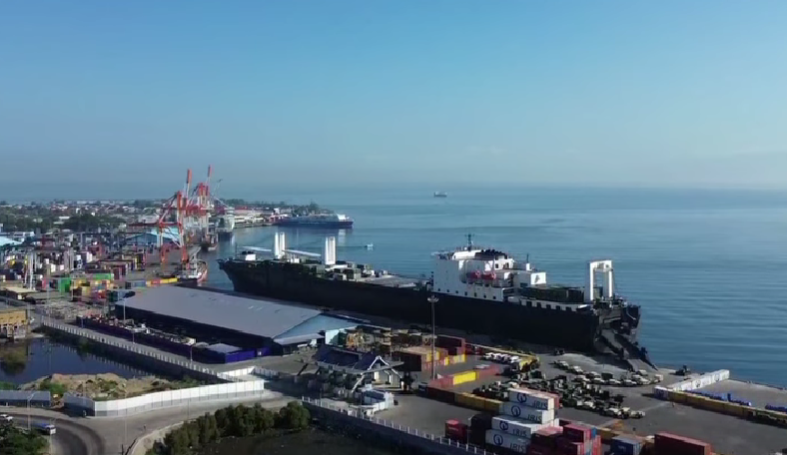
AS tensions escalate between the United States and Iran, some local leaders and analysts are raising red flags about a potential loophole in the Enhanced Defense Cooperation Agreement (EDCA) that they fear could drag the Philippines into a foreign conflict.
Former Laguindingan Mayor Romeo Caylo pointed to a specific clause in the EDCA allowing U.S. forces to preposition equipment in Philippine sites “including, but not limited to” humanitarian and disaster relief supplies. He argues this vague wording is cause for concern.
“Kadtong gi-quote nga provision sa agreement nga ‘but not limited to,’ pwede na gamiton nga justification to use the site to support the U.S. in its war with Iran,” Caylo said.
Caylo warned that if facilities like Cagayan de Oro's Lumbia Air Base — an identified EDCA site — serve as refueling or logistical hubs, the Philippines risks becoming a military target.
Read Also: US troops land in Oro for joint drills
“Kung gamiton ang Lumbia as refueling station, mahimo ta nga target nga i-neutralize. Giingon nga dili kaabot ang missile sa Iran diri, pero wala ta kabalo sa real capacity niini ug sa unfolding sa war, especially kung ma-involve ang Russia,” he added.
Political pundit Sass Rogando Sasot echoed these fears on social media. She argued that Article IV of the EDCA could permit the storage of military assets far beyond disaster relief materials.
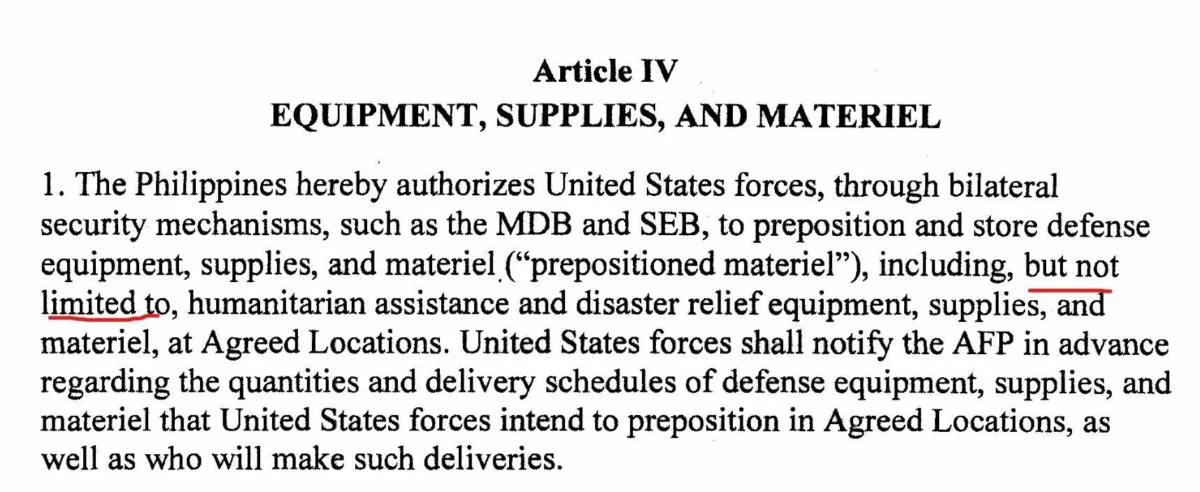
If EDCA sites are used for surveillance or resupply in U.S. operations against Iran, she warned, the Philippines could be seen as an active supporter of a foreign war. Sasot urged lawmakers to clarify the operational limits of these facilities.
Read also: PAF assures CDO: US troops here for joint training
Philippine defense officials, however, are pushing back against the speculation.
They pointed out that the Armed Forces of the Philippines strictly control EDCA sites to bolster national defense and improve disaster response readiness.
Officials stated the Philippines remains uninvolved in Middle Eastern wars. The EDCA does not authorize foreign attacks from our territory.
To quell public anxiety regarding the recent arrival of U.S. troops and vessels in Cagayan de Oro, Col. Anselmo Ty, commander of the 590th Air Base Group, clarified the deployment is strictly for joint training exercises on humanitarian assistance and disaster response.
“The activity is part of our existing agreements and has nothing to do with any international conflict,” Ty said.
U.S. servicemen arrived at Lumbia Air Base on March 10, and several military vessels docked at the Macabalan Port on March 15.
Maj. General Michele B. Anayron Jr., commander of the 4th Infantry Division, also confirmed the exercises focus entirely on disaster preparedness, not combat.
“The presence of U.S. personnel is part of our long-standing partnership aimed at improving disaster preparedness and humanitarian response in Northern Mindanao,” Anayron said.
Ultimately, analysts suggest that clearer, more transparent communication from the government about the exact limits of EDCA facilities could ease the fears of host communities navigating an increasingly tense global landscape.