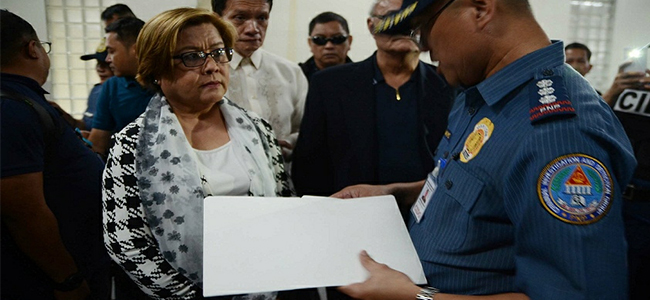
THE last criminal charge against former Philippine senator and human rights advocate Leila de Lima was dismissed in June, marking a rare legal victory amid a worsening climate of repression, enforced disappearances, and continuing attacks on activists and humanitarian workers across the country, a report from Nobel laureate Amnesty International reads.
While de Lima’s legal victory was celebrated by rights groups, the broader climate for activists in the Philippines remained fraught with repression, including enforced disappearances, continued “red-tagging,” and alleged abuses tied to anti-terrorism and anti-drug operations.
Despite a Supreme Court ruling in May that declared “red-tagging” — labeling activists as communist insurgents — as a threat to life and liberty, the practice persisted.
The government’s counterterrorism task force and security agencies were accused of weaponizing misinformation and draconian laws to target young human rights defenders, journalists, and humanitarian organizations.
In May, the Anti-Money Laundering Council froze the bank accounts of the Leyte Center for Development, accusing it of financing terrorism.
The Department of Justice also charged 27 humanitarian workers with terrorism financing; over 30 activists faced similar accusations linked to a 2023 incident, though charges against at least four were later dismissed.
Disappearances of activists surged. At least five individuals, including labor and environmental organizers, went missing in separate incidents throughout the year. The Supreme Court issued rare protection orders for the families of some, while others remained unaccounted for at year’s end.
Unlawful killings tied to anti-drug operations also continued, with local watchdog Dahas reporting at least 871 deaths in 2024.
While the government launched a task force to investigate Duterte-era abuses and held Senate hearings on extrajudicial killings, rights groups criticized ongoing impunity. Two cases — involving the deaths of a teenager and a father-son duo — resulted in rare convictions of police officers.
Meanwhile, the ICC investigation into the drug war moved forward, with the government confirming interview requests from prosecutors but maintaining its stance of non-cooperation.
Efforts to shift drug policy toward health-based approaches remained limited. A July UN-backed summit discussed reforms, but Amnesty International later reported systemic rights violations in existing rehabilitation programs, including involuntary detentions and lack of medical oversight.
As 2024 closed, rights advocates warned that recent legal victories, such as de Lima’s acquittal and the court-voided shutdown order against media outlet Rappler, were overshadowed by a broader crackdown on dissent and fragile accountability mechanisms.