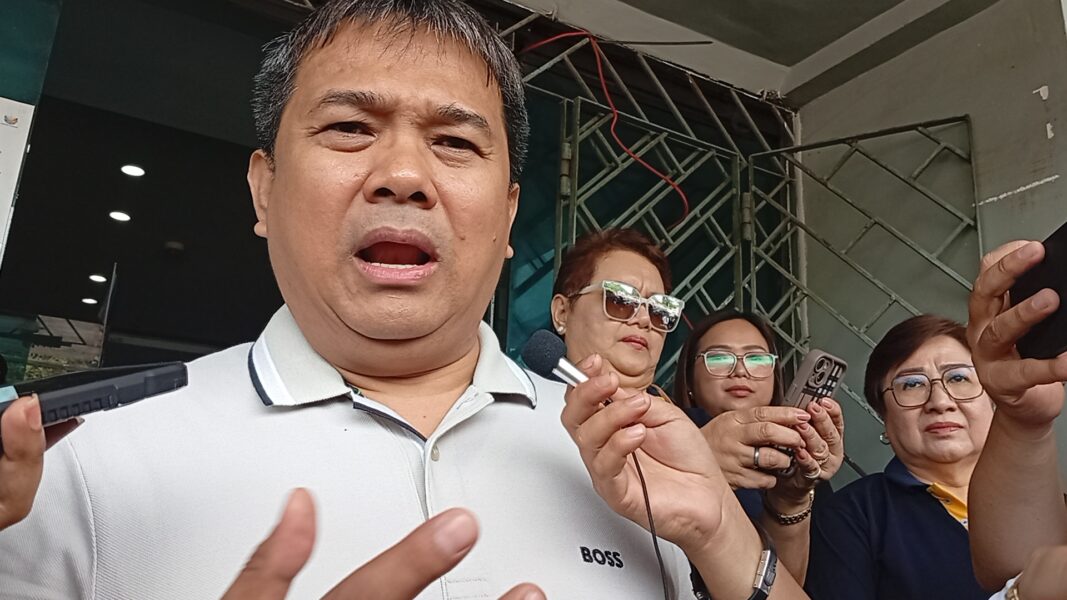
THE contamination found in water samples linked to a recent outbreak of diarrhea and other stomach illnesses here is not from the main supply, according to the chairman of the Cagayan de Oro Water District (COWD) Board.
Gerry Caño, COWD Board chairman, said in an interview with RMN-dxCC yesterday evening, September 30, that any contamination would be “after the meter.”
The City Health Office (CHO) revealed yesteday that 16 of 19 analyzed water samples contained coliform and fecal coliform bacteria. The contamination is connected to recent cases of diarrhea, vomiting, stomach cramps and fever among residents in the city.
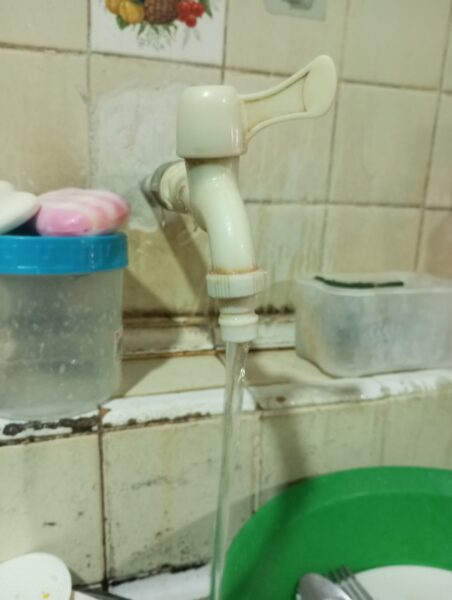
In response, Caño explained that the COWD’s obligation ends at the water meter. Beyond that, he said, the consumer is responsible for the condition of the hose and the tank where the water passes and is stored.
“Unsa ba ang kondisyon sa iyang hose, sa iyang tangke nga gipondohan sa tubig,” Caño reiterated, adding that a test conducted at a local mall showed a positive result when the sample was taken directly from the mall’s line.
Caño noted that the 19 tests conducted by the CHO, showing 16 positive for fecal coliform, initially suggested a localized contamination in the lines, not the entire supply.
“After the meter, kay kung ang contamination is coming from the supply itself then ang kinabag-ang konsumante ang apektado,” the COWD board chairman elaborated.
He pointed out that the presence of negative results among the 19 samples indicates the problem is in the customer lines and not the main supply.
Caño advised consumers to take care of their lines.
“Ato gyud kanang atimanon, kung naay buslot kay inig hinay sa pressure higupon man ini ang tubig nga naa sa diha sa gawas,” he said, explaining how low pressure can pull in outside contaminants through leaks.
For those with water tankers, Caño recommended periodic maintenance, as it is inevitable that flushing and turbidity will introduce particles into the water.
Caño also discussed the COWD's supply sources. The district’s bulk water supplier draws from a river, a surface water source, which is treated before being released to COWD.
He noted that 80% of the supply in the 1st District comes from bulk water, while in the 2nd District, only 20% is bulk water. This means 80% of the 2nd District’s supply comes from deep wells.
“Most of the water nga gi distribute sa second District gikan kana sa production well, gikan sa ilawom sa yuta, ikompara nimo sa surface well mas makaingon kita nga luwas kining ilawom sa yuta,” Caño explained.
Caño concluded by saying the COWD office offers free water testing for households. Residents can request COWD to collect samples and conduct the testing.
On September 30, City Councilor Paolo Nicolo Gaane, chairman of the committee on health, revealed that most cases are in the downtown area.
He said the gastroenteritis affecting the city is linked to the water and not to garbage.
“Dili pwede ang hugaw sa basura mukamang didto sa taas or muadto sa ilalom, walay scientific evidence nga mo connect na sila,” Gaane said.