CAGAYAN de Oro City — Lanao del Sur is preparing for possible El Niño impacts on farming, fishing and public health, with provincial officials gathering sector data to guide a contingency plan for potentially drier conditions in the coming months.
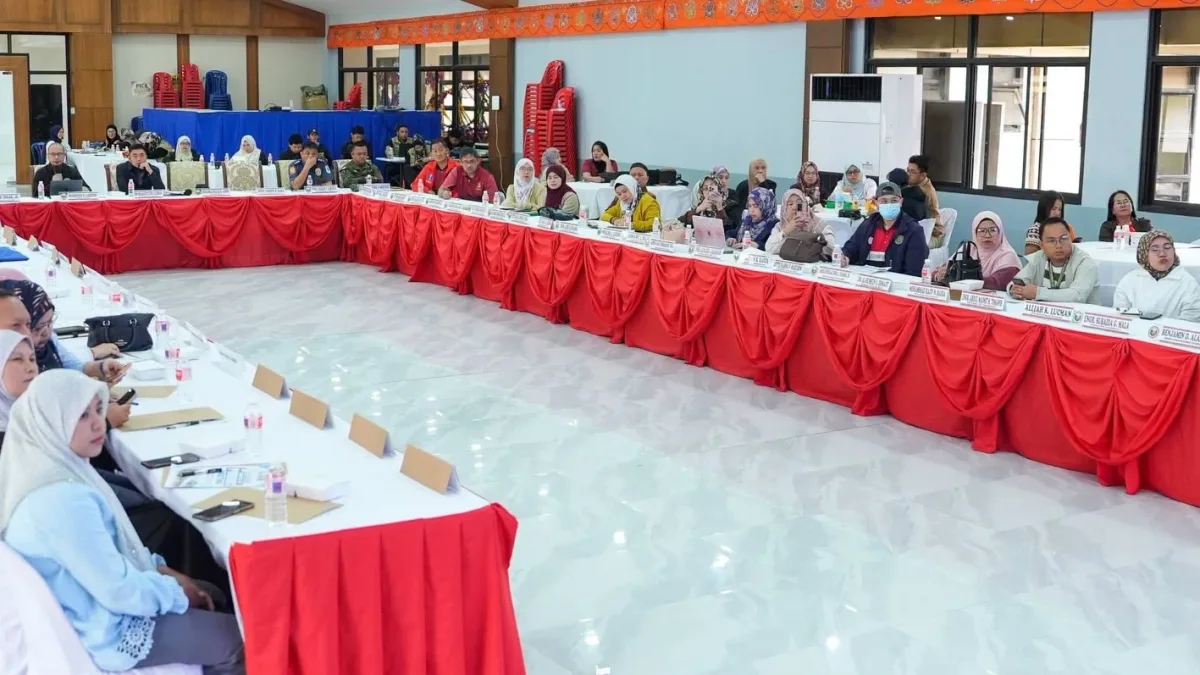
During the third-quarter meeting of the Provincial Disaster Risk Reduction and Management Council (PDRRMC) on Sept. 17, Provincial Board Member Sharieffudin Lucman called on concerned provincial offices to submit reports on the effects of El Niño to the Provincial Disaster Risk Reduction and Management Office (PDRRMO).
Lucman said farmers and fisherfolk are already experiencing some effects and urged the province to develop an El Niño action or contingency plan while continuing information efforts to help communities prepare.
PDRRM Officer Shaminoden M. Sambitory said Lanao del Sur could experience dry conditions beginning in December, with a possible dry spell from January to February, based on the forecast cited from the Department of Science and Technology-Philippine Atmospheric, Geophysical and Astronomical Services Administration (DOST-PAGASA).
Sambitory pointed to the province’s experience in 2024, when dry conditions affected farmers and the water level of Lake Lanao during the summer.
He said prolonged periods with little or no rain could affect both farming and fishing, making early preparation important for communities dependent on these sectors.
The council also reviewed observed rainfall, the seasonal climate outlook and tropical cyclone forecasts as part of its assessment.
Health risks
The provincial health office is also preparing for possible health concerns associated with El Niño conditions, including heat-related illnesses, dehydration and diseases linked to unsafe water and mosquito exposure.
The Integrated Provincial Health Office (IPHO)-Lanao del Sur reported 996 dengue cases, 256 typhoid fever cases, and seven leptospirosis cases from Jan. 4 to Sept. 7, 2026, based on data from the Provincial Epidemiology Surveillance Unit.
Faisha M. Bonal of IPHO clarified that these diseases are not directly caused by El Niño, but their occurrence may increase under conditions such as water shortages, unsafe water use, improper food handling, and water storage that can create mosquito breeding sites.
To prepare, IPHO is strengthening disease surveillance and reporting, ensuring adequate medicines and essential health supplies, promoting dengue prevention and proper water storage, and expanding health education and risk communication.
“Our health sector priorities for El Niño are to prevent illness, ensure water security, strengthen surveillance, and maintain continuity of essential health services,” Bonal said.
The PDRRMC also discussed the potential and observed impacts of haze, including related health concerns, and approved the province’s 2027 contingency plans.
For Lanao del Sur communities, the provincial assessment is focused on identifying which sectors could be affected and what preparations may be needed before the possible dry period begins. (With a report from Apipa Bagumbaran, PIA-10)