By BEN BALCE
Staff Member .
Northern Mindanao Hog Growers Association (NMHGA) and the Bureau of Customs urged stakeholders of the livestock sector in the country to spread awareness on the adverse effects of the African Swine Fever (ASF) to the swine industry.
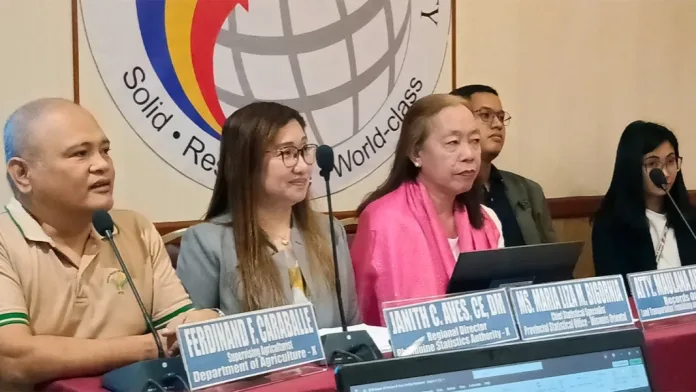
Earlier, NMHGA president Benjamin Albarece and port collector John Simon of the Mindanao Container Terminal met as they both discussed the issues and concerns involving the ASF.
Dr. Albarece who specializes in the area of pig, cow, buffalo, goat, sheep, horse and fish shrimps.
Albarece said that with the help of the Bureau of Customs would enable them to have a synchronized action against the entry of the animal disease in the region.
During their meeting, , according to Albarece a technical discussion on ASF was held among them to include in the strengthening of the region’s biosecurity and quarantine measures.
Albarece even said that since the Philippines is highly-vulnerable to be infected by ASF, the region’s biosecurity was given emphasis during the discussion.
Albarece said that ASF is a contagious hemorrhagic viral disease among domestic and wild pigs that can spread rapidly regardless of borders.
ASF is a fatal animal disease affecting pigs and wild boars with up to 100-percent mortality, according to the Food and Agriculture Organization.
The government has been campaigning against the disease following the outbreak in neighboring countries like China, Vietnam, Cambodia, and Mongolia, including active cases in 17 other countries.
Meanwhile, on his part Simon would also strengthened measures to prevent the entry of the ASF in the Mindanao Container Terminal.
Simon also pressed a nationwide calling to have a close inspection and monitoring of the entry of frozen and processed pork products, and the installation of additional footbaths in all ports of entry for heightened disease surveillance.
“It should be a closely monitoring to be implemented nationwide in all ports in the country to prevent the entry of banned meat products,” said Simon.
According to Simon, only importers with proper clearances and permits from the Department of Agriculture, Bureau of Animal Industry, and FDA, among others, will be allowed to bring in meat products into the country.