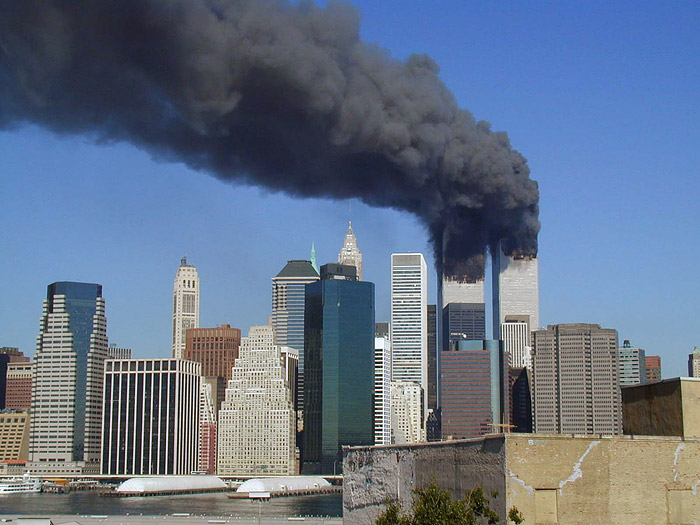
AMERICANS across the world paused today to remember the victims of the September 11, 2001 attacks, as the country marked the 23rd anniversary of one of the deadliest days in US history.
Commemorations were held at Ground Zero in New York, the Pentagon in Washington, and a memorial near Shanksville, Pennsylvania, where the fourth hijacked plane, United Airlines Flight 93, crashed. The coordinated attacks by al-Qaeda terrorists killed nearly 3,000 people and reshaped U.S. foreign policy, domestic security measures, and global politics.
In New York City, the annual reading of the victims’ names took place at the 9/11 Memorial. Family members and survivors gathered solemnly, many holding photos of loved ones lost when hijacked planes flew into the Twin Towers of the World Trade Center. Church bells tolled and moments of silence were observed to mark the exact times the planes struck the towers and when each tower collapsed.
President Joe Biden, speaking from Alaska after returning from a diplomatic trip to Asia, expressed the nation’s enduring grief and resilience.
“We will never forget those we lost that day, nor the courage of the first responders who risked their lives to save others," he said, highlighting the ongoing challenges posed by terrorism.
At the Pentagon, where American Airlines Flight 77 crashed into the building, Secretary of Defense Lloyd Austin honored the 184 victims and praised the military’s enduring mission to combat global terrorism.
“In the years since that terrible day, the men and women of the US Armed Forces have worked to ensure that our enemies can never again inflict such pain on our nation,” Austin said during a wreath-laying ceremony.
In Shanksville, Pennsylvania, family members of the 40 passengers and crew who fought back against the hijackers of Flight 93 paid tribute to their heroism. Many believe their efforts prevented the plane from reaching its intended target, likely the US Capitol.
Remembering the Aftermath
The 9/11 attacks had far-reaching consequences, including the launch of the US war on terror, which led to prolonged military engagements in Afghanistan and Iraq. It also resulted in sweeping changes to US domestic security policies, including the creation of the Department of Homeland Security and the implementation of more stringent airport security measures.
For many Americans, the anniversary serves as a reminder not only of the lives lost but also of the unity that briefly emerged in the wake of the tragedy. However, others see it as a time to reflect on the long-term impact of the wars and foreign policy decisions made in response to the attacks.
First responders and survivors of the attacks continue to face health challenges. Many have developed respiratory illnesses and cancer due to exposure to toxic dust and debris at Ground Zero. The US government established the 9/11 Victim Compensation Fund to support victims and their families, and legislation has been passed to ensure continued healthcare for those affected.
As Americans mark this solemn day, the words ‘Never Forget’ continue to resonate, underscoring the enduring impact of September 11 on the nation’s collective memory.