As the Senate impeachment trial of Vice President Sara Duterte continues, many Filipinos are asking what it means for the laws that affect their daily lives.
The short answer: The Senate can still pass bills, but the impeachment proceedings may slow work on some proposed laws.
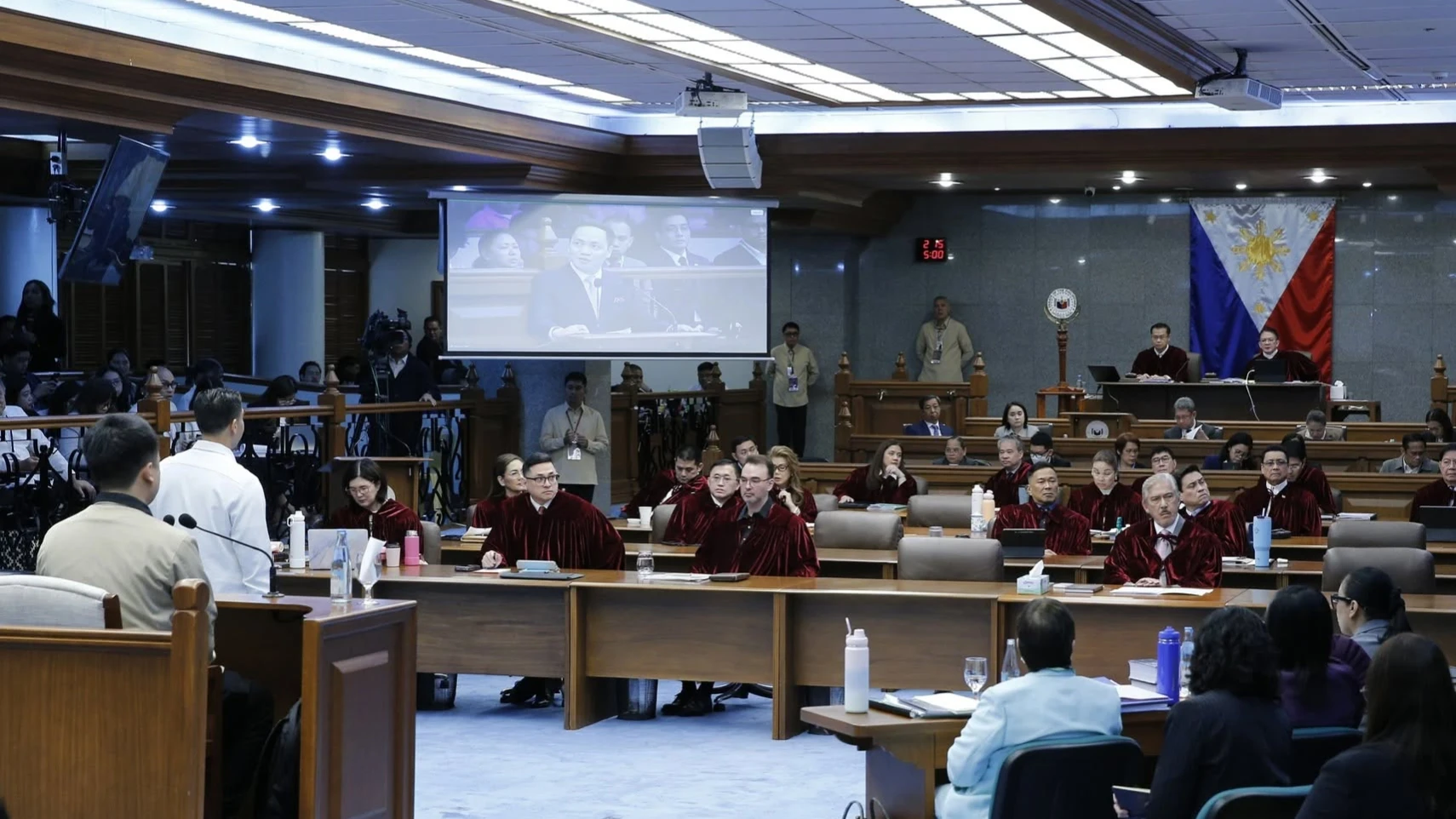
Under Article XI, Section 3 of the 1987 Constitution, senators serve a dual role during an impeachment trial.
They must act as senator-judges while continuing to perform their legislative duties, including attending sessions, debating bills, and conducting committee hearings.
Because impeachment hearings take up significant time, lawmakers may have fewer hours to deliberate on pending measures.
While urgent legislation can still move forward, other proposals could take longer to reach approval.
What could be delayed?
If legislative time becomes limited, bills that directly affect Filipino families may face slower progress, including:
Food security measures on agriculture, irrigation, and efforts to stabilize food prices.
Wages and labor proposals, including minimum wage increases, workers' benefits, and labor protections.
Healthcare bills involving public hospitals, disease prevention, and expanded health services.
Education measures on teacher welfare, scholarships, and school funding.
Economic proposals covering tax reforms, investment incentives, infrastructure, and support for businesses.
These bills are not automatically put on hold, but they may spend more time waiting for committee hearings or plenary debates.
Will the Senate stop making laws?
No.
The impeachment trial does not suspend the Senate's legislative functions.
Senators can still hold regular sessions, conduct committee hearings, and approve bills while the trial is underway.
Senate leaders also have the authority to prioritize urgent measures, especially those considered essential to the economy, public welfare, or government operations.
What it means for you
For most Filipinos, government services and existing laws will continue as usual.
However, if the impeachment trial requires more Senate time over the coming weeks or months, some proposed measures that could affect jobs, prices, healthcare, education, and other public concerns may take longer to become law.
Ultimately, the pace of legislation will depend on how effectively the Senate balances its constitutional duty to conduct the impeachment trial while continuing its work as the country's lawmaking body.