You can't restore what never left
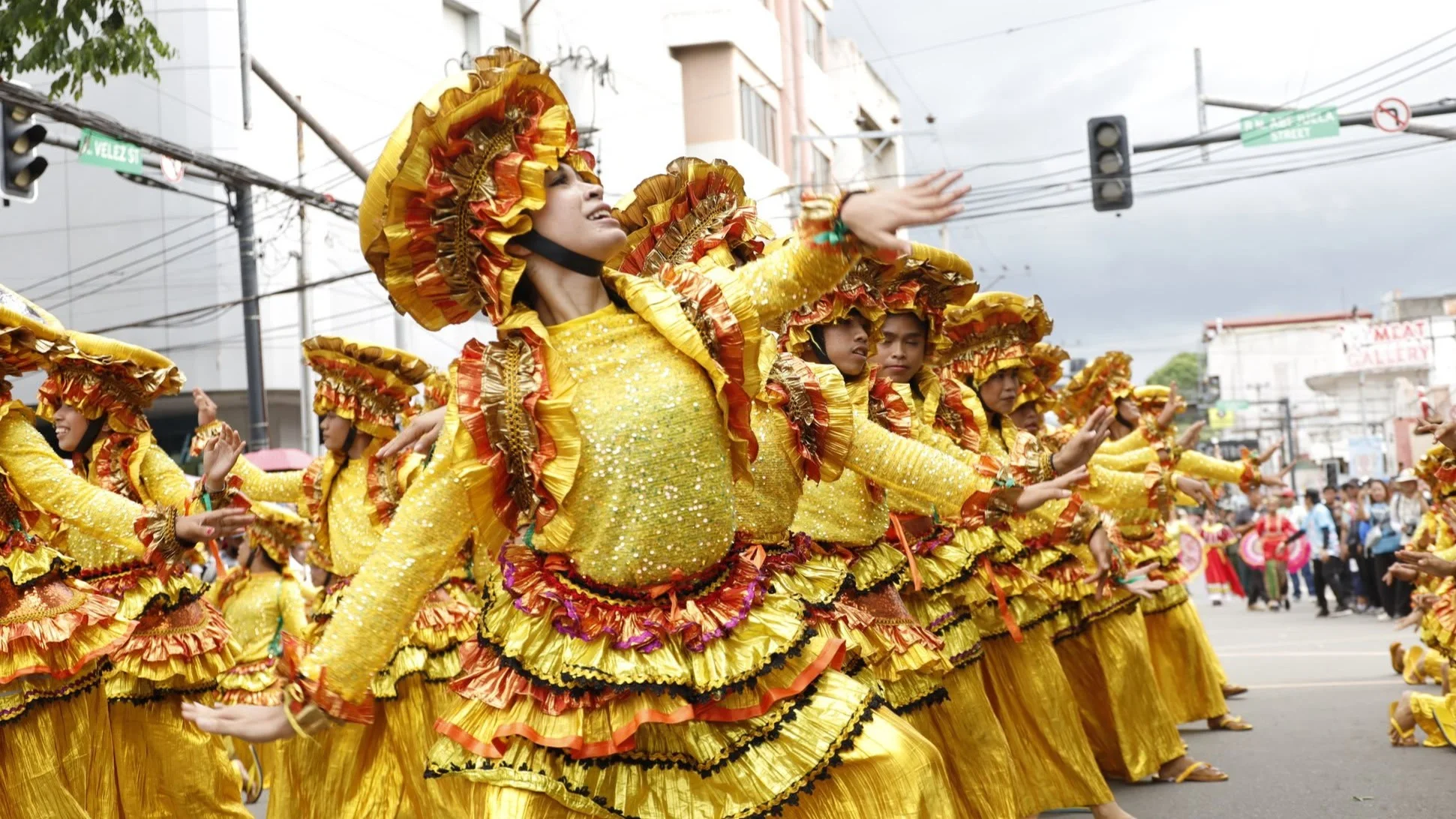
Banners flap in Chrysus' plaza, stubborn as roosters at dawn, proclaiming: "Make Chrysus Great Again."
The townsfolk nod politely, out of habit. In Chrysus, greatness is a word with the flexibility of a carnival tent. It stretches to cover any season, feast, or coronation disguised as a ribbon-cutting. But in the hush between drumbeats and camera flashes, a question lingers like the scent of lechon after a fiesta: When exactly did the kingdom stop being great?
The old chronicles speak of three-day festivals, roads promised to rise in two rainy seasons, and rulers whose names were carved deep into city walls — often beside the year of their defeat. The so-called golden age gleamed bright enough to blind, but the gold was thinner than the paint on market signboards.
Still, the prophecy remains, draped across the plaza like a spell to hide cracks in the castle walls. The ivy creeping over the aviara and bibliara — not a hen fed, not a page turned — monuments raised less for service than for lining pockets deep enough to hide entire blueprints.
And yet here we are, told to wait for the "return" of glory — as if Chrysus had sunk into the sea, waiting for a chosen one (or a campaign team) to haul it back onstage. But I've crossed bridges that took longer than a mango tree to bear fruit, seen marketplaces multiply like rumors in a plaza, and watched parades thrown for milestones big and small. If this is a decline, it's working overtime.
"Again" isn't magic. It's marketing — nostalgia rebranded as a grand comeback tour. The past doesn't gallop in on a noble steed; it limps back wearing the same family crest, this time with shinier armor and fewer receipts.
Chrysus has always been great. Flawed, yes — but each reign left something behind that paved the way forward. Claiming all glory isn't leadership. It's theft of memory.
So no, you can't say "great again." It never left. You just prefer to draw the curtains and call it dawn.
Take off those sunglasses — not the designer ones for photo ops, but the kind that turn selective blindness into vision.
Greatness isn't in banners or crowns. It's in carrying the people's trust without confusing nostalgia for progress.
Chrysus still stands — imperfect, yes, but undeniably alive. It requires fewer slogans, sturdier bridges, and blueprints meant for building, not for billing.
Because "great again" shows up daily as shrugged-off potholes, long lines at markets, and promises that glint like sunlight through tinted glass. We carry on, toast progress, dodge inconveniences — and realize that greatness never left, but good living often did.
The lesson? You don't need banners or heralds to feel it. It's in streets that hum with commerce, marketplaces that thrive despite being left gloriously unattended, and neighbors keeping traditions alive with their daily news. Chrysus' story isn't just a kingdom tale — it's ours. And seeing that makes the ordinary strangely extraordinary.
Still brewing thoughts — no sugarcoating, just stories steeped in truth.