QUEZON, Bukidnon ― The Sunggod Teh Kamanga of the Manobo indigenous people in this town is much more than a ritual and a festival.
The festival, held annually on February 17 and 18, is a source of pride for the Manobos, one of the seven indigenous tribes in Bukidnon. This tribe resides in the mountainous areas that border Bukidnon and Davao provinces.
Quezon Mayor Pablo Lorenzo III said the Manobos, which comprised 10 percent of the town’s 109,624 resident population, eked a living by engaging in nomadic, slash-and-burn agriculture in the mountains around the town.
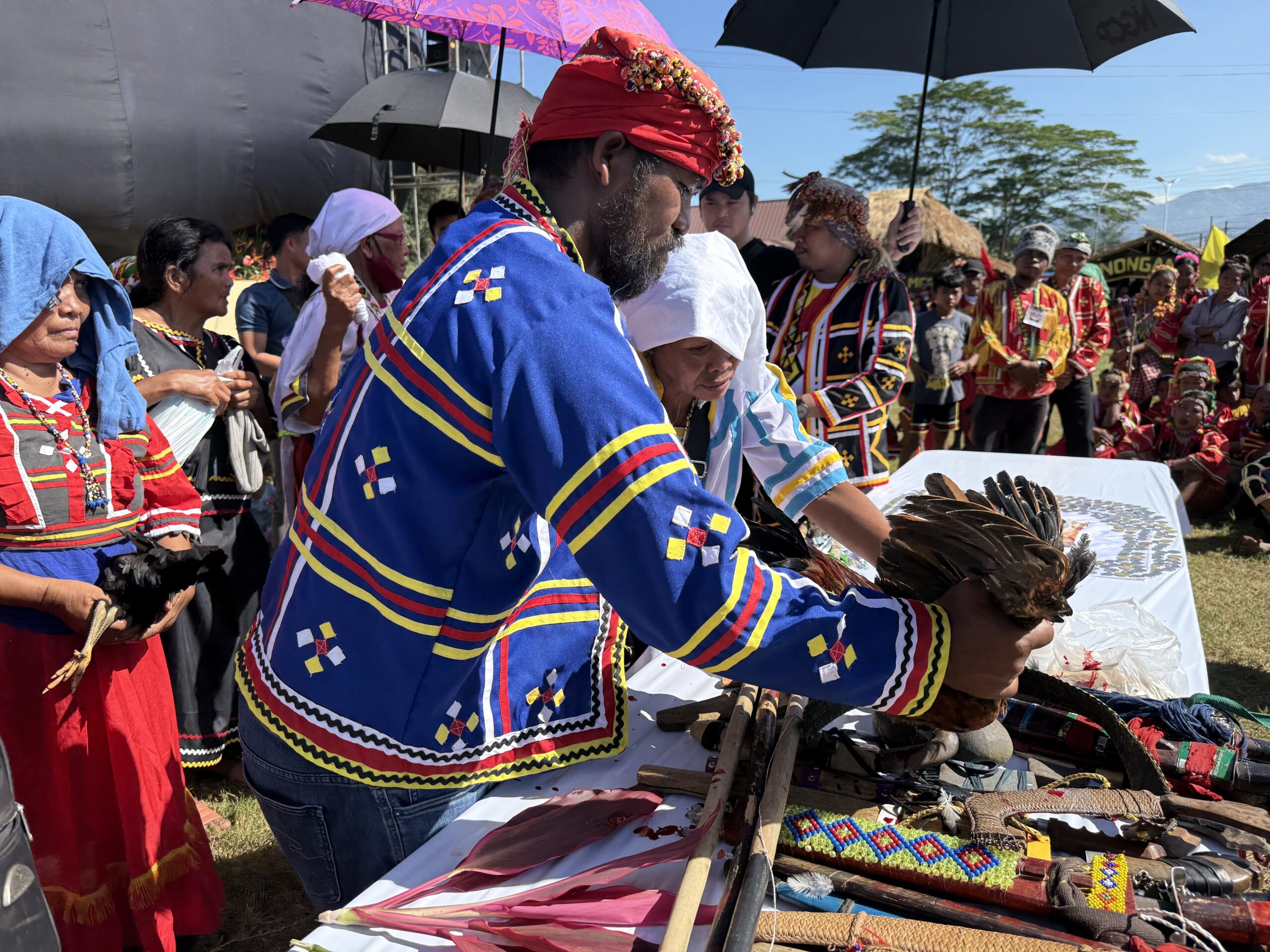
Lorenzo said every year, the Manobo come to town and show off their culture, such as “Bag-id ha Kagtubo,” which means building a fire, “Galing hu bato hu Kamala,” which means grinding corn using stone, “Kagpana,” which means using bone and arrow, and "Kag bullet,” which means shooting spears.
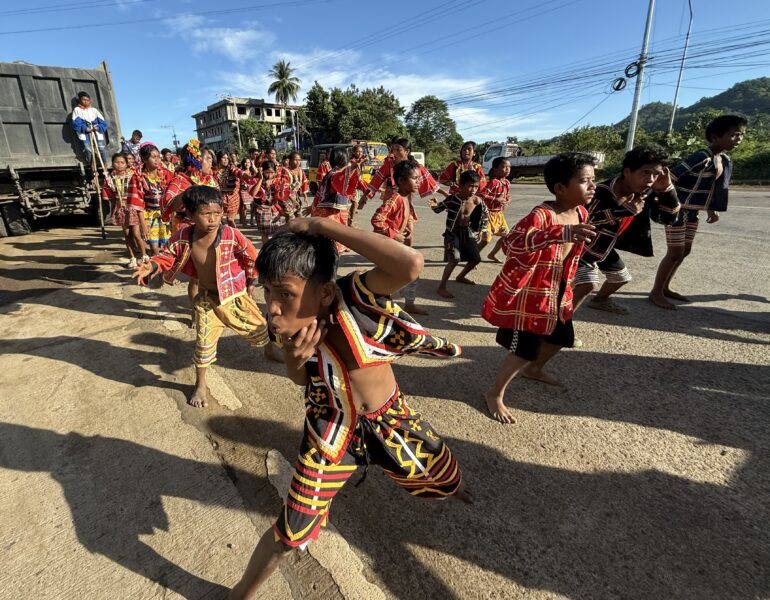
“They give their best showcase in this festival and it gives pride them pride to show their culture,” Lorenzo said as hundreds of Manobo school danced barefoot on the scorching streets of the town last Monday.
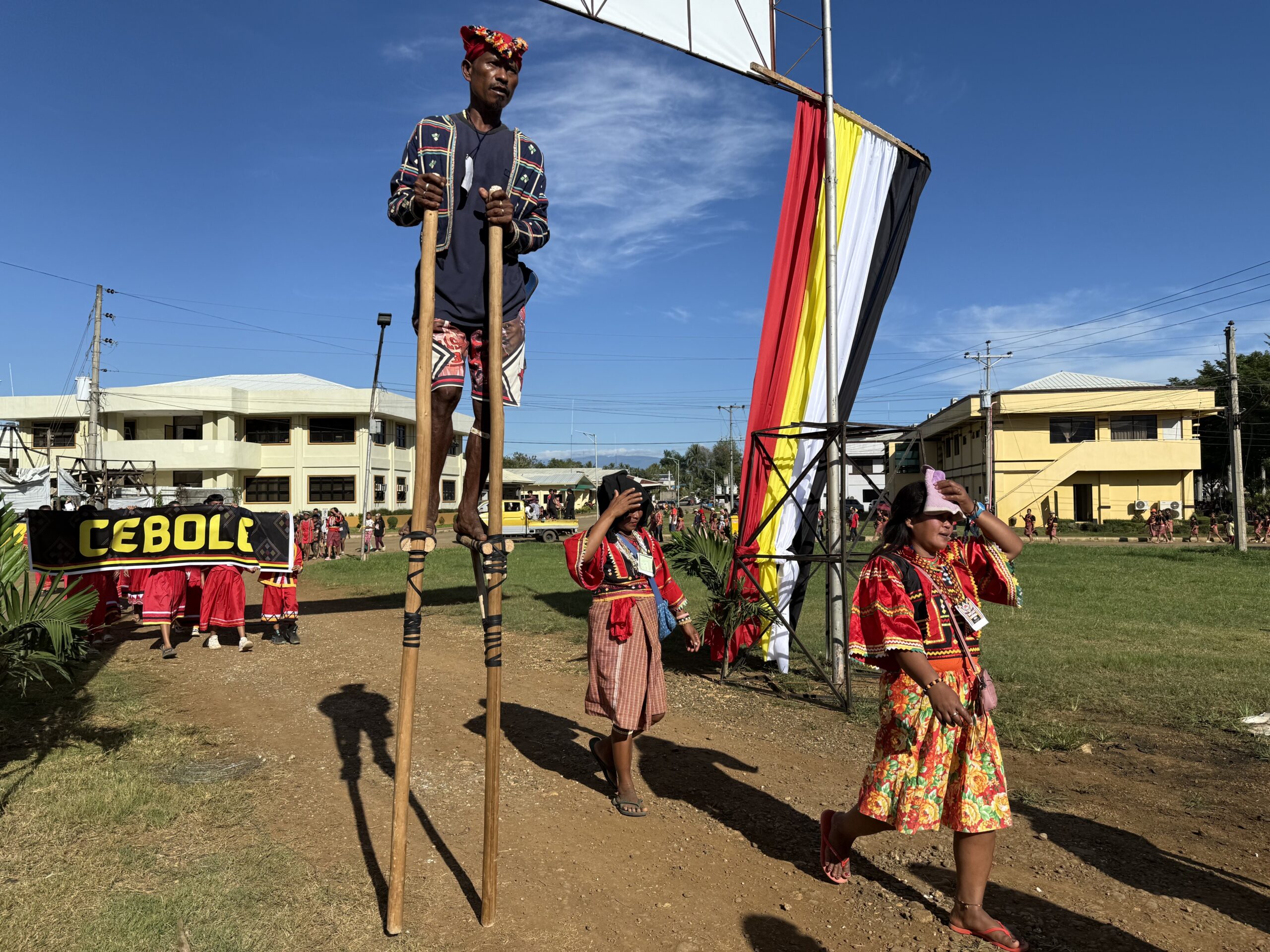
Some children came walking on bamboo stilts locally known as “kadang-kadang” towering over a field of blue and red tribal clothes, the color of the Manobos, and the distinct tribal beat of drums and bamboo instruments.
Lyle Justin Egay, chief of the Quezon public affairs and information office said more than 300 students from the town’s 48 elementary and 14 high schools.
Egay said the Sunggod Teh Kamanga festival started in 2009 to highlight how the Manobos prepare to plant their crops.
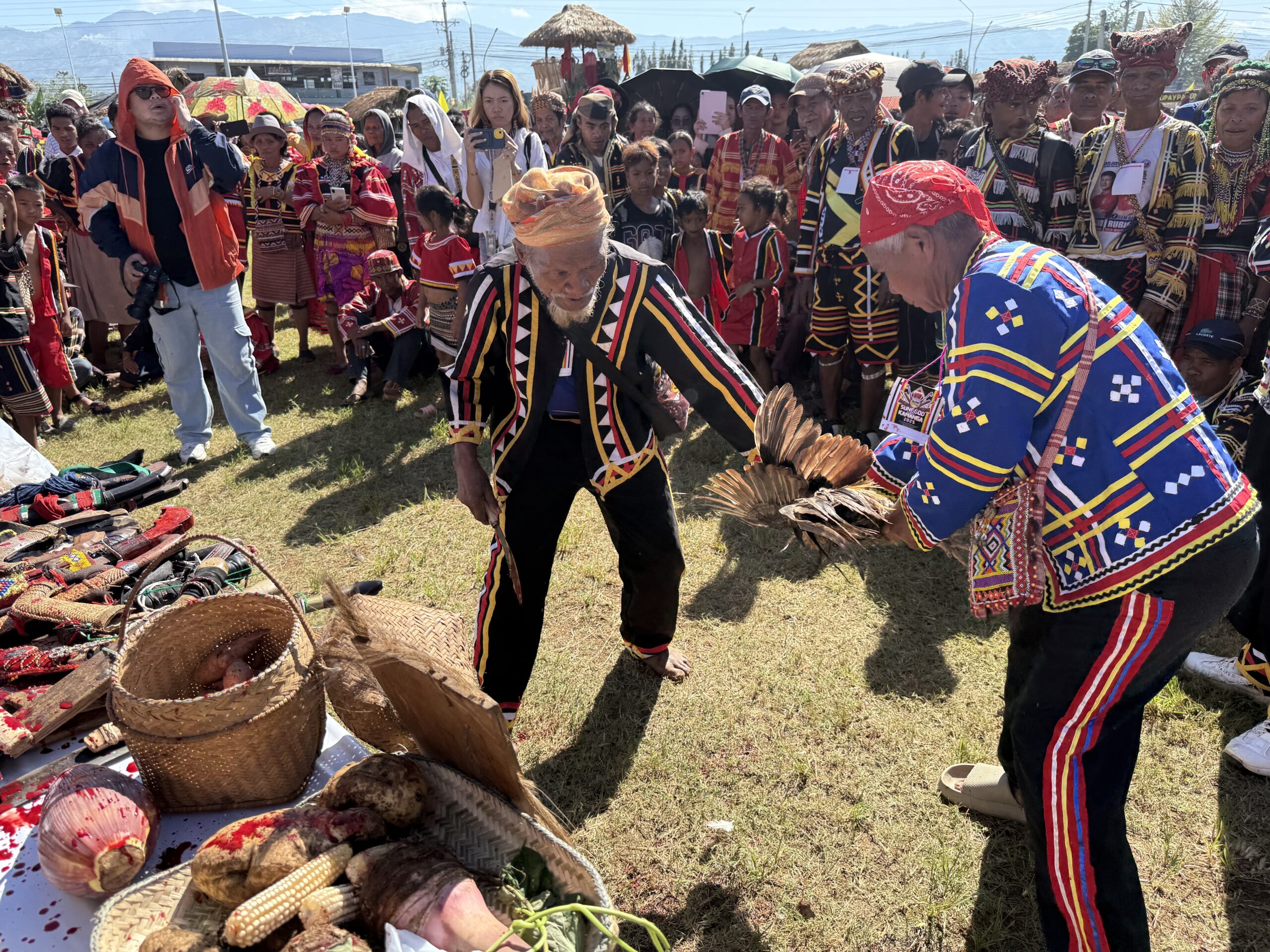
He said the Manobo elders also sprinkle the blood of sacrificed chicken as part of their ritual to ask the gods for a good planting season.
“Everything in the festival is symbolic and has great meaning for the elders who will take note of even where the sacrificed chickens would fell to the ground,” Egay said.
Lorenzo said his town has lent their support to the Manobos and the holding of the festival so long as all the dances and traditional games are “authentic.”
He said this requirement gives the festival more meaning for the Manobos wanting to have space to show their culture.