LEPTOSPIROSIS often resurfaces in public conversation during moments of alarm — after flooding, when messages circulate online, or when illness is quickly blamed on markets, streets, or workplaces.
But health experts say the disease itself is neither new nor unusual. What returns each year is not just the infection, but persistent misunderstanding.
In many parts of the Philippines, leptospirosis is a predictable rainy-season public health risk. Yet confusion about how it spreads — and how it does not — continues to fuel fear alongside legitimate concern.
What is leptospirosis
Leptospirosis is a bacterial infection caused by Leptospira, commonly found in the urine of rats and other animals. The bacteria thrive in wet environments and can survive in floodwater, mud, soil, and contaminated surfaces for extended periods.
Infection occurs when contaminated water:
- Enters open wounds or cuts.
- Splashes into the eyes, nose, or mouth.
- Is accidentally swallowed.
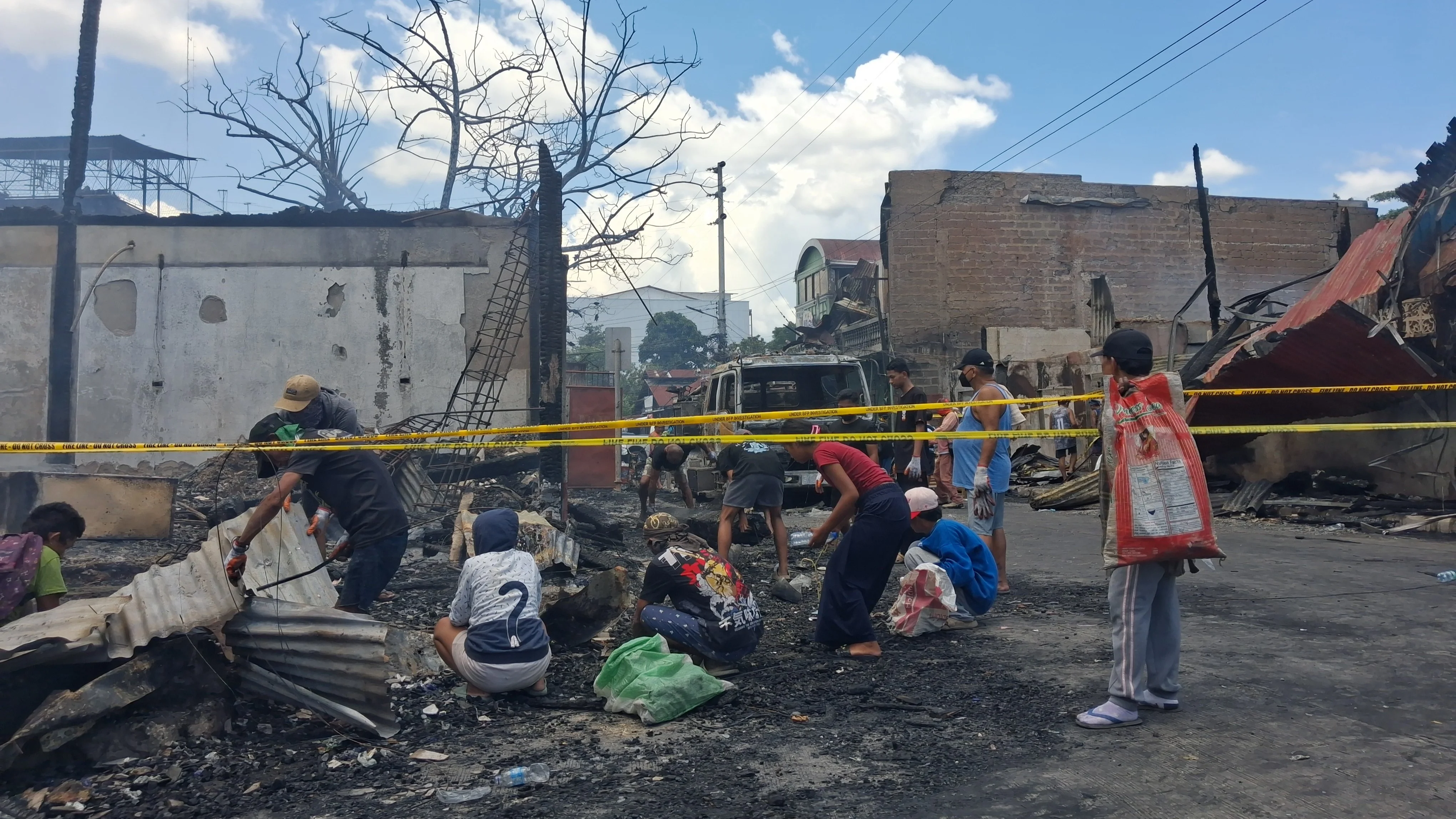
Because exposure often happens during ordinary activities — cleaning homes, reopening stalls, walking through flooded streets, or handling wet goods — many people do not immediately recognize the risk.
Why cases increase during rainy season
Health surveillance consistently shows a rise in leptospirosis cases during and after periods of heavy rain.
Flooding spreads bacteria from animal urine across wider areas and allows it to remain active longer. In densely populated communities, this creates multiple exposure points — from homes and streets to drainage systems, markets, and transport hubs.
Doctors also point out that infections frequently occur after floodwaters begin to recede, when people return to work, clear debris, and resume daily routines.
Symptoms often overlooked
Early symptoms of leptospirosis often resemble common flu, which is sometimes why consultation is delayed. These may include:
- Fever
- Headache
- Muscle pain, especially in the calves
- Abdominal pain
- Nausea or vomiting
- Red or irritated eyes
If untreated, the infection can lead to kidney failure, liver damage, internal bleeding, and death. Health workers emphasize that early diagnosis and prompt treatment greatly reduce the risk of severe complications.
Why rumors spread — and why verification matters
During the rainy season, illnesses and deaths are sometimes quickly attributed to leptospirosis without confirmation. Health authorities caution that not all flood-related illnesses are caused by the disease, even when symptoms appear similar.
Suspected cases are verified through hospital and laboratory records, death certificates, and epidemiologic investigation.
Officials warn that misinformation can cause panic, unfairly stigmatized communities or workplaces, and divert attention from effective prevention. At the same time, they stress that false alarms should not lead to complacency — leptospirosis remains a real and recurring threat.
Reducing risk through practical precautions
Health experts advise simple but effective measures during and after flooding:
- Avoid wading in floodwaters when possible.
- Cover cuts or wounds with waterproof bandages.
- Wear boots or protective footwear in wet environments.
- Wash thoroughly with soap and clean water after exposure.
In many communities, preventive antibiotics such as doxycycline are provided during flood incidents, particularly for individuals with known exposure.
Clean spaces, shared responsibility
Sanitation plays a crucial role in prevention. Poor waste disposal, stagnant water, and clogged drainage systems attract rodents, increasing contamination risks in residential areas, markets, and workplaces.
Public health officials stress that preventing leptospirosis is not solely a government responsibility — it also relies on community hygiene, responsible waste management, and accurate information sharing.
When to seek medical help
Anyone who develops symptoms after exposure to flood waters should seek immediate medical consultation — even if symptoms appear mild. Early treatment saves lives.
Beyond fear, toward understanding
Leptospirosis is not a one-time issue tied to a single rumor or location. It is a recurring rainy-season health challenge — often misunderstood, sometimes underestimated, and frequently surrounded by fear.
Understanding how the disease actually spreads — and how it can be prevented — is one of the most effective ways to protect lives, reduce panic, and respond responsibly as a community.
LEPTOSPIROSIS often resurfaces in public conversation during moments of alarm — after flooding, when messages circulate online, or when illness is quickly blamed on markets, streets, or workplaces.