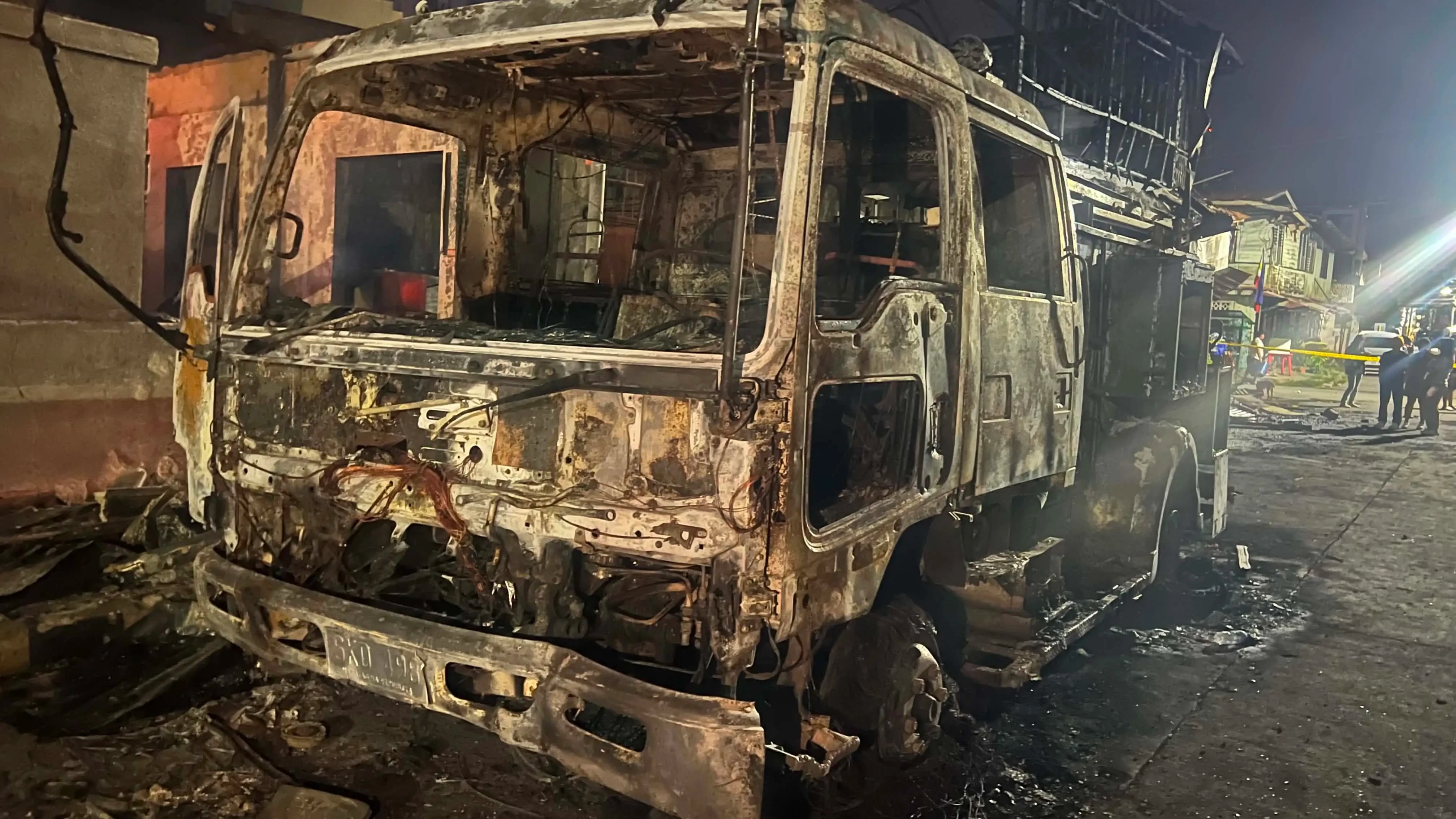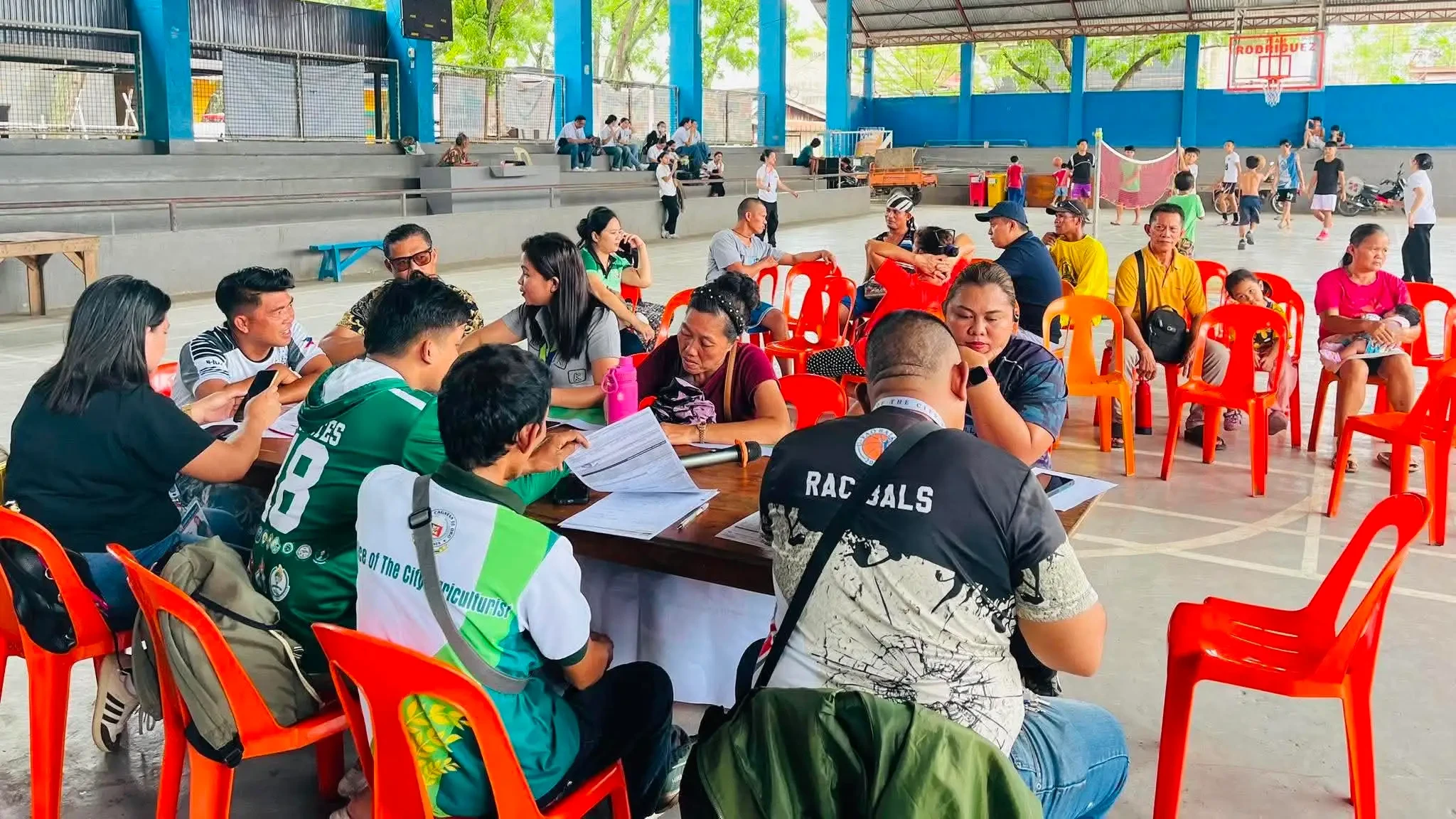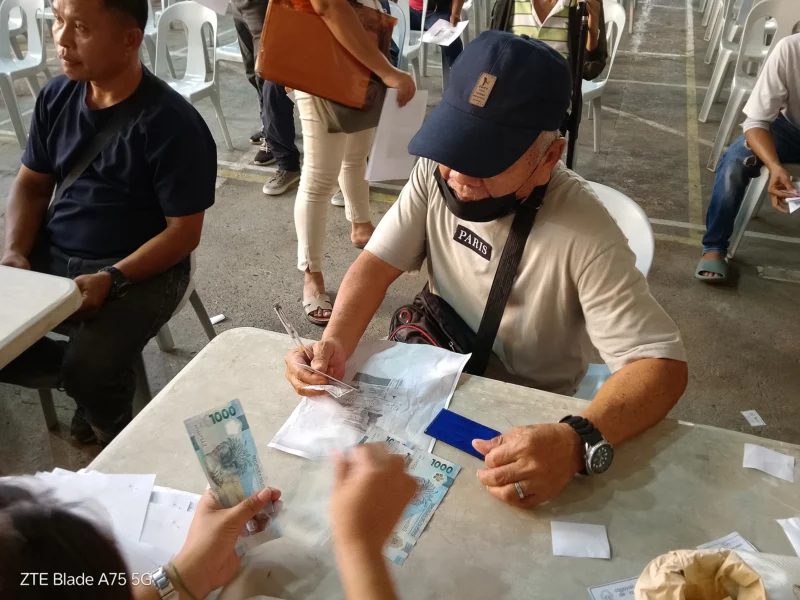
CAGAYAN DE ORO — Motorela owner Nestor Sadura held up five crisp P1,000 bills handed to him by a government agency to help ease the sting of soaring fuel prices—an economic ripple from a war thousands of miles away.
Moments later, Sadura pulled out two more P1,000 bills, bringing the total assistance he received to P7,000, part of government efforts to cushion transport workers from the fuel shock and prevent a repeat of the COVID-19 pandemic fallout when businesses shut down and thousands lost their livelihoods.

“This is enough for my family to survive for one or two weeks. I hope fuel prices will go down by then,” said the 64-year-old driver, who still operates his motorela.
Sadura was among thousands of motorela drivers who received P5,000 cash aid under the Department of Social Welfare and Development’s Assistance to Individuals in Crisis Situation (AICS) program.
Read also: Oro declares energy emergency, unlocks aid fund
Another operator, Rodan Almoano, said the P7,000 combined assistance—including P2,000 from the Cagayan de Oro city government—would sustain his family of five for only about two weeks.
“My eldest is in high school, and my wife has no job because she’s caring for the children,” Almoano said.
He recalled that before the war in Iran erupted last February, motorela drivers could earn up to P1,000 a day due to lower fuel prices.
“Now, with gasoline at about P100 per liter, drivers earn only around P400 a day,” he said.
Drivers who do not own their motorelas are worse off, he added, since they must pay about P250 daily in rental fees.
Around 1,600 motorela drivers received the combined assistance as the city government declared a state of energy emergency and unlocked P441 million in calamity funds for affected drivers and residents.

The DSWD-10 also distributed P5,000 each to drivers in the cities of Cagayan de Oro, El Salvador, Gingoog, Malaybalay, Valencia, Tangub, Oroquieta, and Ozamiz.
Councilor Eric Salcedo said the aid offers only temporary relief.
“We need a sustainable solution. Otherwise, the LGU and national agencies will eventually run out of funds if the war drags on,” Salcedo said.
To further cushion drivers, the City Council approved a new fare matrix allowing motorelas to charge P14 minimum fare for regular commuters and P11 for students, senior citizens, and persons with disabilities.
Councilor Marlon Tabac, however, noted that operators of modern jeepney transport cooperatives were not included in the assistance package.
He said the city’s 42 transport cooperatives are now operating only about 50 percent of their fleets.
“Some units have even stopped using air-conditioning to save on fuel, to the detriment of passengers,” Tabac said.
Abigail Malalis, board member of the Canitoan Transport Cooperative (CATRANCO), said only five of their 11 modern jeepneys are currently plying the Canitoan–Cogon route.
The cooperative has implemented a rotational scheme for drivers as diesel prices surged to P150 per liter.
A federation of modern jeepney cooperatives has also temporarily suspended operations over the weekend due to the spike in fuel prices.