THE path to lasting peace in Marawi City remains fragile eight years after the 2017 siege, as thousands of families continue to face prolonged displacement, limited government support and a lack of answers about missing loved ones, the International Committee of the Red Cross (ICRC) said Thursday.
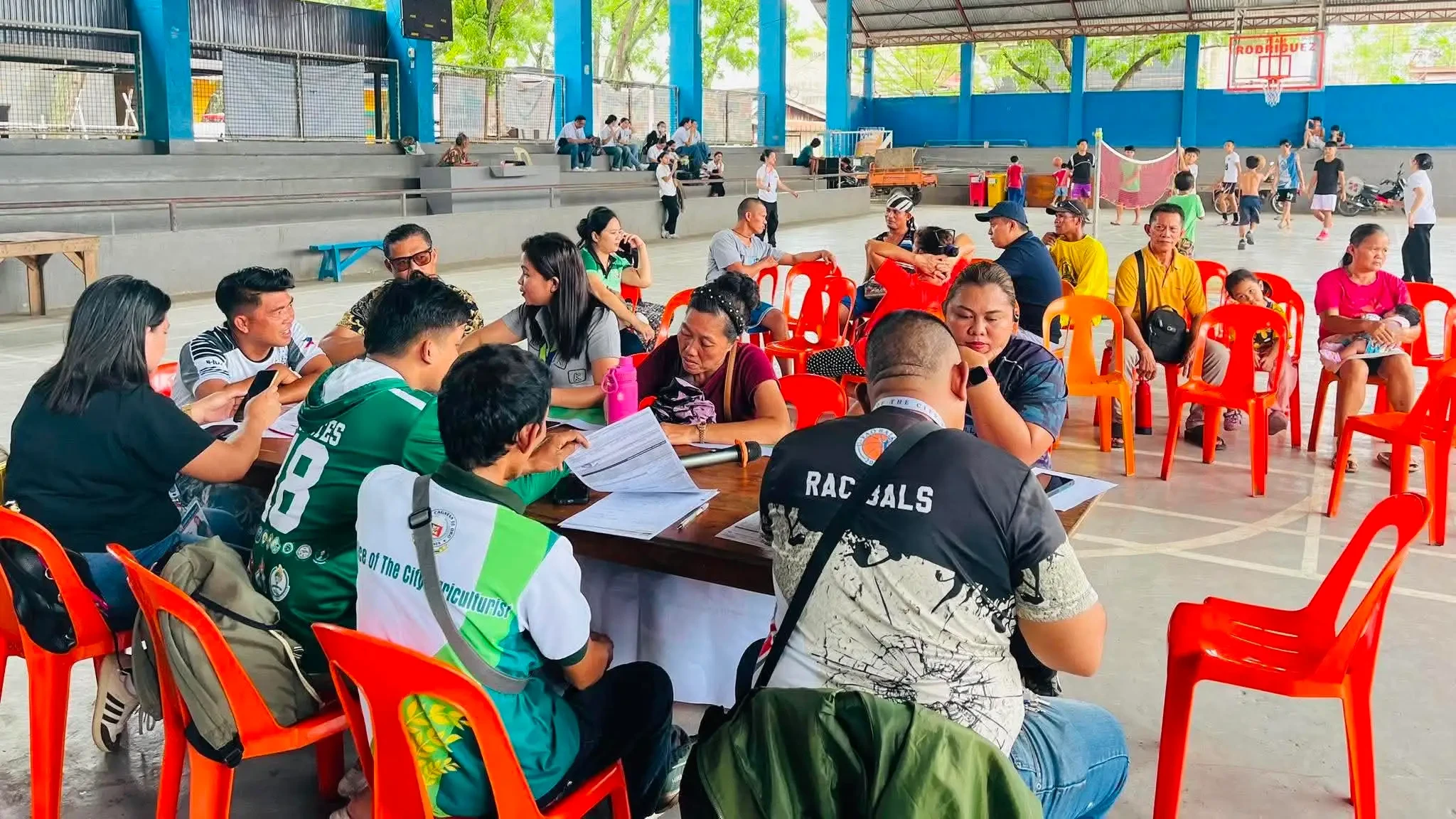
“It is disheartening to see so many families — around 8,200 people — living in inadequate conditions in shelters that were meant to be temporary. They are now paying rent and yet have irregular access to clean water, adding immense strain to their daily lives,” said Johannes Bruwer, head of the ICRC delegation in Manila.
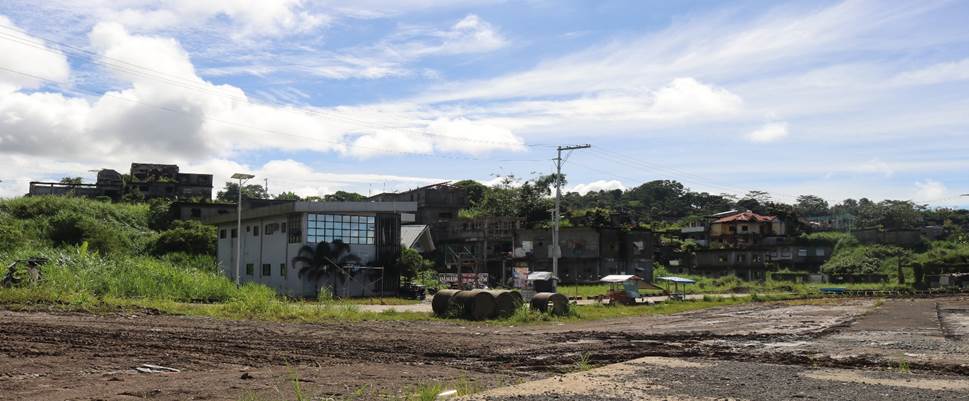
While the Philippine government has made progress — including infrastructure construction in the most affected areas and the establishment of the Marawi Compensation Board — many displaced families say rebuilding their homes remains out of reach.
Some cite insufficient compensation and burdensome documentation requirements as major obstacles.
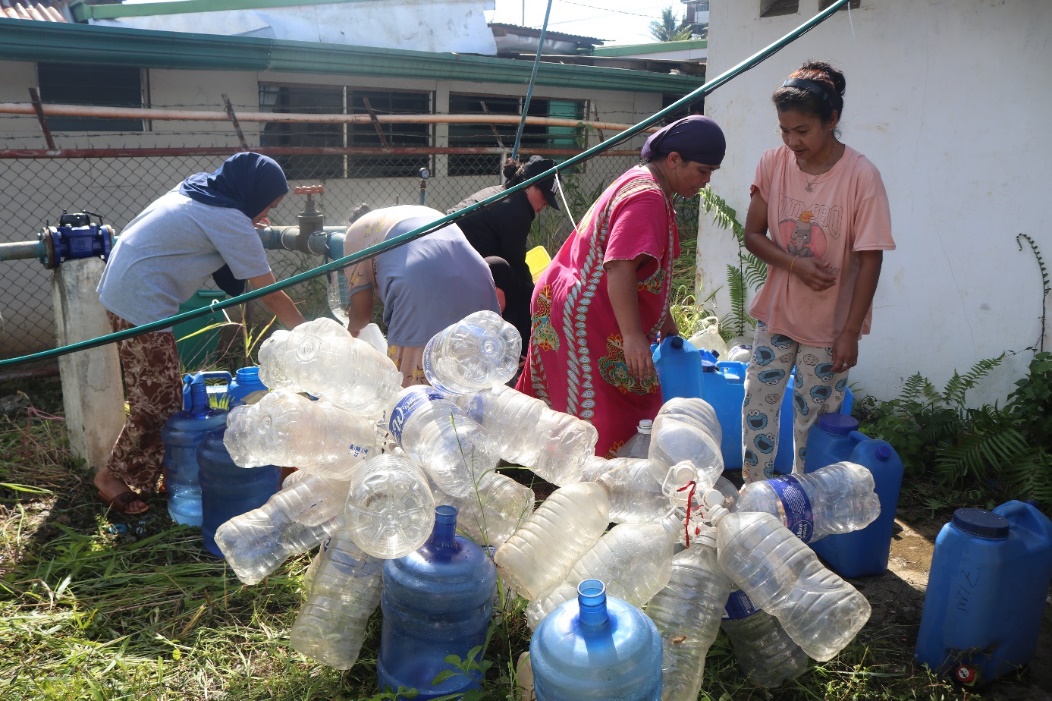
The ICRC is calling on national, regional and local governments, especially newly elected officials, to expedite the rebuilding process in the most affected area and ensure basic services are accessible to those still in transitional shelters.
“Eight years is a long time; people have been displaced for far too long. Returning to their neighborhoods is a step toward normalcy and a necessary part of their healing. Ensuring their full recovery is not only a humanitarian imperative but also key to lasting peace,” Bruwer said.
The ICRC has supported water access in parts of Marawi and urged government agencies to complete remaining pipeline work in the city’s water supply network.
Over 300 Still Missing
Since the conflict, more than 300 people have been reported missing. The ICRC continues to advocate for their families, who are left in emotional and legal limbo without confirmation of their loved ones’ fate.
The Geneva Conventions, to which the Philippines is a party, obligate signatories to prevent people from going missing and to account for those who do.
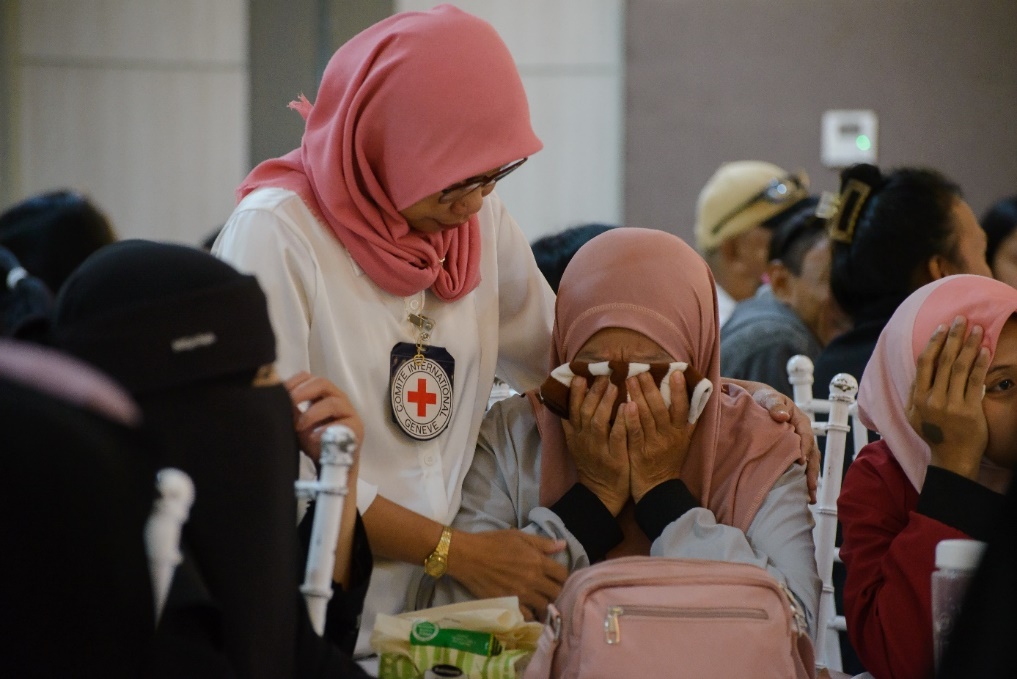
Families of the missing face legal barriers, such as difficulty obtaining documentation of absence or presumed death — a key step in accessing social benefits, pensions and property rights.
From 2017 to 2024, the ICRC supported over 400 families through mental health services, psychosocial support and livelihood initiatives.
It has also provided technical assistance to the Philippine National Police-Forensic Group in identifying remains buried in Maqbara and Dalipuga cemeteries.
“We urge the Philippine authorities to provide answers as soon as possible. Clarifying the fate and whereabouts of the missing, and identifying the remains found, will help families begin healing and rebuild trust in institutions,” Bruwer said.
“Beyond just remembering the missing people of Marawi, let us realize their families’ shared hope for more support and for closure. So that they can move forward with peace in their hearts,” he added. (ICRC)