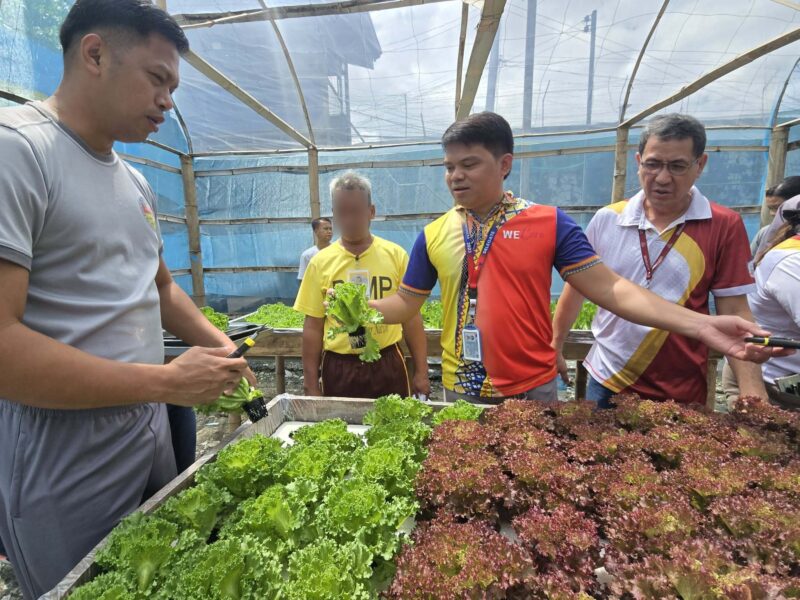
THE Iligan City Jail turned its detention walls into grounds for sustainable urban agriculture Thursday, launching a "Green Eco Hub" in partnership with the Mindanao State University-Iligan Institute of Technology.
Part of the "Behind the Bars Project," the initiative integrates hydroponics, organic composting and waste management. Organizers aim to promote rehabilitation, self-sufficiency and environmental awareness among persons deprived of liberty.
Warden Carmelo A. Corsame of the male dormitory said the project demonstrates that rehabilitation can be eco-friendly.
“Our PDLs are not only growing vegetables; they are growing second chances,” Corsame said.
The program aims to enhance food security within Bureau of Jail Management and Penology facilities, provide livelihood training and strengthen academic partnerships.
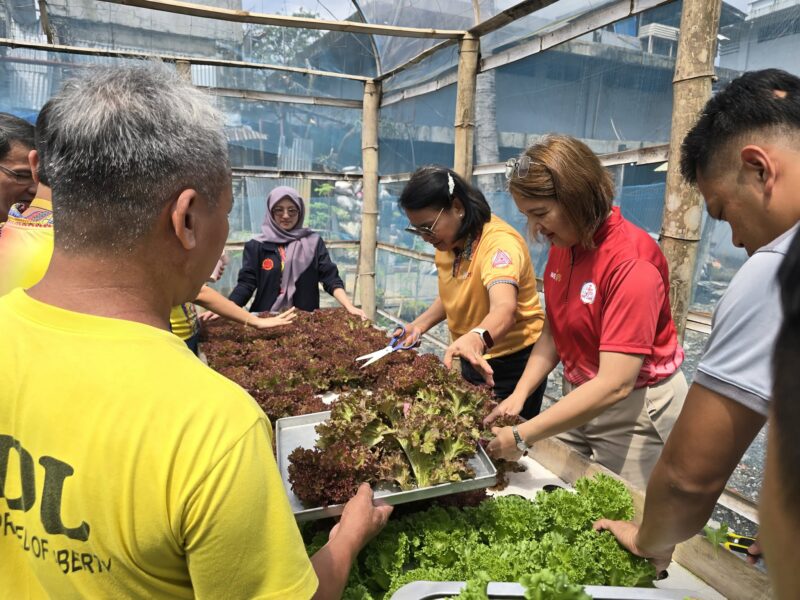
Warden Krizza Jane C. Bermudo of the female dormitory described the hub as a symbol of renewal.
“For our female PDL, tending to plants means tending to their future,” Bermudo said. “Through this initiative, they learn skills, embrace sustainability, and discover that growth is possible even in confinement. Together, we cultivate resilience, dignity, and second chances.”
Karl C. Ondoy, the project team leader from MSU-IIT, said the university contributes research and technical expertise, while the jail bureau provides the greenhouse facilities and operational support.
The collaboration seeks to establish a replicable, self-sufficient agriculture hub that integrates green technologies.
Dr. Rosario Reserva, director of the university’s WE CARE Program, emphasized the initiative's broader impact during the launch.
“Green Eco Hub: Greening Second Chances — Empowering lives, cultivating change, and nurturing sustainability through partnership and innovation,” Reserva said.