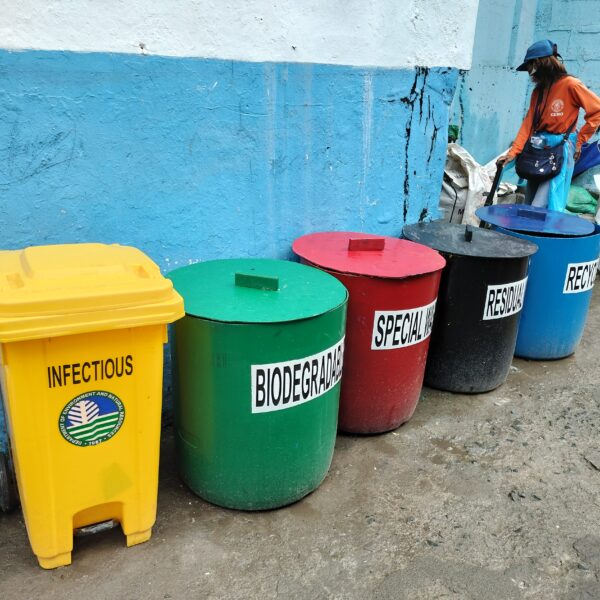
WITH nearly 400 dengue-related deaths reported this year, the EcoWaste Coalition has called on the public to properly manage waste to prevent the creation of mosquito habitats in homes and communities.
The environmental health group also urged the country’s more than 42,000 Barangay Councils to lead efforts in implementing Republic Act 9003, the Ecological Solid Waste Management Act, in every household, institution, and neighborhood.
The law mandates waste segregation at the source to promote the reuse, recycling, and composting of resources while protecting public health and the environment. It also prohibits littering and dumping waste in public places.
“We appeal to the general public to mind their trash and avoid the reckless disposal of discards, which can collect water and serve as breeding sites for dengue-causing mosquitoes,” said Ochie Tolentino, Zero Waste Campaigner for the EcoWaste Coalition.
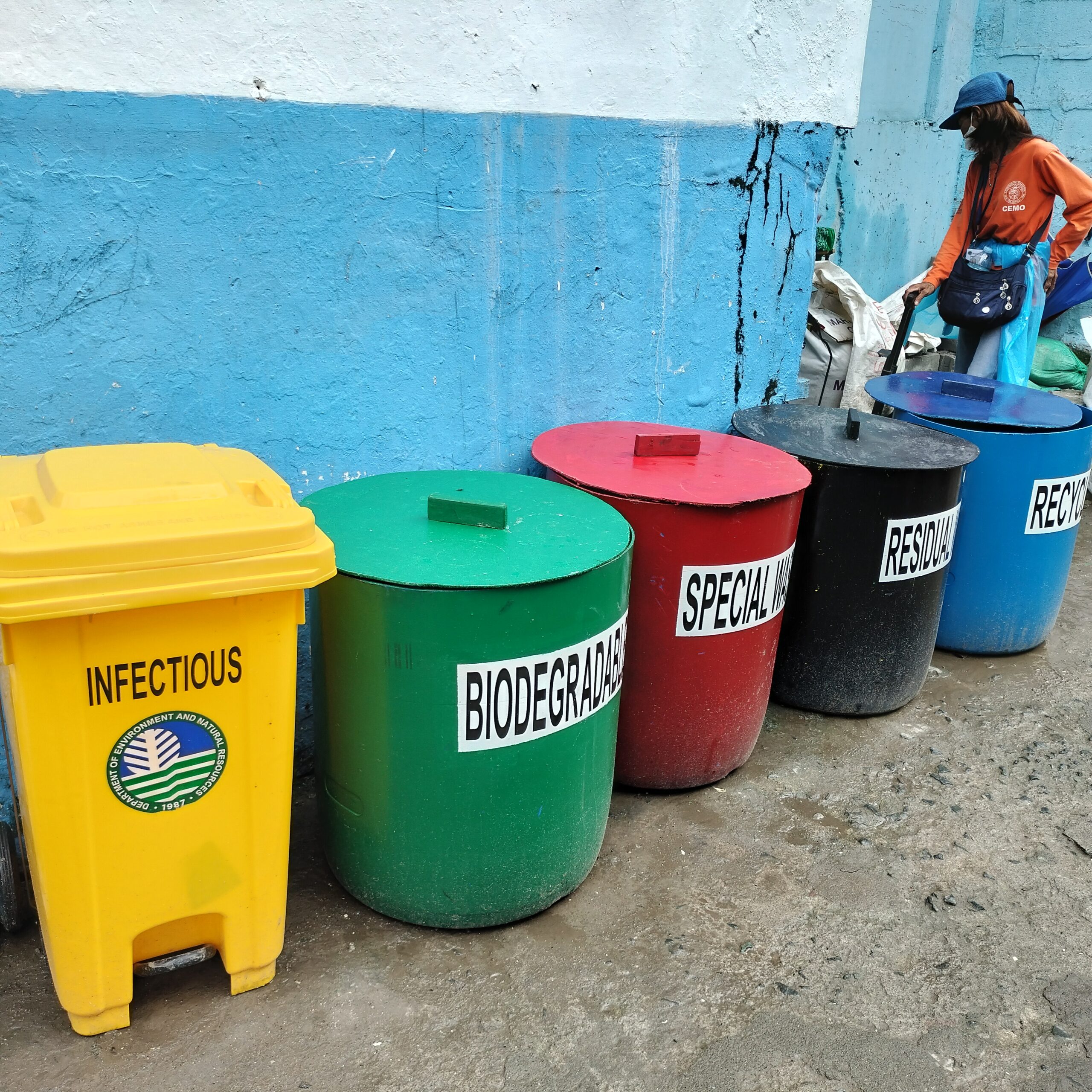
Plastic bags, bottles, caps, tin cans, old appliances, and tires can collect water, providing breeding grounds for Aedes aegypti mosquitoes, the primary dengue carriers.
Tolentino urged Barangay Councils and Barangay Ecological Solid Waste Management Committees to take the lead in educating and mobilizing residents to manage waste in an eco-friendly manner to prevent dengue and other diseases.
“Success in eliminating dengue vectors depends on family and community members doing their part to remove mosquito breeding sites and keep our surroundings waste-free,” she added.
To support a dengue-safe community, the EcoWaste Coalition encouraged citizens to follow eco-friendly practices such as segregating waste, cleaning areas with standing water, clearing roof gutters, covering water containers, and regularly cleaning pet bowls and plant pots.
The group also warned against using unregistered mosquito repellents and insecticides, which may pose health and environmental risks.