CAGAYAN DE ORO CITY - Digital platform workers from across the country have formed a national association to push for stronger labor rights and protections as rising fuel, food, transport, and electricity costs continue to squeeze their earnings.
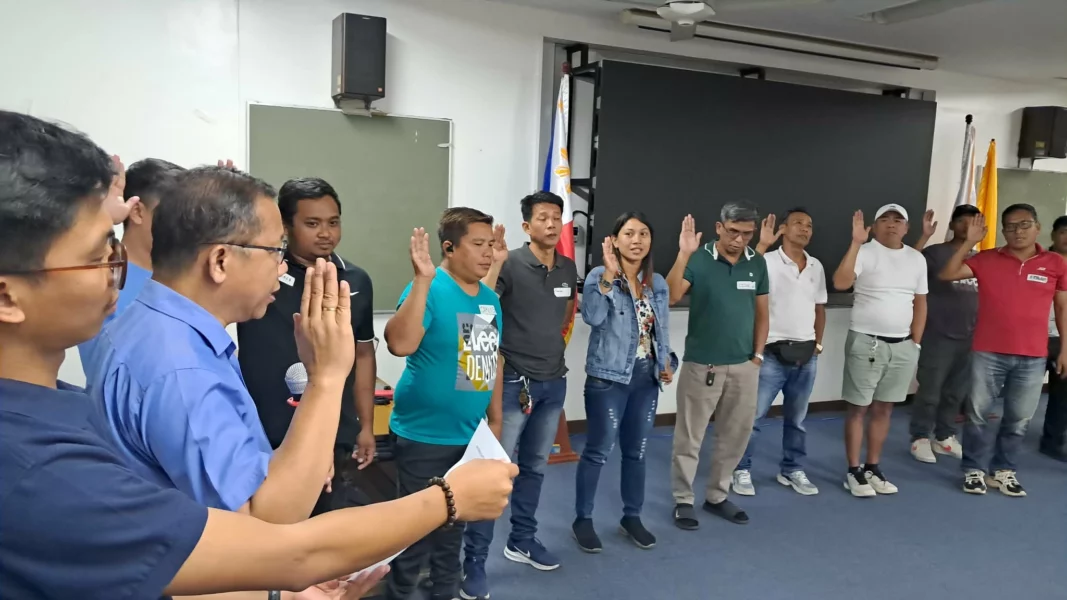
Supported by the Federation of Free Workers (FFW), riders, drivers, delivery workers, and virtual assistants launched DigitALL Workers Pilipinas–FFW during a general assembly at the Occupational Safety and Health Center in Quezon City over the weekend.
Elected as founding president was Dick Pacioles, head of the Ninja Van Riders Union–FFW, while Ferdinand Cusi, president of the United Rank-and-File Employees Union of J&T Express–FFW, was chosen as vice president.
The new association aims to unite workers in parcel and food delivery, ride-hailing services, logistics, and other platform-based jobs to advocate for fair pay, social protection, and recognition of their rights in the country’s rapidly expanding digital economy.
Major platforms like Grab, Lazada, and Angkas sent representatives to the assembly, signaling a major shift in the digital labor market.
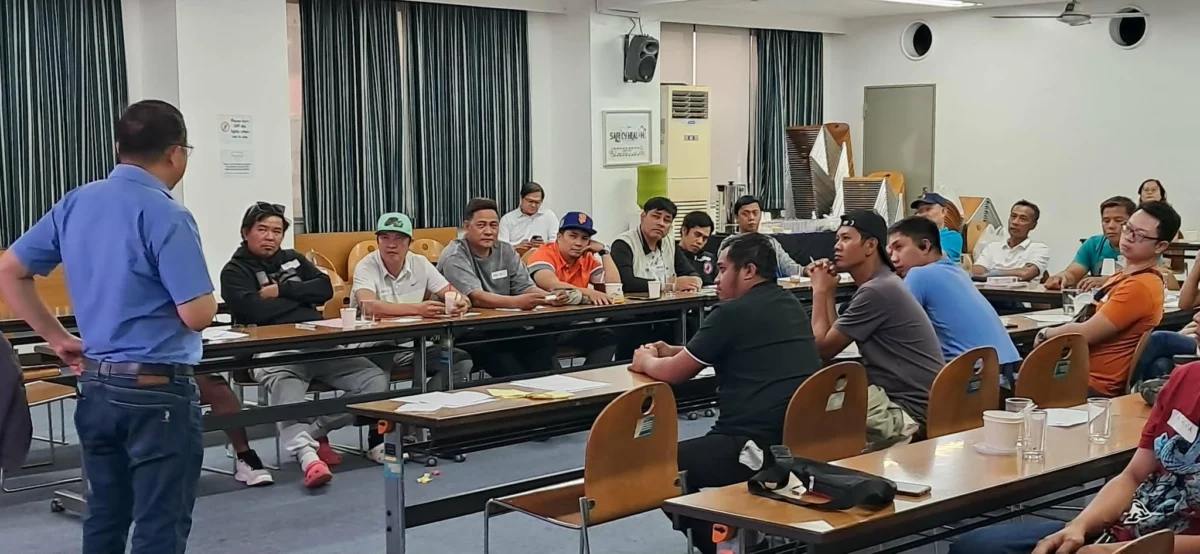
Pacioles described the formation of the organization as a “historic moment” for digital workers seeking to strengthen their collective voice nationwide.
Following a landmark NLRC ruling in December 2025, his union successfully reinstated and regularized 131 Ninja Van riders.
Fairwork studies estimate that over 500,000 Filipinos now work in logistics, delivery, and ride-hailing platforms.
Worker recognition
In response to questions from Mindanao Gold Star Daily, FFW president Sonny Matula said the starting point for addressing digital workers’ issues is recognizing the reality of their work rather than how companies label them.
“Digital workers perform core business functions—delivery, transport, logistics—under systems controlled by platforms through algorithms, ratings, and incentives. Those already show elements of control and dependence, which are hallmarks of employment,” Matula said.
He cited recent Supreme Court rulings recognizing riders as regular employees rather than independent contractors, including cases involving Lazada.
Matula urged the government and platform companies to take several steps. First, they should adopt a legal presumption that platform workers are employees. Second, they must guarantee basic labor rights regardless of classification. Finally, they should institutionalize worker representation in national policymaking bodies.
“In short, whether employee or contractor, no worker should fall below a floor of rights,” he said.
Economic pressure on digital workers
Matula warned that inflation disproportionately affects digital workers who pay for their own fuel and maintenance.
“Digital workers are uniquely exposed to inflation because they absorb operating costs directly—fuel, maintenance, data, and even depreciation of their vehicles,” he said.
When oil prices rise, he explained, workers’ income shrinks as operating expenses increase while platform rates remain unchanged.
Matula called for targeted support for ride-hailing and delivery workers. These measures include fuel subsidies and cash assistance. He also demanded automatic fare adjustments tied to fuel prices. Finally, he urged for greater transparency in platform pricing algorithms.
He also urged expanded access to social protection programs like SSS and PhilHealth with shared contributions from digital platforms.
“The principle is clear: workers should not be forced to shoulder all the risks of a volatile economy,” Matula said.
Impact of digital worker organizing
Matula said the formation of DigitALL Workers Pilipinas–FFW could reshape the future of work in the country by giving digital workers a collective voice in policymaking and industry standards.
“When a worker stands alone, the algorithm is the opponent. But when workers are organized, they gain a voice in government and in companies,” he said.
According to Matula, the new association could influence policy discussions on legislation for platform workers, strengthen representation in national tripartite consultations, and push for industry-wide standards on fair pay, transparency, and due process.
“As the platform economy grows, its governance will depend on whether workers remain isolated or become organized,” he said.