CAGAYAN DE ORO CITY — With electricity costs already straining households and businesses, Mindanao consumers are urging the government to keep power rates from rising as it plans the rehabilitation of the Agus-Pulangi Hydroelectric Complex.
The Consumers for Renewable Energy Action in Mindanao (CREAM) warned that any increase in generation rates could further burden families already coping with high fuel and living costs.
“For ordinary consumers, even small hikes in power rates mean higher bills every month,” the group said, calling on the Power Sector Assets and Liabilities Management (PSALM) to maintain the current rate of around ₱3 per kilowatt-hour after rehabilitation. At this level, the complex is already generating about ₱9 billion annually for the national government.
CREAM also urged PSALM to adopt renewable energy innovations, including integrating hydropower operations with solar energy, and to ensure transparency by consulting consumers—households, businesses, and industries—before making any final decision.
The appeal comes as PSALM reviews competing proposals to rehabilitate the aging facility.
Read also: PMCJ slams Agus-Pulangi privatization, warns of higher rates
A Cagayan de Oro-based firm, Greenergy Development Corporation, has submitted a ₱33.85-billion proposal that includes innovative energy solutions and has gained support from local stakeholders.
At the same time, PSALM is negotiating with a consortium led by San Miguel Global Power Holdings for a larger ₱69.72-billion rehabilitation plan.
Consumer and business groups are also pushing for greater participation of Mindanaoans in the project, emphasizing that those directly affected by power costs should benefit from the complex’s rehabilitation.
The Mindanao Clean Energy Forum has backed initiatives that would modernize the Agus-Pulangi complex while ensuring it remains responsive to the needs of the region.
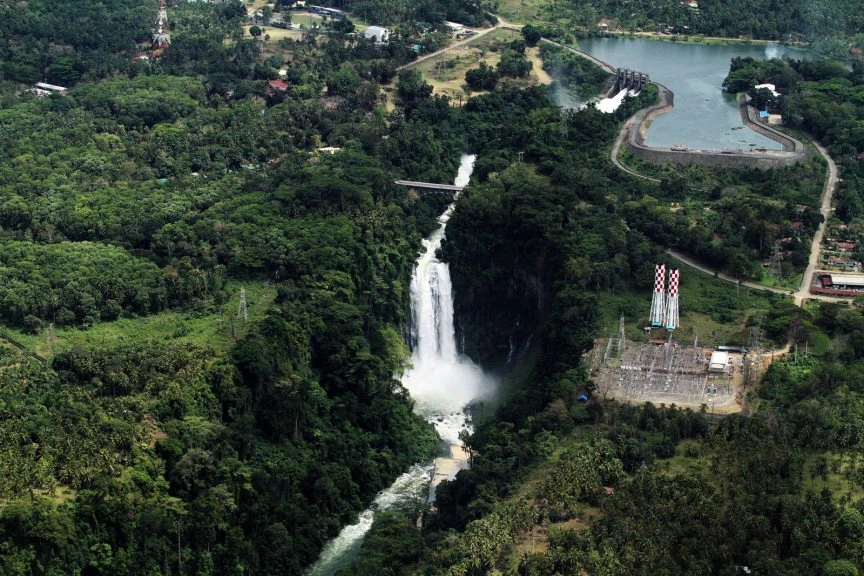
The Agus-Pulangi Hydroelectric Complex, which spans plants in Lanao del Sur and Bukidnon, has a combined capacity of 1,001 megawatts and remains a key power source for Mindanao.
Decisions on its rehabilitation are expected to have a direct impact on electricity rates and energy security across the island.