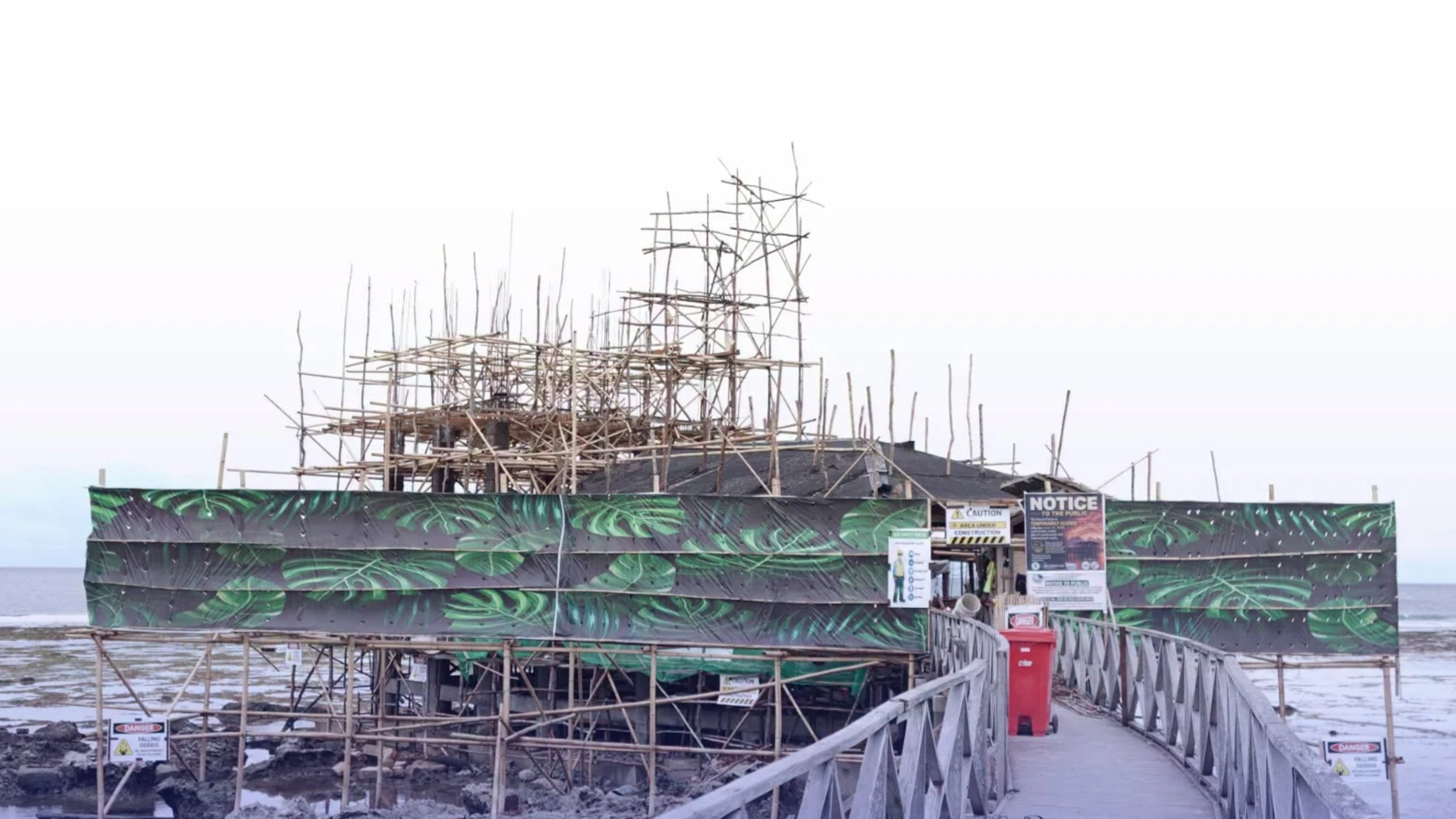
ILIGAN CITY — What began as an ordinary Monday morning quickly turned into a moment of fear and uncertainty for many residents after a magnitude 7.8 earthquake struck off the coast of Sarangani Province on June 8, sending tremors across Mindanao and prompting families to seek safety.
For many in Iligan City, the earthquake was more than a geological event. It became a shared experience marked by concern for loved ones, hurried conversations with neighbors, and a renewed awareness of the importance of preparedness during emergencies.
Read our detailed analysis on why the quake hit hard—and triggered a tsunami alert across coastal provinces.
At around 7:37 a.m., residents across the city felt the ground shake. Inside homes, furniture rattled and household items trembled, prompting many people to step outside and check on their families and neighbors. Along residential streets, residents gathered to discuss what had happened and compare experiences.
Some initially mistook the shaking for dizziness or fatigue.
“I thought I was just feeling dizzy because I hadn't eaten breakfast yet,” one resident recalled while talking with neighbors after the tremor.
Related Story: Residents recall quake scare across Normin as regional panic spreads.
Parents Worry for Children
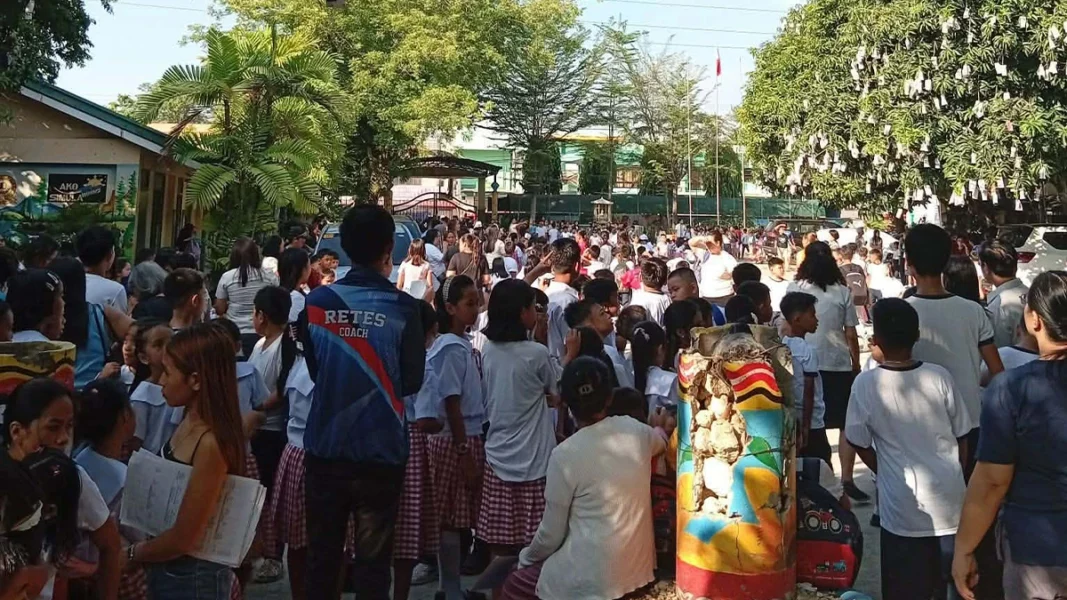
For many families, the immediate concern was the safety of children who had already left for school when the earthquake struck.
Parents exchanged messages, monitored social media updates, and waited for announcements from school authorities. Some considered picking up their children immediately, while others awaited official guidance regarding school safety and class suspensions.
The uncertainty reflected a common concern shared by families throughout the city as information about the earthquake continued to unfold.
School Status in different Northern Mindanao: Classes back in CDO; suspension status varies across Normin
Turning to Phones for Updates
As residents remained outside their homes, many turned to their mobile phones for information. Photographs and videos circulating online showed damaged buildings, fallen debris, and evacuation efforts in areas closer to the earthquake's epicenter.
The images helped residents understand the broader impact of the disaster beyond what they had personally experienced in Iligan. Neighbors shared updates and discussed reports as they awaited official advisories from local government agencies and disaster response authorities.
A Reminder of Preparedness
With seismic activity ongoing, emergency management teams warn that aftershocks loom: What residents should do to protect their households.
Local authorities later suspended classes and conducted inspections of school facilities to ensure the safety of students and school personnel before allowing classes to resume.
Although Iligan City did not suffer the extensive structural damage reported in other parts of Mindanao, the earthquake served as a reminder of how quickly daily routines can be disrupted and why preparedness remains essential.
Beyond casualty figures and damage reports, the earthquake left behind personal stories—parents worried about children, neighbors checking on one another, and communities coming together during a moment of uncertainty.
Days after the tremor, conversations about the experience continue across the city. Yet one question remains at the center of many stories: Where were you when the ground shook?