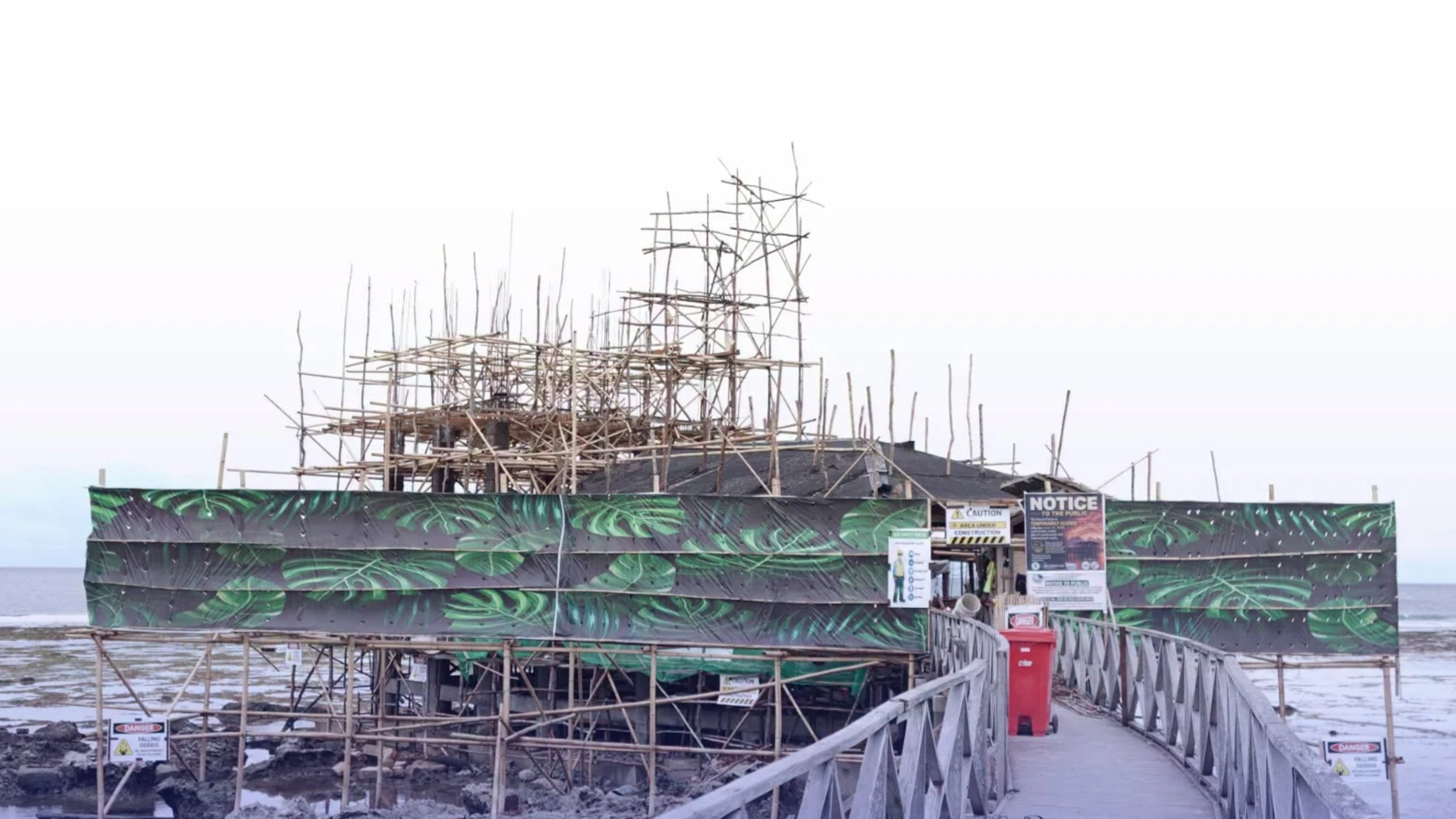
Taking bottles of beer after work used to be my routine. That was when I was in my twenties. Life, back then, had no firm direction, only familiar streets and familiar excuses. After a long day, the night often ended at Padi’s Point along Velez Street, where laughter spilled louder than the music and stories grew taller with every bottle emptied. It felt harmless, even necessary—a way of shaking off the day, a ritual shared with friends who were also figuring things out, or pretending they already had.Q
Sometimes, the night stretched further. We would drift to folkhouses that gave us the illusion of culture and calm—Sage Square Pizza on Corrales Avenue, where conversations felt deeper under dim lights and acoustic music, or Inilog Grill at Tiano Brothers Street, where smoke from the grill mixed with beer fumes and the talk turned philosophical after midnight. And during meals, there always had to be a soft drink. Water felt too plain for a life that believed it needed constant flavor.
Looking back, those routines were not acts of freedom. They were fillers. Ways of occupying time when purpose was still abstract. We did not call it emptiness then. We called it bisyo, pakighimamat, or simply “relax.”
Then life intervened—quietly but decisively.
Marriage came. Children followed. And without ceremony, priorities rearranged themselves. Suddenly, the center of my life was no longer Velez or Corrales but the dinner table at home. Looking after a family is not easy. It demands steady work, emotional presence, and sacrifices that do not announce themselves. You work hard—not for beer money, not for weekend plans—but to meet the proverbial both ends. Rent, tuition, groceries, medicine. Adult life has its own soundtrack, and it is far less forgiving.
With responsibility came reckoning.
The body, unlike youthful confidence, keeps accurate accounts. Years of late nights, sugar, and alcohol began to exact payment. Fatigue lingered. Checkups became more frequent. Warnings were no longer subtle. The lifestyle I once laughed off started taking its toll. Health, I learned, does not collapse dramatically; it erodes quietly.
So I stopped.
I stopped taking cola.
I stopped drinking beer—and any alcoholic drink.
Not out of sudden righteousness, but out of clarity. What once felt essential revealed itself as optional, even disposable. Much ado about nothing.
The evenings did not disappear; they simply changed shape. These days, instead of bottles on the table, I watch travel vlogs on YouTube. I follow trains through European countryside, walk virtually through narrow streets in Italy or quiet squares in Spain. While I may not be able to visit physically the beautiful cities of Europe, at least I know how they look, how they move, how light falls on old buildings. It is a gentler way of seeing the world—without the hangover.
Maintenance medicines now replace cola and beers. It sounds bleak when stated plainly, but it isn’t. It is a conscious trade: indulgence for endurance. There is an old Bisaya saying—“maayong laki sa inom.” A man good at drinking. It used to be said with admiration, as if endurance at the table measured character. Now I hear it differently. Well, there may be one—but I think he is now six feet below the ground.
In my mid-fifties, I enjoy a quieter life. I spend time with my children, watching them grow into their own thinking. I teach in the graduate school during weekends, sharing not only theories and frameworks but lessons shaped by lived experience. Through these, I find new meaning—one that does not shout, does not demand applause, but stays.
Growing older teaches you this: many things we once defended, glorified, or worried about were never that important. They were noise. The real work of living happens in care, restraint, and presence.
In the end, maturity is learning to tell the difference between what truly matters and what never did—and having the courage to let go, quietly, for good.