WHILE water pressure has largely normalized across Cagayan de Oro this week, the supply interruption during the first week of January exposed significant vulnerabilities in the city's health and commercial sectors.
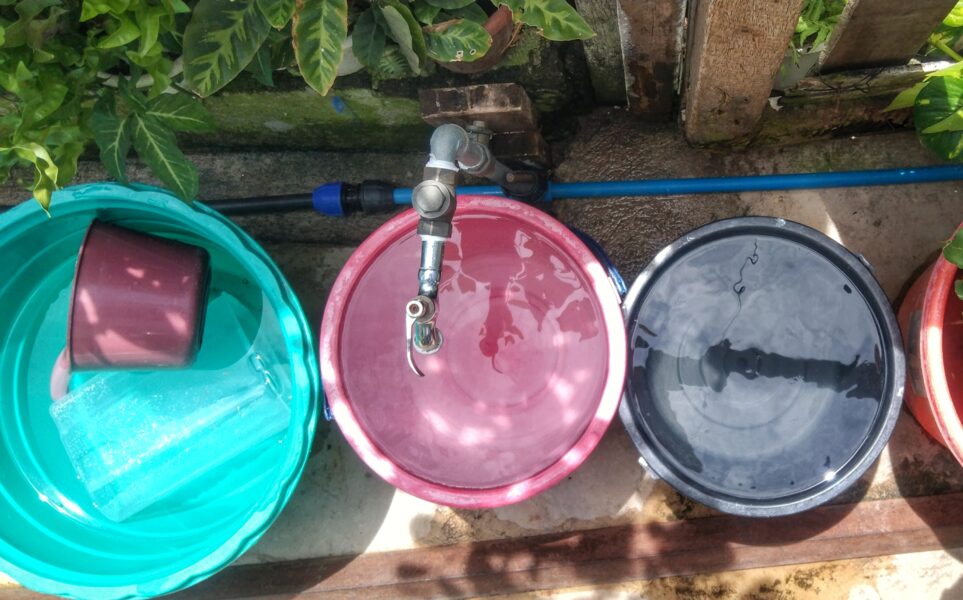
The shortage, which began around Jan. 5, crippled daily operations for critical health facilities and small businesses alike.
MJ Quezon, managing head of Zealep Lifeline Dialysis Center in Barangay Kauswagan, revealed the high stakes of the outage.
“We operate with 90% of water for our center,” Quezon said over the phone.
The lack of supply forced the center into a difficult position. Quezon said they only served four dialysis patients and had to decline others for treatment, which is a detrimental decision for the center to make.
The facility requires about 10,500 liters per day for every patient. Quezon noted that they tried to call the City Hall; however, their tank was not available.
“It was a good thing that the water tanker from the Cagayan de Oro Water District (COWD) has delivered our water needs,” said Quezon.
Lendon Estano, officer-in-charge of building and grounds maintenance for COWD, earlier said in an interview that they have a total of seven water tankers that would also supplement in water delivery, with four water tankers coming from the assistance of cooperatives and the Bureau of Fire Protection.
Economic ripples
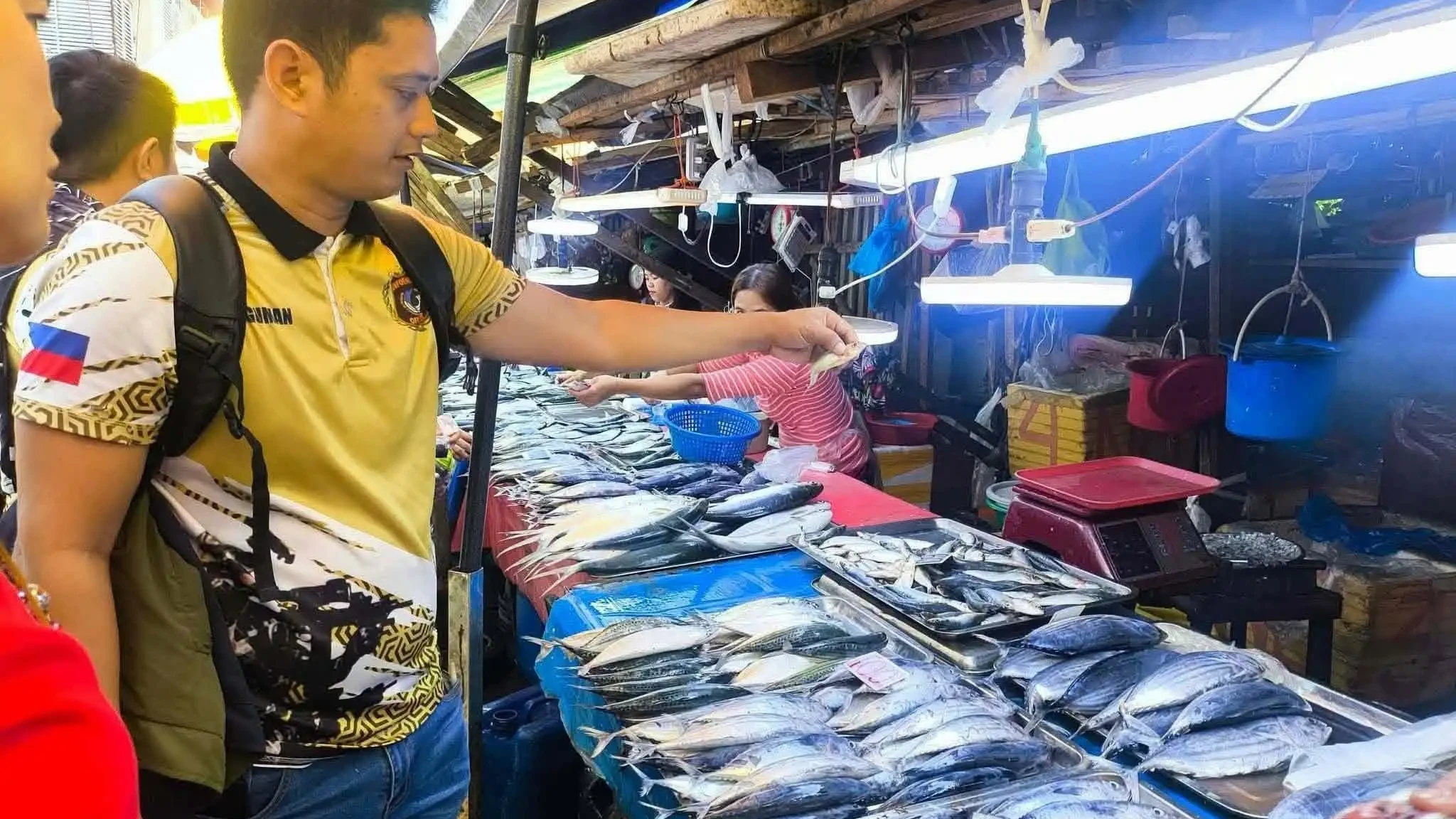
Beyond healthcare, the shortage disrupted the local economy. While there is no available data on total financial losses, business interruptions entailed significant impacts on hospitals, hotels, and food services due to a lack of water for hygiene, cooking, and sanitation.
The shortage struck just as Jasmine, who owns a small eatery along Tibasak Road in Barangay Macasandig, prepared to serve students and renters in her neighborhood. Instead of cooking, she had to close the shop for a day.
“I should have my daily income to cover up for low sales during the Holiday season,” she said.
Cause and recovery
Sharon Neri, division manager of the COWD public relations division, provided a status update over the phone on Wednesday. She confirmed that the water supply in the West Service area normalized on Jan. 6.
“The East Service Area is still at 600 cubic meters per hour,” said Neri, noting that at the moment, their normal supply is at 800 cubic meters per hour.
Neri explained that the disruption occurred when the raw water intake of COWD’s primary supplier, Cagayan de Oro Bulk Water Inc. (COBI), was damaged by large boulders during heavy rains. COBI targeted increasing the water flow within the day.