CAGAYAN DE ORO CITY — A conflict monitoring group has flagged a “resurgence” of attacks in the Bangsamoro Autonomous Region in Muslim Mindanao (Barmm), pointing to a 91% spike over the last year — a trend punctuated by the ambush that killed four soldiers in Lanao del Norte on Sunday, Jan. 23.
Climate Conflict Action (CCAA) released the data Saturday, Jan. 24, warning that the attack in Barangay Lininding, Munai, was not an isolated tragedy but part of an escalating threat pattern driven by deep-seated socioeconomic vulnerabilities.
According to CCAA’s Critical Events Monitoring System, violent extremism incidents nearly doubled from 23 recorded cases in 2024 to 44 in 2025. These incidents resulted in 30 deaths from encounters between the military and the Dawlah Islamiyah, alongside the recovery of high-powered firearms and homemade bombs.
“This resurgence comes at a particularly critical and vulnerable moment. With the Barmm parliamentary elections approaching and the larger electoral contest in 2028 on the horizon, violent extremism has the potential to destabilize an already fragile peace,” CCAA’s advisory reads in part.
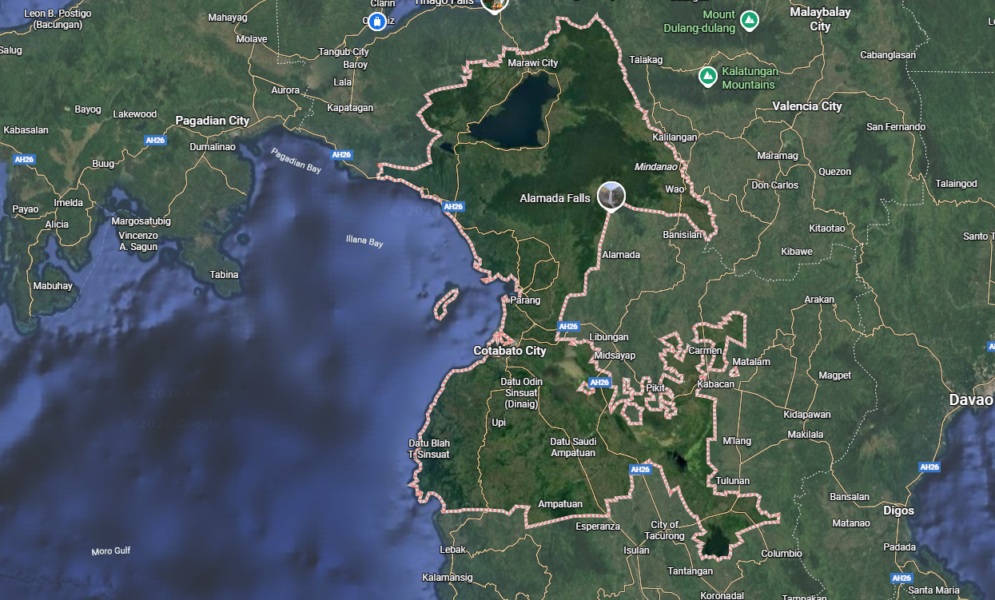
The watchdog group noted that despite previous declarations that certain areas were “ISIS-free,” reports indicate a strong presence of extremist groups in the Lanao and Maguindanao corridors.
The Munai ambush, CCAA warned, proves that the recruitment, training, and operational capabilities of these groups have advanced enough to successfully re-engage state security forces.
Poverty as a driver of conflict
To push back against the threat, CCAA urged the government to move beyond “hard” security responses and address the root causes of extremism, primarily poverty and lack of economic opportunity.
Recent data from the Philippine Statistics Authority (PSA) underscores this urgency.
While Barmm has made strides in reducing poverty, it remains one of the poorest regions in the country.
The latest PSA full-year report placed Barmm’s poverty incidence at 23.5%. The region’s economic growth slowed to 2.7% in 2024, down from 4.3% the previous year, largely hampered by natural calamities affecting its vital agriculture sector.
CCAA emphasized that these persistent economic struggles create fertile ground for extremist recruitment.
The group listed five urgent steps to keep the peace, prioritizing socioeconomic development alongside security.
First, authorities need to keep a closer watch on known trouble areas. Second, instead of relying solely on police force, the government should help former rebels return to normal life through community-based restorative justice.
Third, the government must expand psychosocial support and educational programs for families and the youth so they do not become frustrated and join armed groups. Fourth, the state needs to aggressively create jobs and opportunities so poor communities aren’t left behind.
Finally, CCAA calls on all stakeholders to work together to make sure peace efforts are not sidelined by election preparations.
“The future of the Bangsamoro peace process, and the lives of our youth, depend on comprehensive, rights-based, and effective responses,” the group stated.