By: Jessable Bagulos, Ralfh Comendador, Phoebejean Palluto, Rechel Porras
In the quiet uplands of Barangay Can-ayan in Malaybalay City, Bukidnon, rows of crops stretch across gently sloping land, where the pace of life is shaped by planting, harvesting, and the rhythm of the seasons. Here, visitors are not just passing through—they are invited to observe, learn, and take part in the everyday work that sustains both the land and the people who care for it.
Known locally as Uma ni Candi, or Candiisan Diversified and Integrated Farm, this working farm has grown since its establishment in 2015 into more than a place of production. It has become a space where agriculture, learning, and community life meet, offering a perspective on farming that is both practical and forward-looking. Guided by its identity, “Farming Rooted in Innovation,” the site brings together cultivation, education, and community engagement within a single landscape.
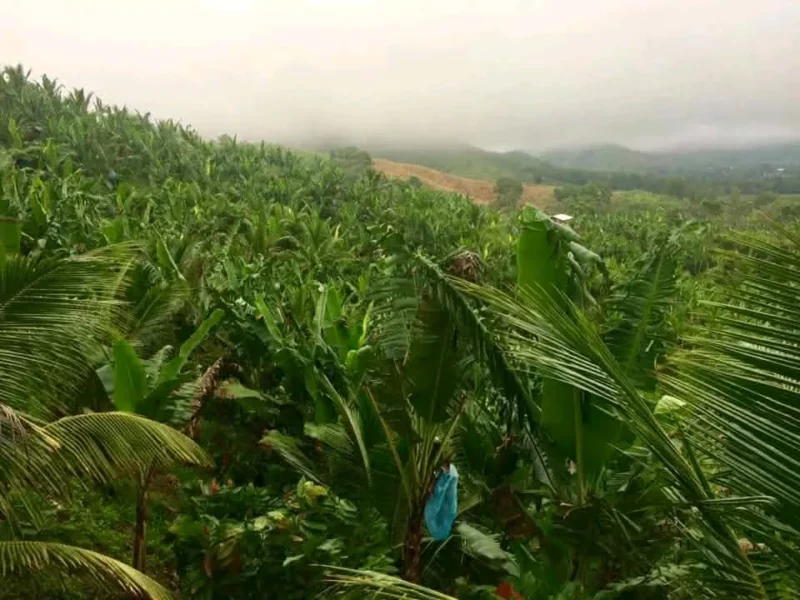
At its core, Uma ni Candi remains a productive farm—but for visitors, it offers an up-close experience of agriculture. Upon arrival, guests pass through a tree-lined entrance with prakatá trees that provide a naturally shaded and refreshing pathway into the space. The gentle rustling of leaves and the cool air create a quiet transition from the busy roads to a slower, more grounded environment. They are then welcomed into the function hall, fondly called the “Office with a View,” where the surrounding landscape unfolds in a scenic overlook. From this point, visitors can see rows of cacao trees, coconut palms, and banana plants stretching across the back of the property.
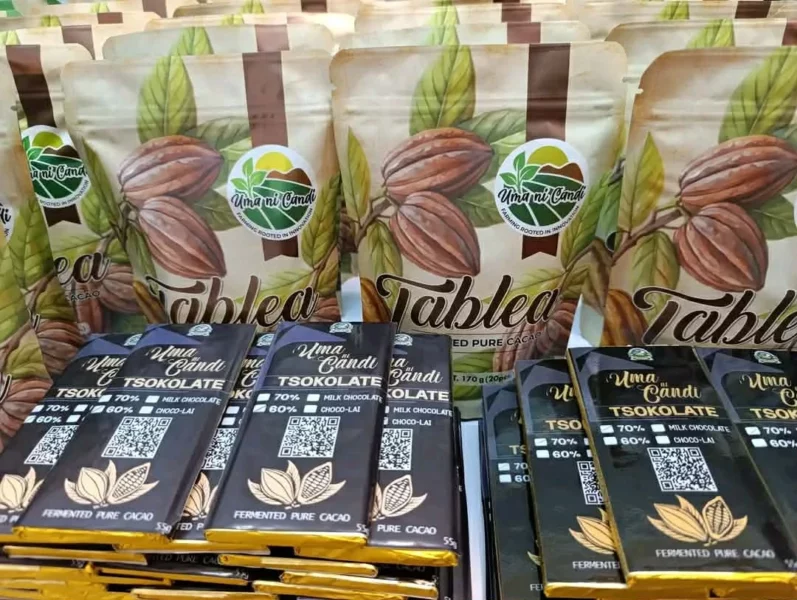
The space highlights its produce through products available for purchase, including cacao-based goods, fresh chocolate, and pastries made from ingredients grown on-site. This creates a simple yet meaningful farm-to-table experience. Through this, the space not only showcases its harvest but also allows guests to better understand the value of local and sustainable agriculture.

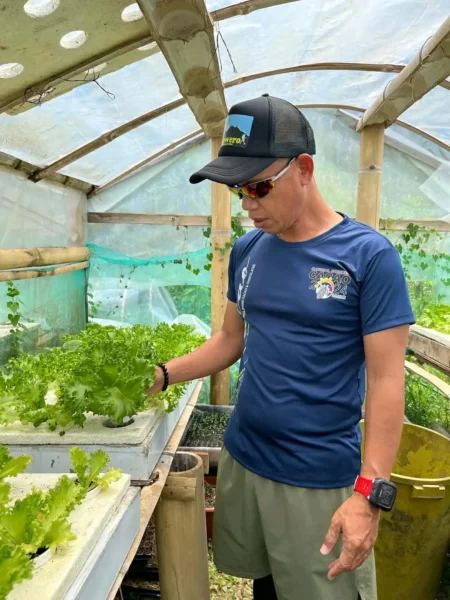
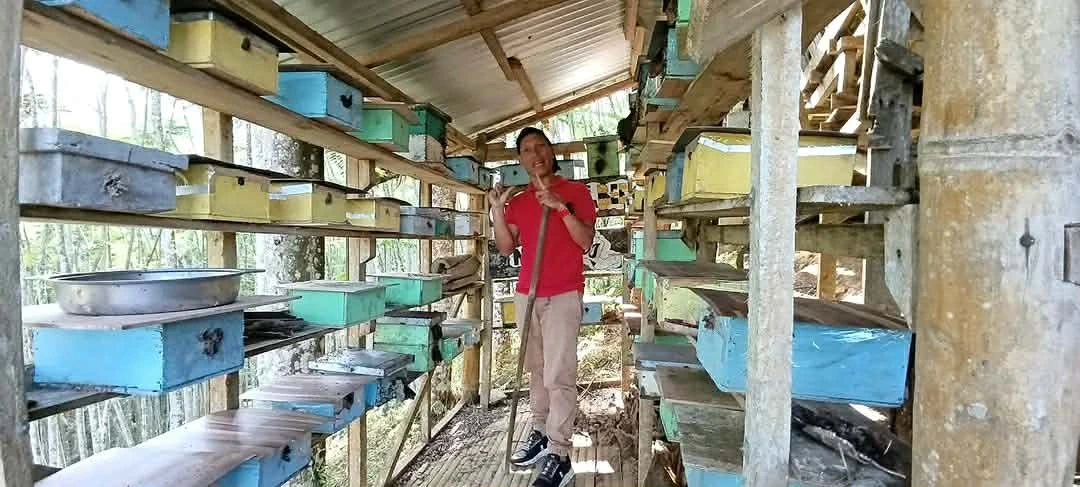
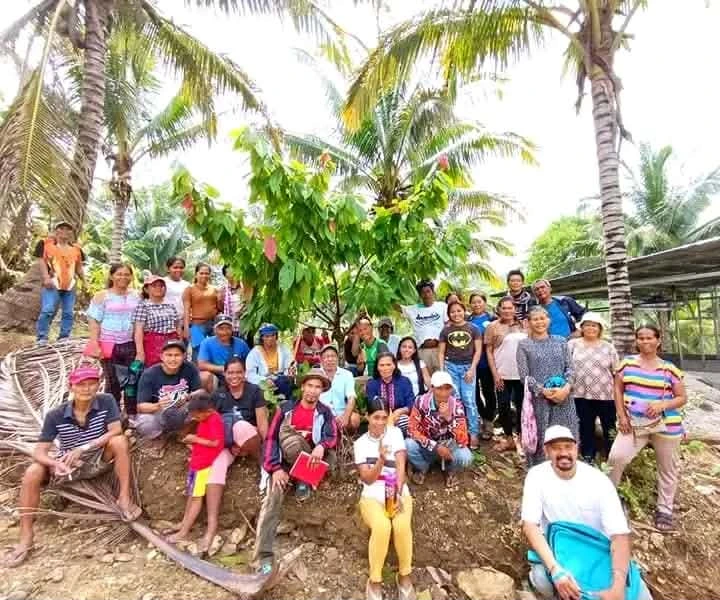
Beyond its crops, the area functions as a learning space. Visitors are not limited to sightseeing; instead, they are guided through a walk around the site, moving along narrow paths while a guide shares insights about cacao trees, banana plants, coconut areas, and even a small bee farm. At certain stops, visitors pause, listen, and ask questions, turning the walk into an interactive experience rather than a simple tour. This is followed by a short learning session that discusses diversified cropping systems and how these crops are grown and managed. Through these activities, guests gain a clearer understanding of how the area operates and how diversified farming is practiced.
This focus on learning has also positioned Uma ni Candi as a recognized training ground for agriculture. It is acknowledged by the Agricultural Training Institute (ATI) as a Learning Site for Agriculture and serves as a School for Practical Agriculture (SPA). Because of this, the space regularly welcomes farmers, students, and curious visitors who want to deepen their understanding of sustainable farming practices.
Uma ni Candi also maintains a close connection with the local community. It works with nearby residents, including members of the Higaonon Indigenous community, and provides opportunities related to livelihood. These partnerships show how the farm extends its impact beyond its land, supporting people who are part of its everyday environment.
The site follows a guiding framework called the NICE principle—No to monocropping, Innovation, Collaboration, and Extension. In practice, this means growing a variety of crops instead of relying on just one, experimenting with improved farming methods, working closely with farmers and learners, and sharing knowledge through training and outreach. Through this approach, the destination promotes diversified farming, community learning, and more sustainable agricultural practices.
For visitors, access to the space is available through prior booking, with an entrance fee of 100 pesos per person. It can be reached via private vehicles or local transportation from Malaybalay City proper. During visits, guests often spend time exploring the grounds, browsing locally made products, and interacting with staff, adding a more personal and relaxed dimension to the experience. In addition to its learning activities, the site sells its products, allowing visitors to take home items directly produced on-site.
More than a destination, Uma ni Candi represents a growing movement in Mindanao, particularly in Bukidnon, where agriculture remains central to both livelihood and learning. It shows how a simple farming space can evolve into a place of shared knowledge, local enterprise, and meaningful visitor experience. Its model highlights how farms in the region can serve not only as sources of produce, but also as spaces for education, skills development, and community engagement.
In Bukidnon, where agriculture remains a major source of livelihood for many rural communities, Uma ni Candi shows that farming grows not only crops, but also livelihoods, community ties, and appreciation for the land.