Habagat, Inday: Is Your Family Ready?
As Typhoon Inday continues to enhance the southwest monsoon or Habagat, families are urged to prepare for heavy rains, flooding, and landslides that may affect several parts of the country in the coming days.
While the typhoon is no longer expected to make landfall, its effects are still being felt through stronger monsoon rains.
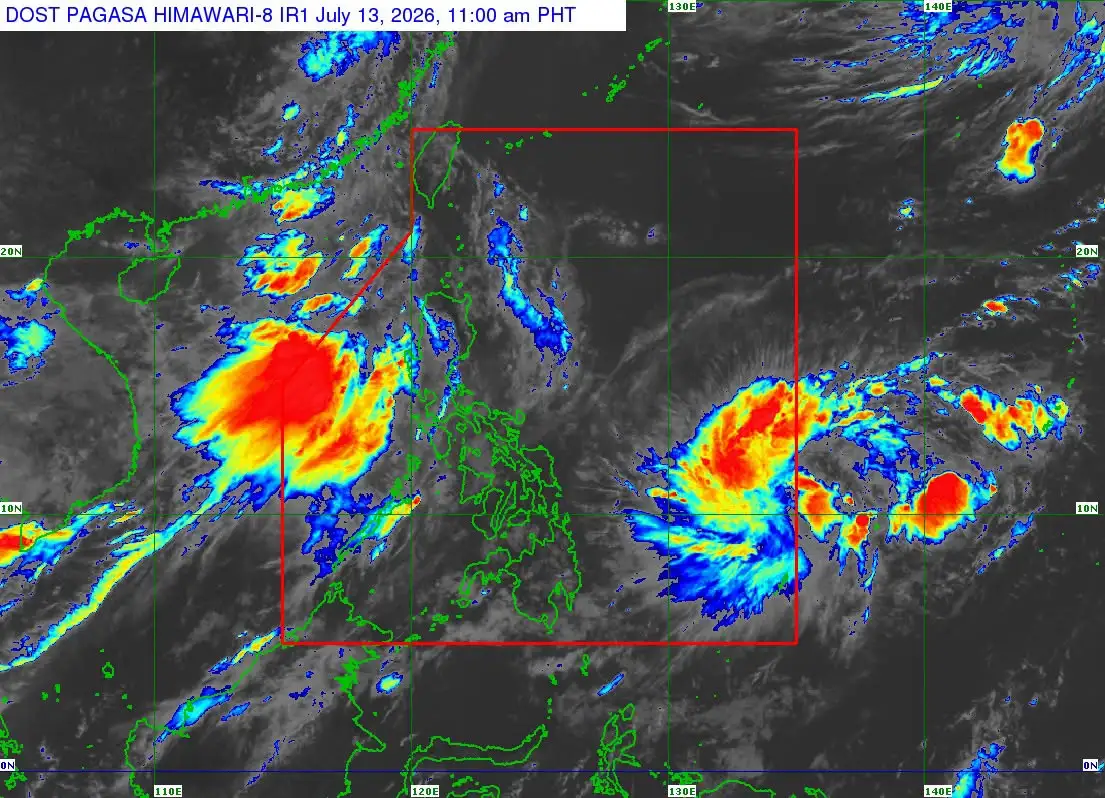
According to the Philippine Atmospheric, Geophysical and Astronomical Services Administration (PAGASA), Typhoon Inday weakened to 175 kilometers per hour as of its 5 a.m. bulletin on July 9.
The weather bureau expects the cyclone to leave the Philippine Area of Responsibility by July 11, but said it will continue to enhance the Habagat, bringing occasional to frequent rains over western Luzon and parts of the Visayas, and scattered rains in Mindanao.
With flooding and landslides still possible, the National Disaster Risk Reduction and Management Council (NDRRMC) is urging households to prepare before conditions worsen.
What your family should do now
Know your risk. Check if your home is in a flood- or landslide-prone area using hazard maps or ask your barangay.
Plan where to go. Know your nearest evacuation center and the safest route.
Practice as a family. Assign who will carry the go-bag, switch off electricity and gas, and assist children, seniors, or persons with disabilities.
Stay connected. Save emergency hotlines, fully charge phones and power banks, and keep a battery-powered radio.
Pack a 72-hour go-bag
Prepare a 72-hour go-bag for every family member with enough supplies to last at least three days. Include at least three liters of drinking water per person each day, ready-to-eat food, a manual can opener, a first-aid kit, maintenance medicines, a flashlight with extra batteries, a whistle, cash in small bills, important documents sealed in a waterproof pouch, a hygiene kit, a blanket, rain gear, and sturdy shoes.
During heavy rains
Monitor PAGASA weather bulletins and official disaster advisories.
Evacuate immediately if local authorities issue an evacuation order.
Turn off electricity and gas if floodwaters threaten your home.
The Department of Health (DOH) has also placed its operations under Code White Alert as Typhoon Inday continues to affect the country.
Health officials also warned residents to watch out for W.I.L.D. illnesses during the rainy season—waterborne diseases, influenza, leptospirosis, and dengue. They also advised the public to avoid walking through floodwaters whenever possible to reduce the risk of infection.
If you must, wear boots or closed shoes, wash thoroughly afterward, disinfect your surroundings, remove stagnant water where mosquitoes breed, and wash your hands frequently.
The Philippines experiences about 20 tropical cyclones each year, with around eight to nine causing significant impacts.
Preparing before the rains intensify can help keep your family safe and reduce the risk of injuries, illness, and property damage. In emergencies, contact your local disaster office or the National Emergency Hotline.