THE devastating sweep of Tropical Storm Kalmaegi across Southeast Asia is being seized by climate advocates as an urgent, real-time demand for decisive action from world leaders ahead of the COP30 Leaders’ Summit in Belém, Brazil.
The storm, locally known as Tino, has exacted a brutal toll, leaving 188 people dead and more than a hundred missing in the Philippines, one of the planet’s most climate-vulnerable nations.
Now under a state of emergency and bracing for a new super typhoon threat, the country’s plight is becoming a focal point for the critical climate talks. Tino also brought heavy rainfall and destruction to Vietnam.
Advocates demand a clear fossil fuel exit
As COP30 negotiations loom, groups like 350.org Asia are pressing global leaders to move beyond rhetoric and deliver a tangible plan to safeguard the Paris Agreement goals.
Frontline Asian communities — who, in the words of the group, are “forced to deal with the worst impacts of a crisis they did not create” — will accept “nothing less than a clear roadmap to rapidly and equitably phase out fossil fuels and triple renewable energy,” the advocacy group said in an emailed statement.
Norly Mercado, 350.org Asia regional director, delivered a forceful condemnation of the inaction.
“As leaders and billionaires think up more elaborate ways to extend the life of fossil fuels, more intense climate disasters take away lives, homes, and livelihoods in just a flash,” Mercado said.
Justice, Mercado pointed out, demands real action that will propel society towards a rapid and equitable transition to renewable energy.
“We need world leaders to rewrite the script: no more lies, no more excuses,” she added.
PH plagued by disasters, failed adaptations
The Philippines now endures frequent, punishing floods, fueled by intensified typhoons and monsoons. The crisis is compounded by consistently failed flood control systems, which advocates estimate have cost the government about a trillion pesos since 2023.
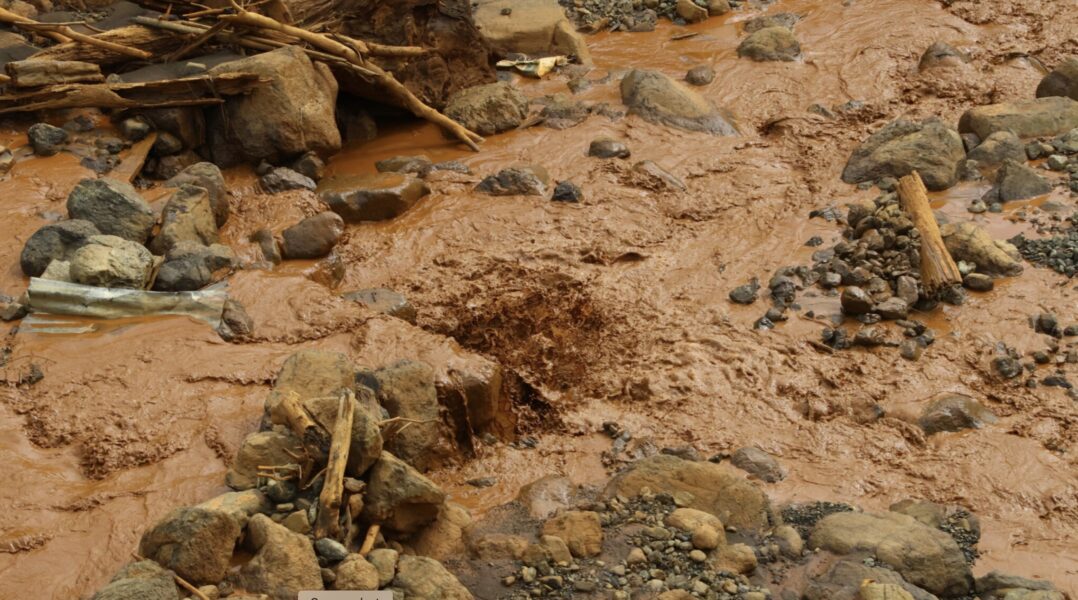
Typhoon Tino made landfall on November 4, triggering massive flooding in parts of the Visayas region, particularly in Cebu.
Already reeling from a magnitude 6.9 earthquake in September, the province suffered renewed devastation as raging floods swept away families, animals, and homes.
The storm’s impact affected nearly a million people. The widespread destruction added to pre-existing damage, with the province already suffering billions of pesos in infrastructure, fisheries, and agriculture losses from the recent earthquake.
Local activists argue that disasters, while natural, are intensified by “botched adaptation projects” and environmentally destructive human activities.
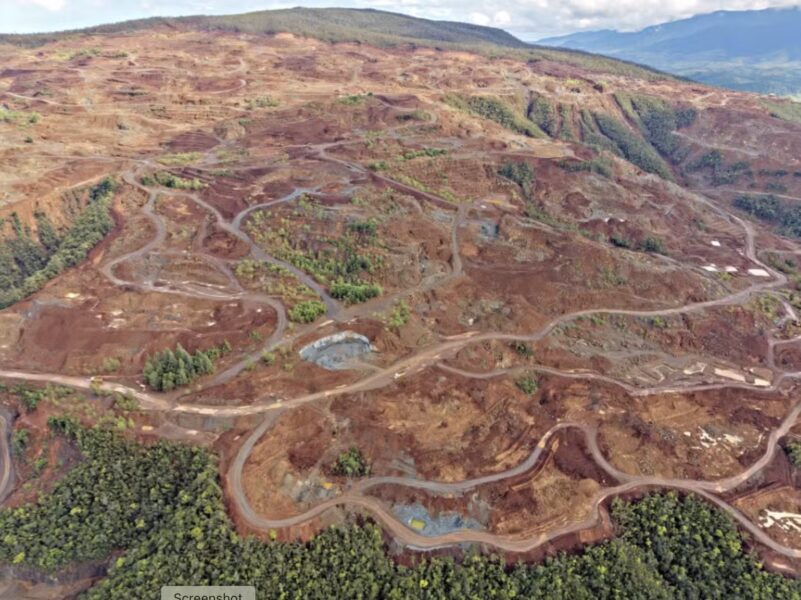
In Cebu, communities are burdened by coal-fired power plants, mangrove cutting, and ongoing illegal quarrying operations, despite local bans.
“In Toledo, it is either we inhale coal dust from the coal plant or we drown in the floods caused by quarrying and reclamation,” said Florencia Abatayo, from Dumlog Fisherfolk Association.
Advocates said they have repeatedly and insistently been raising alarms over these illegal and destructive activities, but the concerns have not been heard. Now, the community is flooded, and its people are dying.
Corruption, climate inaction scrutinized
Concerns are also mounting over the integrity of climate funding.
Ian Rivera, national coordinator of the Philippine Movement for Climate Justice (PMCJ), blasted the government’s flood control record.
“With how frequently we are affected by typhoons and storms, it is disgusting that, of all the adaptation programs, the government has grossly messed up on flood control,” he said, noting that over P26.7 billion was allocated to Cebu’s flood control projects since 2022.
What was witnessed this week, Rivera said, was that money was being washed away along with the lives of the poor brothers and sisters in Cebu.
Rivera warned that scandals, including the alleged pocketing of aid following Super Typhoon Yolanda, risk eroding international trust in the country’s ability to manage climate change funds.
The latest calamity adds urgency to a planned lawsuit by victims of 2023’s Typhoon Odette (Rai) against oil company Shell, seeking accountability for the climate crisis and the massive damage incurred in Cebu.
“The country has been shuddering from climate-induced disasters since the early 2000s, yet there is no solution coming from the government. This is another wake-up call for the people,” Rivera said.