By Reem Pandapatan,
MSU Intern
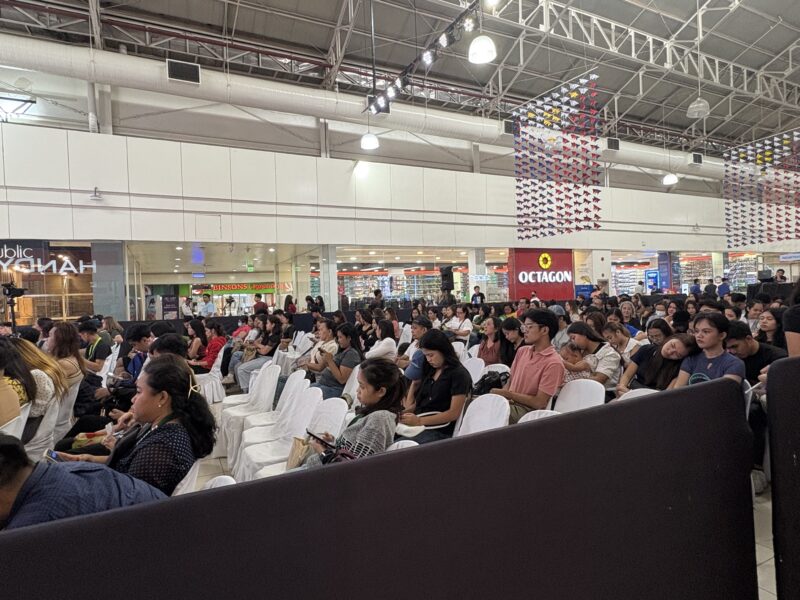
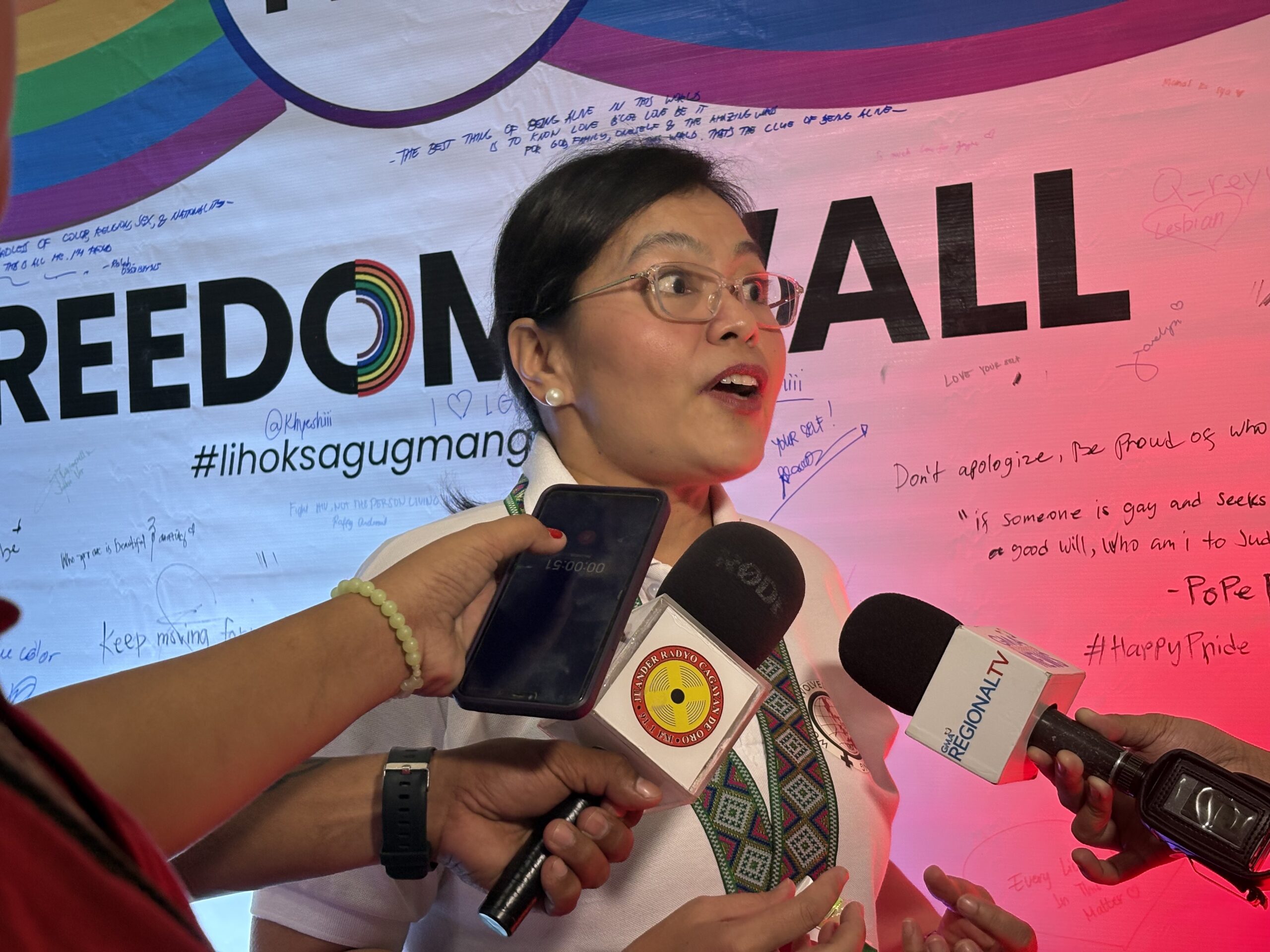
WITH vibrant colors, energetic performances, and powerful conversations, the city celebrated Pride Month 2025 through a two-day “Take Pride” event held June 20–21 at the 1L West Event Center, bringing together members of the LGBTQIA+ community, advocates, youth groups, and allies.
Organized by the city government through its Gender and Development (GAD) Office, the program featured opening remarks from government officials, live performances, and Pride talks.
“In a world filled with misinformation and stereotypes, we see you,” said Sol Masqueda, city GAD focal person.
She pointed out the city’s commitment to creating safe spaces and recognizing the contributions of the LGBTQIA+ community.
Despite the festive mood and bold city branding, the event drew criticism.
Local LGBTQIA+ organizations such as Kahilwayan and the CdeO LGBTQIA+ Federation publicly announced their non-participation.
In statements released beforehand, the groups said the city government had “hijacked” the original community-led Pride efforts, reducing what should be an advocacy-centered event into a spectacle.
“These spaces are not just about parades and performances. Pride is protest. It is visibility with purpose,” said one LGBTQIA+ advocate in an earlier online statement.
Some groups alleged a lack of genuine consultation between organizers and grassroots LGBTQIA+ leaders.

For them, Pride should not focus solely on rainbow-themed celebrations and pageantry, but also on pressing issues such as anti-discrimination policies, safe access to health and legal services, and community empowerment.
Despite the tension, attendees at Limketkai continued to participate in competitions, creative showcases, and other Pride-themed activities.
The second day of “Take Pride” is scheduled for June 21 and will feature the highlight of the celebration. A Mardi Gras parade is also set for June 28, with up to P130,000 in prizes.
While the event drew attention for its scale and production, the absence of long-standing LGBTQIA+ community leaders served as a reminder that inclusion must go beyond symbolism — it must be rooted in shared decision-making, consultation, and trust.
As Pride Month continues, the divide over “Take Pride” invites deeper reflection on how public institutions engage with the communities they aim to represent.