The recent drowning deaths of two university basketball players during an out-of-town training camp have intensified concerns over student safety and school accountability.
The tragedy has left families, coaches, and fellow athletes searching for answers, particularly regarding who is responsible for monitoring student-athletes once they leave campus for university-sanctioned activities.
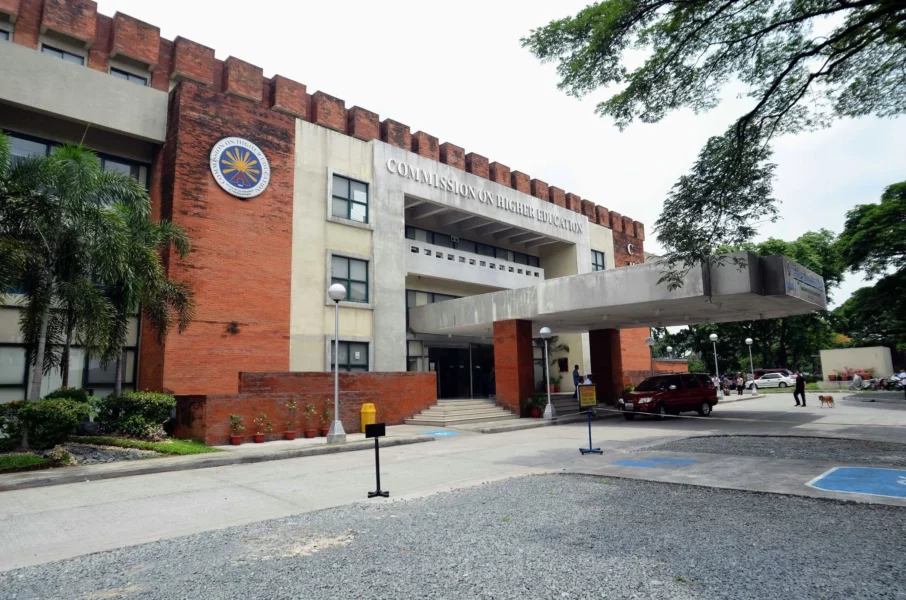
While authorities have not indicated whether any safety or travel violations occurred during the trip, the incident has drawn attention to the safeguards universities are required to provide under existing regulations. Under Commission on Higher Education (CHED) Memorandum Order No. 63, Series of 2017, parents have a legal right to know the safety arrangements for any university-sponsored athletic camp or off-campus activity.
Waivers do not remove school responsibility
Before participating in out-of-town activities, students and parents are commonly required to sign permission slips and liability waivers. However, legal experts emphasize that such documents do not absolve schools of their duty to ensure student safety.
Under CHED regulations, higher education institutions cannot waive or transfer their responsibility for the welfare of students participating in official activities.
When universities secure approval for off-campus programs, they formally assume responsibility for all participants.
If negligence is proven, liability waivers cannot prevent families from pursuing civil, criminal, or administrative remedies under Philippine law.
Medical support, supervision, and insurance
CHED guidelines require universities to establish adequate safety measures before conducting off-campus athletic activities.
Among the key requirements are the presence of trained medical personnel, including certified first-aid and emergency responders equipped with complete medical kits. Schools are likewise prohibited from bringing students to areas facing active security threats or public health risks.
Read also: Parents’ Guide to Ched rules on off-campus trainings
Universities must also provide sufficient adult supervision. While coaches play a central role, institutions are expected to maintain appropriate staff-to-student ratios based on the nature and risks of the activity.
In addition, all registered student-athletes must be covered by comprehensive accident and medical insurance that remains effective throughout their collegiate athletic participation and covers injuries or illnesses sustained during training and competition.
Safe travel and academic protection
National policies also impose standards for transportation and academic welfare.
Universities are required to use properly accredited transport providers.
Vehicles used for team travel must comply with safety regulations and possess the necessary authorizations from relevant government agencies, including the Land Transportation Franchising and Regulatory Board (LTFRB) and, where applicable, the Department of Tourism.
The policies further stress that student-athletes are students first. Schools must provide academic support mechanisms, including excused absences, study arrangements, and other measures that allow athletes to balance competition and education.
Parents can file complaints directly with CHED
The recent tragedy serves as a reminder that parents are not limited to seeking action through school officials or athletic associations when safety concerns arise.
Under CHED rules, parents, guardians, and authorized representatives may directly submit written complaints to the national CHED Fact-Finding Committee on Student-Athletes’ Complaints and Welfare if they believe a training camp or athletic activity poses risks to participants.
The policy also aims to protect families from possible retaliation, allowing concerns to be raised independently of local athletic organizations or university sports programs.
As universities continue to expand athletic programs and off-campus training activities, the tragedy underscores the importance of strict compliance with safety regulations and greater awareness among families of their rights and the protections afforded to student-athletes.