By Princess Haynee B. Pangcatan
MSU Intern
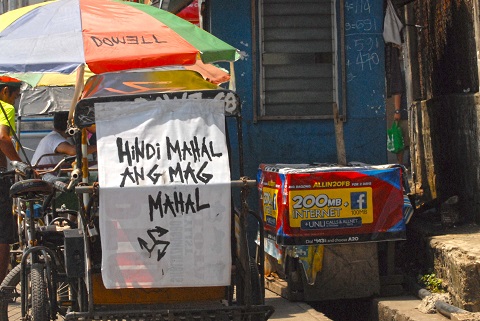
IN the inner streets of Cagayan de Oro, the squeak of pedals and the grind of metal wheels continue to echo through barangay roads.
These sounds belong to the city’s sikad drivers — men who pedal tricycles manually through narrow routes and tight alleyways, carrying passengers, groceries, schoolchildren, and hopes for another meal.
Despite their essential role in everyday community life, sikad drivers say they have long been left behind. From the pandemic to natural disasters, from city traffic to barangay fees, many of them feel unheard and unseen.
“Walay tabang. How many years ako nagdrive, walay tabang sa mga sikad drivers. Kahit ayuda, wala,” said Casanuden Dida-agun, a 60-year-old driver who has been sikad-driving in Balulang since 2004.
A Meranaw by background and a former mechanical engineering student who had to drop out in 1986, Casanuden started sikad driving to take his son to school.
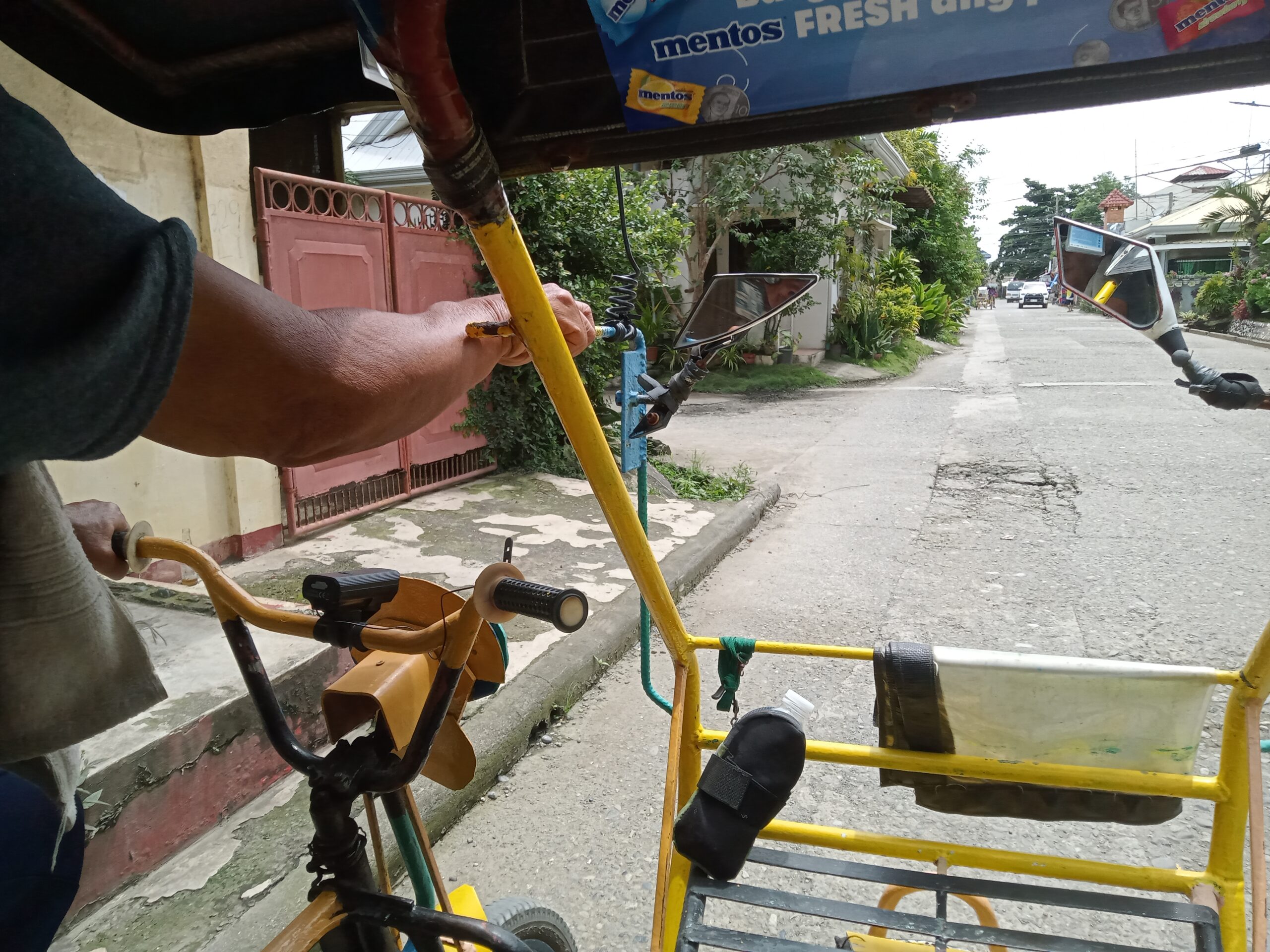
Two decades later, he’s still on the same path — pedaling through heat, rain, and exhaustion. He earns around p300 a day, sometimes less.
This is not even close to Cagayan de Oro’s minimum wage of P438, but it’s the only option he has. Driving sikad is the hardest. Pawis ka na, pasmado pa. If you drink cold water, matrangkaso dayon ka.”
Alger Salise, another sikad driver in the barangay, started during the height of the pandemic in 2020. “Mas okay pa to sa trabaho,” he said.
Like many, he chose this work after losing other options. On a good day, he earns P500. He starts pedaling at 6 am and returns home around 4 pm. There are no benefits, no health coverage, and no fixed rest days.
Every year, Alger also pays P300 to the barangay for a permit and ID, with no clear return in terms of support or protection.
Others share the same burden. Armando Sumayas and Michael Chua estimate their income at just P200 to P300 a day.
“Minsan di kami makabili ng bigas,” one of them said.

Meanwhile, Ronaldo Gamit Tisoy, who survived Typhoon Sendong, recalled that even in the worst moments, they were on their own.
“Kaming mga driver, na-igo mig Sendong. Maski congressman at kapitan, wala. Wala’y Akap sa mga sikad,” said Tisoy.
Even though their work is hard, and their income is not stable, they continue for one simple reason: their families. “Makakain lang po at makapag-aral ang kabataan,” Alger said, quietly. He has three children, all in school.
For many residents in the city, sikad drivers are still the quickest and most accessible transport within barangays, especially when it’s late at night or when streets are too tight for motor vehicles.
But for the drivers themselves, their place in the system is fragile. Despite being everywhere, they feel invisible.
In a city that continues to modernize, with roads expanding and transport changing, sikad drivers are asking not to be forgotten.
They don’t need charity. They need recognition and decent support from their government.