Navigating Blind Curves and Steep Grades
The recent tragedy in Tagoloan serves as a grim reminder of the dangers lurking on our winding provincial roads. Preliminary reports indicate the tanker lost its brakes—a common mechanical failure on steep descents that often leads to catastrophic results.
Whether you are driving a heavy truck or a private sedan, navigating the blind curves and elevation changes between Misamis Oriental and Bukidnon requires more than just driving skill; it requires mechanical sympathy and defensive tactics.
Here is a safety checklist to keep you and your passengers safe.
- The 'BLOWBAGETS' Check is Non-Negotiable Before any long trip, perform the standard check: Battery, Lights, Oil, Water, Brakes, Air, Gas, Engine, Tire, and Self. For mountain driving, pay special attention to Brake Fluid levels. If your fluid is low or dark, your brakes may overheat and fail during long descents.
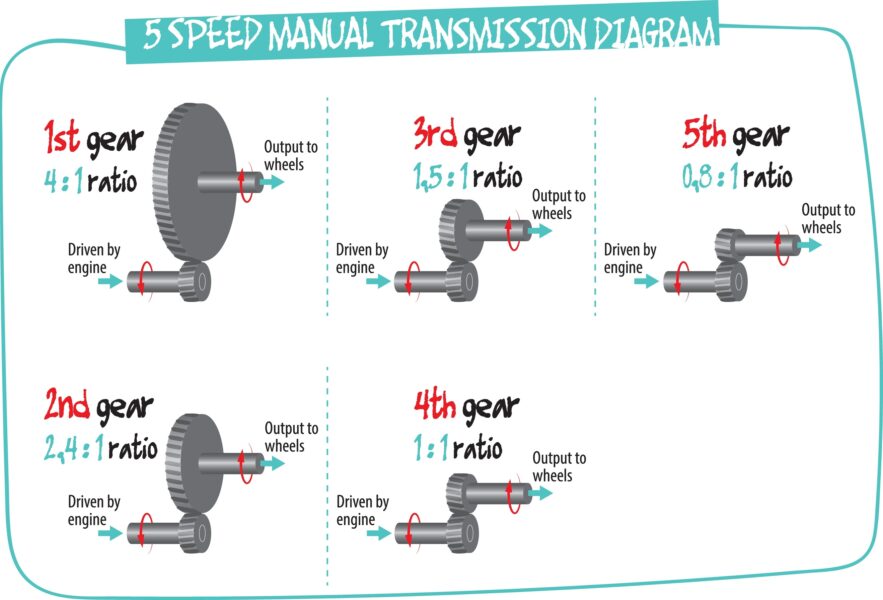
- Master the Art of Engine Braking Never ride your brakes down a long hill. Friction generates heat; too much heat causes "brake fade," rendering the pedal useless. instead, shift to a lower gear (L, 1, or 2 for automatics; downshift for manuals). Let the engine’s resistance slow the vehicle down. This saves your physical brakes for emergency stops.
- Attack Curves: Slow In, Fast Out The safest way to handle a curve is to brake before you enter the turn, not while you are in it.
Approach: Decelerate while the wheels are straight.
Turn: Coast through the apex of the curve.
Exit: Accelerate gently as you straighten out. Braking hard while turning destabilizes the vehicle and can cause you to skid into the opposite lane or off the road.
- Use Your Horn on Blind Spots In the Philippines, a short, double-tap on the horn is standard communication, not aggression. If you cannot see the exit of a curve (a "blind curve"), honk to alert oncoming traffic of your presence, especially on narrow barangay roads.
- Respect the Center Line On winding roads, it is tempting to "cut" the corner to maintain speed. Don't. Stay strictly within your lane. If a large truck is coming from the opposite direction, they may need extra space to swing wide. If you are cutting the corner, you leave yourself zero room for error.