IN Iligan City, books are doing more than just educating inmates — they are literally opening prison doors.
A groundbreaking program called "Read Your Way Out" (RYWO) has triggered a 2,014% increase in inmates qualifying for sentence reductions, transforming the facility’s approach to rehabilitation.
The success of the Iligan City Jail–Male Dormitory (ICJMD) took center stage at the Philippine Librarians’ Association Inc. (PLAI) Annual Congress in Bacolod City on Nov. 25, where jail staff presented their data to a national audience.
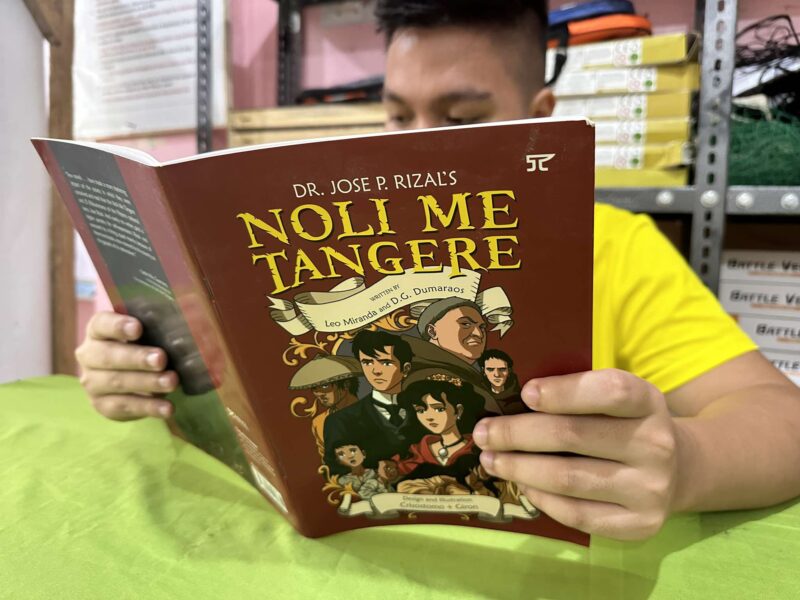
A lifeline of literacy
The presentation, led by Welfare and Development Section Chief Jail Officer 3 Walter W. Mainit Jr. and Unit Paralegal Officer Jail Officer 3 Gerard Vouz P. Tagaro, detailed how reading has become a vital lifeline for Persons Deprived of Liberty (PDL).
Launched in May 2024 in partnership with the United Nations Office on Drugs and Crime and the National Library of the Philippines, the program allows inmates to earn sentence reductions through structured reading.
This is formally recognized under the "Time Allowance for Studying, Teaching, and Mentoring" provision of Philippine law.
Drastic results
The impact on custodial education has been immediate and massive.
Before the RYWO program, the jail saw an average of only seven inmates qualifying for sentence reductions per month. Since the program's introduction, that figure has soared to 148 PDL per month.
The results are tangible freedom:
Between May 2024 and April 2025, 24 PDL secured their release using credits earned through reading.
In the months that followed, 38 more walked free.
Dozens more are currently awaiting release.
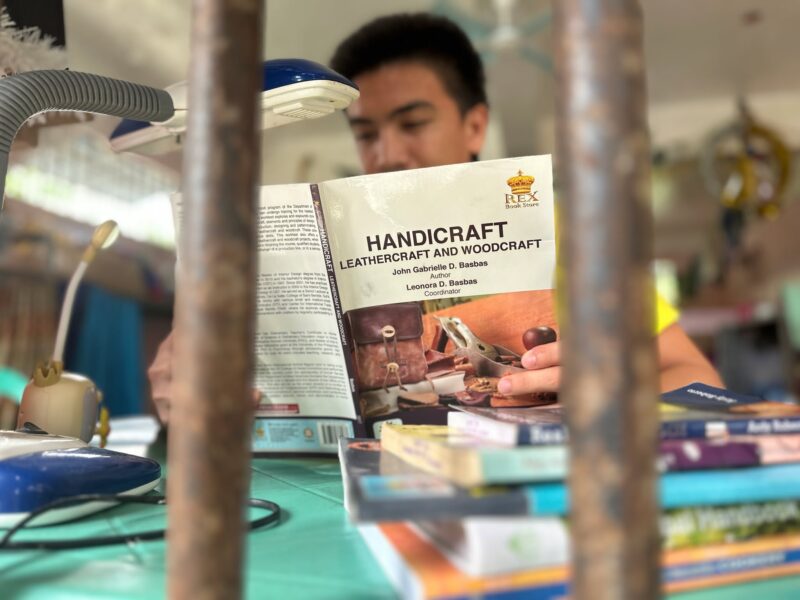
Reclaiming futures
City Jail Warden Jail Chief Inspector Carmelo A. Corsame highlighted the program as evidence of what empathy and education can accomplish.
“Our PDL are reclaiming their futures,” Corsame said.
For the Iligan facility, the congress served as an opportunity to demonstrate that rehabilitation can be rooted in dignity.
As the librarians looked on, it became clear that the RYWO story has grown beyond the jail walls — it is now a national example of how literacy can transform lives and restore hope.