When heavy rains arrive, many Filipino families notice the same problem at the market: vegetables cost more, fish become scarce, and the week's grocery budget no longer stretches as far.
While this happens almost every rainy season, understanding why prices increase can help households make better spending decisions.
Why food gets more expensive
The rainy season disrupts the food supply long before products reach the market.
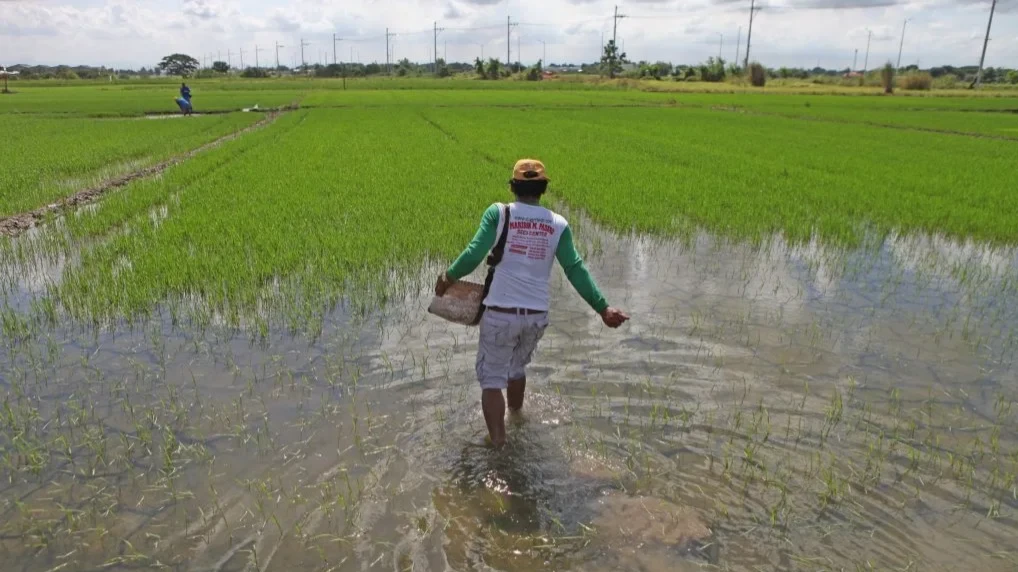
Heavy rains and flooding damage vegetable farms, while rough seas prevent many fishermen from going out to catch fish.
With fewer products available but demand remaining steady, prices naturally rise.
The challenge remains evident in 2025.
The Department of Agriculture (DA) reported that successive weather disturbances drove up the prices of vegetables and fish, contributing to faster inflation in August.
In a Philippine News Agency report, DA spokesperson Assistant Secretary Arnel de Mesa said flooded farms reduced vegetable harvests, while rough seas disrupted fishing activities.
He added that higher freight costs, fuel prices, and fluctuations in the peso-dollar exchange rate also contribute to higher food prices, particularly for imported products.
Why it matters to your family
Rising food prices affect everyone, but they hit low-income households the hardest because food takes up the biggest share of their monthly budget.
According to the Philippine Statistics Authority's 2023 Family Income and Expenditure Survey, poorer Filipino families spend a larger portion of their income on food than on any other necessity.
When the prices of rice, vegetables, fish, or meat increase, families often have little choice but to buy less, switch to cheaper alternatives, or postpone other essential expenses.
How you can stretch your grocery budget
While families cannot stop the rain, they can reduce its impact on their finances by making practical shopping choices.
The Department of Trade and Industry (DTI) advises consumers to compare prices before buying, avoid panic buying, and purchase only what they need.
Choosing seasonal fruits and vegetables, planning meals ahead, buying from public markets where prices may be more competitive, and watching for lower-cost substitutes can also help households keep grocery expenses under control.
The bottom line
Rainy weather does more than disrupt daily travel—it also affects farms, fishing, transportation, and ultimately the prices families pay for food.
Knowing why prices increase allows consumers to plan ahead, adjust their budgets, and make informed purchasing decisions until weather conditions improve.