THE Philippines has been recognized as a global leader in the fight against human trafficking, even as it confronts new and evolving threats, including a rise in online sexual exploitation and forced criminality.
The country has maintained its Tier 1 status from the U.S. government for fully complying with requirements in the fight against human trafficking, a distinction U.S. Ambassador to the Philippines MaryKay Carlson highlighted as a testament to the nation’s efforts.
“This heinous crime knows no borders,” Carlson said, citing a bipartisan law, the Take it Down Act, signed by President Donald Trump to combat online child sexual exploitation.
The primary body leading the charge here in the Philippines is the Inter-Agency Council Against Trafficking (IACAT), established in 2003.
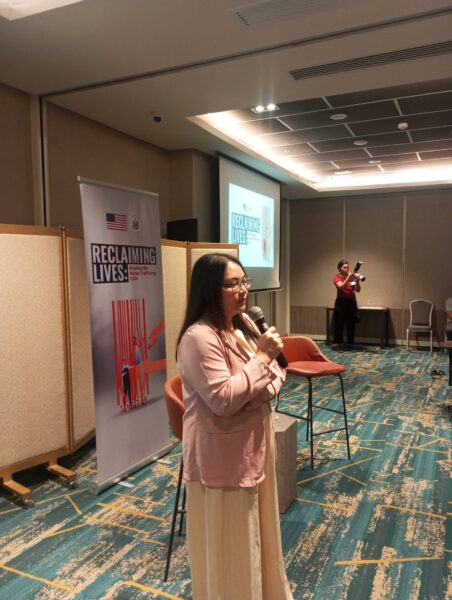
According to IACAT Executive Director Atty. Hannah Lizette Manalili, the council takes a multi-pronged approach that includes prevention, prosecution, and victim support.
New threats, new victims
IACAT identifies its main “enemies” as transnational organized crime groups. The council focuses on vulnerable populations, including women, children, and Overseas Filipino Workers (OFWs).
Based on incident reports, the top three emerging trends in trafficking in the Philippines are the online sexual exploitation of children / child sexual abuse material (OSAEC-CSAEM), which is the most prevalent form of human trafficking in the country; online-facilitated trafficking in persons (TIP), which includes victims forced into working in online scam hubs; and cross-border trafficking.
Trafficking for forced criminality is a growing issue. Victims are now typically young (18-35), tech-savvy, multilingual, and educated, recruited through online job postings on platforms like Facebook, Telegram, and WhatsApp. Scam hubs often operate from residential areas, rental properties, and hotels, disguised as legitimate Business Process Outsourcing (BPO) companies.
Challenges and strategic actions
IACAT faces significant challenges, including the complexity of these criminal networks and difficulties in identifying victims.
Another major hurdle is the involvement of public officials in facilitating these criminal activities. The council has already filed administrative and criminal cases against corrupt officials from various government agencies.
To address these challenges, the Inter-Agency Council Against Trafficking (IACAT) is implementing a four-pronged approach based on its National Action Plan. The strategy focuses on prevention and advocacy through effective and inclusive awareness campaigns.
It also emphasizes protection and reintegration by providing high-quality support services for victims. For a stronger legal response, the plan calls for enhanced prosecution and law enforcement, including empowering victims at all levels. Finally, IACAT is working on improving partnership and networking with local, regional, and international allies.
“Regardless of ranking (Tier 1), we have to stop human trafficking,” Manalili said, emphasizing a “whole-of-nation approach” to leverage strong community ties and regional best practices.