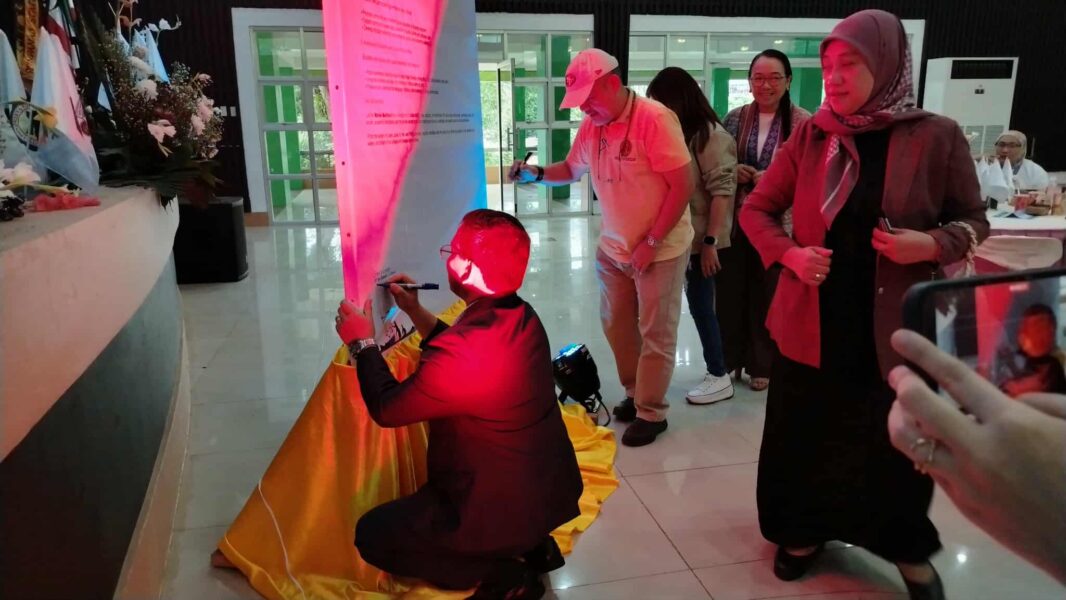
MARAWI City — Efforts to strengthen and sustain small-scale fisheries in the Philippines took center stage this week as Too Big To Ignore (TBTI) Philippines and the University of the Philippines Visayas led the second national symposium on the sector at Mindanao State University’s main campus.
The three-day gathering brought together experts, fisherfolk and advocates from across the country to address climate change, illegal fishing, pollution and overfishing — issues they say threaten both ecosystems and livelihoods.
“This consortium, composed of around 50 state universities and colleges, aims to support small-scale fisheries and sustain them for the long term,” said Glen Lorenzo, vice president for research and extension at Mindanao State University.
He said the symposium helps bring together stakeholders — from fishers to scientists — to identify key challenges and develop science-based solutions.
A key concern raised was the condition of Lake Lanao in Lanao del Sur. While water quality remains generally healthy, researchers warned that several native fish species have already disappeared.
“We are studying how to restore these species and understand the causes of their extinction,” Lorenzo said.
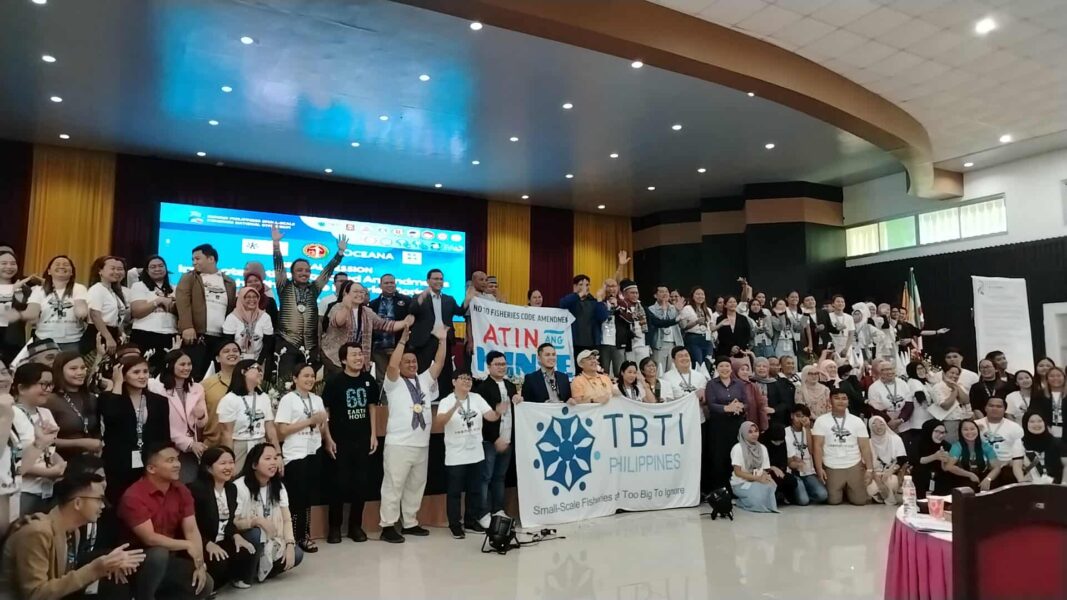
Participants also debated legal and policy proposals, including Senate Bill 432, which would amend the fisheries code to allow commercial vessels into municipal waters. Environmental groups and coastal communities oppose the move.
“Small fishers are deeply concerned. How can they compete with large commercial vessels equipped with advanced technology?” said Danny Ocampo, senior campaign manager at Oceana Philippines.
Indigenous fishers, including representatives of the Tagbanwa Kalamyan Tribe from Palawan, said the proposal threatens their food security and cultural heritage.
UP Visayas executive director Alice Joan Ferrer said the symposium’s theme — “From Recognition to Action” — reflects the need for concrete protections after decades of calls from marginalized fishing communities.
The event drew representatives from the Bureau of Fisheries and Aquatic Resources, the Department of Science and Technology, the UN Food and Agriculture Organization and civil society groups. Batangas State University is set to host the next symposium in 2026.
Experts and fisher groups closed the meeting with a shared message: protecting coastal and inland waters is essential to safeguarding livelihoods for future generations.