WASTE collection remains a challenge for the city as the population grows, but officials say the solution starts in the kitchen.
“Where does garbage start? It’s in the kitchen, because that’s where people cook and prepare meals,” said Marlon L. Tabac, president of the League of Barangays. “It’s human behavior too.”
Elvisa Mabelin, acting department manager of the City Local Environment and Natural Resources Office (Clenro), noted that in 2014, the city generated roughly 0.676 kilograms of waste per person daily. Over a decade later, the volume has become overwhelming.
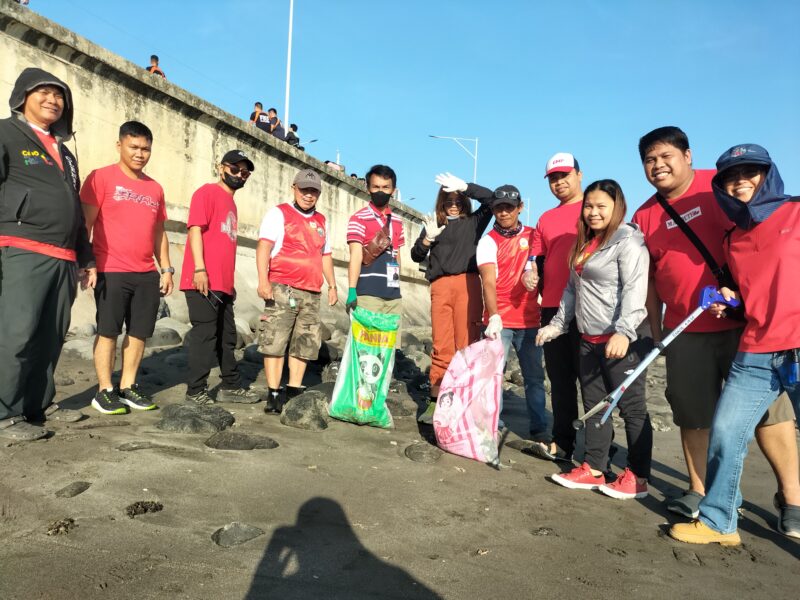
To combat this, Clenro outlined four practical steps for households to comply with Republic Act 9003 and reduce the city’s load:
- Label your bins: Segregate at the source Republic Act 9003 mandates that all households segregate waste into four categories: biodegradable, recyclable, non-recyclable, and special waste. Segregation at the source reduces the volume sent to disposal facilities. Homeowners should set up labeled bins and educate family members on the differences between compostable food scraps, recyclable plastics and paper, residual waste, and hazardous items like batteries.
- Reduce and reuse materials: Waste prevention is the core principle of the law. Families are encouraged to minimize single-use plastics, choose reusable containers, and repair items instead of discarding them. Simple habits — such as bringing eco-bags, avoiding excessive packaging, and repurposing jars — align with the city’s strategy for volume reduction through lifestyle shifts.
- Recycle and participate in local programs: Households can support recycling by cleaning and storing materials such as metal cans, glass bottles, and rigid plastics. Residents should check if their barangay operates a materials recovery facility (MRF). Consistent participation in segregation and community clean-ups strengthens these local environmental campaigns.
- Properly dispose of residual and special waste: Items that cannot be composted, reused, or recycled — such as sanitary waste — must be securely contained and disposed of according to barangay collection schedules. Special waste, including electronics (e-waste) and household chemicals, must be taken to designated drop-off sites to prevent environmental contamination.
By following these guidelines, residents can avoid penalties for littering and open dumping while contributing to a cleaner, more resilient community.