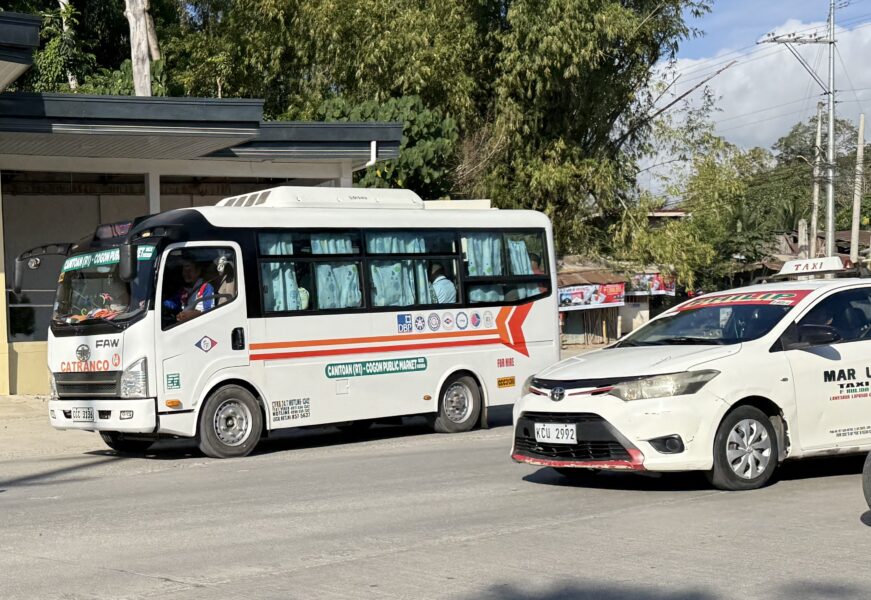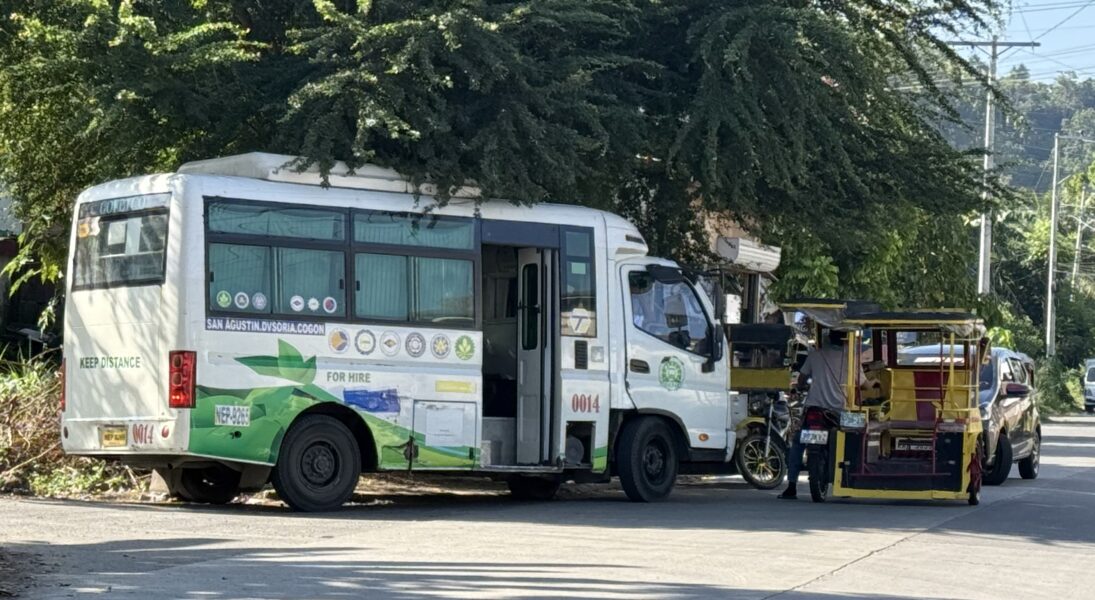
CAGAYAN DE ORO ― A citywide strike called by a federation of transport cooperatives here fizzled out Monday as gaps in public transportation were quickly filled by three-wheeled rickshaws known as “bao-bao,” motorcycle taxis or “habal-habal,” and multicabs.
Benedicto ‘Doy’ Ramiro, administrative officer of the Cagayan de Oro Roads and Traffic Administration, said the strike initially affected the Macabalan–Cogon route, but the gap was quickly filled by multi-cabs and vehicles deployed by the local government.
Ramiro said five schools and universities asked students to stay home in anticipation of the strike called by the Northern Mindanao Federation of Transport Service Cooperatives.
The schools — Xavier University, Phinma Cagayan de Oro College, University of Science and Technology of Southern Philippines, Liceo de Cagayan University, and Lourdes College — shifted to online classes to ensure student safety.
He added that the absence of students reduced the number of commuters affected.
“It was easy to fill the gap with non-striking transport cooperatives and vehicles fielded by the local government,” Ramiro said.
He noted that no single mode of transport dominates public mobility in the city.
“We have motorcycle taxis, multi-cabs, taxis, and bao-bao. Many options are available for the riding public,” he said.
Luzviminda Escobidal, president of the Northern Mindanao Federation of Transport Service Cooperatives, had called for the strike to press the government for fuel subsidies and fare hikes, citing losses of up to P80,000 a day per cooperative as diesel prices exceed P100 per liter.
Ramiro said only a few cooperatives joined the strike, noting that major groups such as the United Transport Cooperative and Trafeco Transport Cooperative did not participate.
Abigail Malalis, a director of the Canitoan Transportation Cooperative (CATRANCO), which operates 11 buses and six multi-cabs plying the Canitoan–Silver Creek–Cogon route, said they also chose to continue operations.
“We have sworn to uphold public service when we formed a transport cooperative. We will continue to serve even if our profit margin is getting thinner,” Malalis said.