WITH 45-day losses estimated to reach P15 billion, Cagayan de Oro City would likely remain under the stricter modified enhanced community quarantine (MECQ) classification unless Malacañang lifts its order.
Today is the last day of the extended MECQ in the city that saw a runaway outbreak of Covid-19 starting in May, prompting President Rodrigo Duterte to impose the government's second strictest set of quarantine measures in the Northern Mindanao city from June 1 to June 15.
But with the Covid-19 cases still surging, Duterte extended the 15-day MECQ order twice, first on June 15 and then on June 30.
Local officials have been waiting for the Palace to announce the city’s quarantine status since Wednesday, but there was none as of this posting.
Cagayan de Oro officials said the MECQ measures will remain until Duterte or the Inter-Agency Task Force for the Management of Emerging Infectious Diseases (IATF) says otherwise, despite the pronounced downtrend in the number of documented daily infections in the city this month.
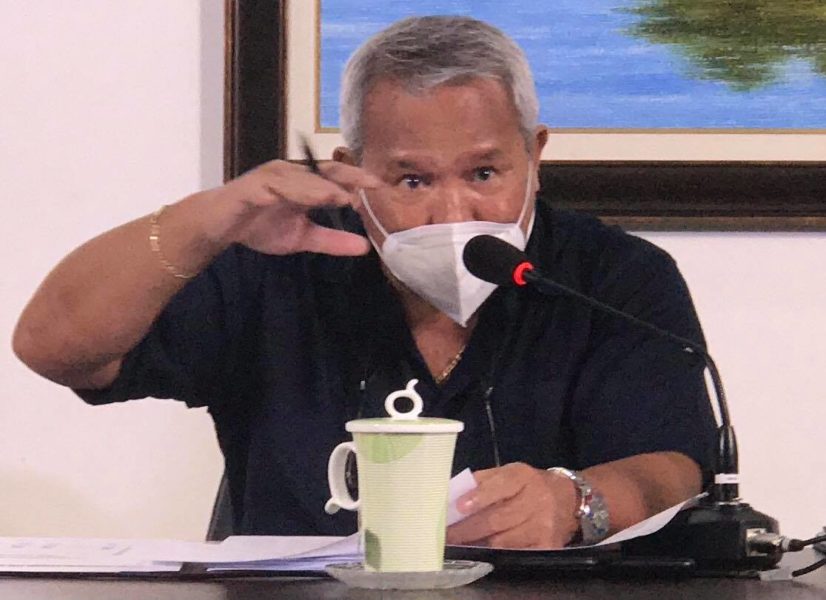
“I will not make any move to lower our quarantine status. We'll take whatever it is that the IATF will deem fit,” Mayor Oscar Moreno said. “We still need to sustain the gains we have achieved. It's not good to rush. Sustainability is key.”
The price Cagayan de Oro has paid so far to bring its epidemic outbreak curve to a near plateau has been high, said Councilor George Goking who chairs the City Council’s trade and commerce committee.
Goking estimated the city’s economic losses in the last 45 days to reach a whopping P15 billion.
However, the National Economic Development Authority (Neda) in Northern Mindanao placed the city's losses during the first 15 days of the MECQ from P2.6 billion to P3.9 billion.
But Goking said the Neda estimates were very conservative, and his committee was convinced the city has been losing as much as P5 billion every 15 days under the MECQ classification.
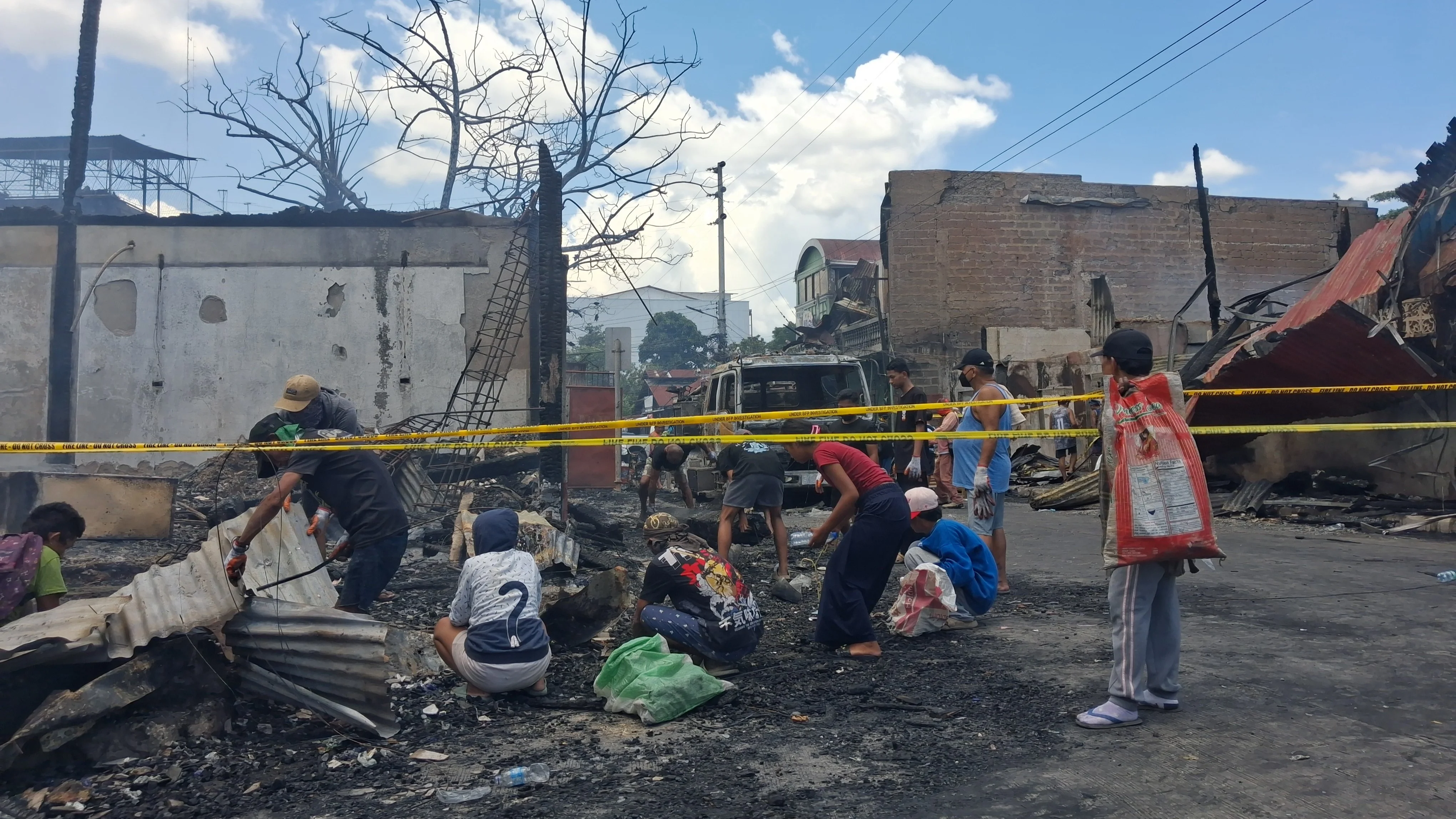
“Commercial establishments around the city temporarily closed their doors, and many others chose to shut down for good since the first day of the MECQ,” Goking said.
He said the Palace and the IATF should consider Cagayan de Oro’s economic losses before it decides to extend or lift the MECQ order.
Goking said another consideration should be the unemployment rate in the city that has continued to steadily rise since the start of the pandemic last year.
He cited Neda data that showed that the city’s unemployment rate significantly rose from 3.3% in January 2020 to 11.1% in April 2020, about a month after the city first imposed quarantine measures due to the Covid-19 threat.
Goking said the city’s unemployment rate rose again by 7.1% this January while underemployment increased by 25% during the same month.
“Just imagine how the MECQ hurt our workers since June. More people are either jobless or are underemployed in the city like never before,” he said. “All I am saying is that these factors should be weighed before they make a decision.”
Moreno said Cagayan de Oro’s economy has proven to be resilient, and public health cannot take the backseat.
“Our economic losses can easily be recouped as we strengthen our public health situation,” Moreno said. (Herbie Gomez)